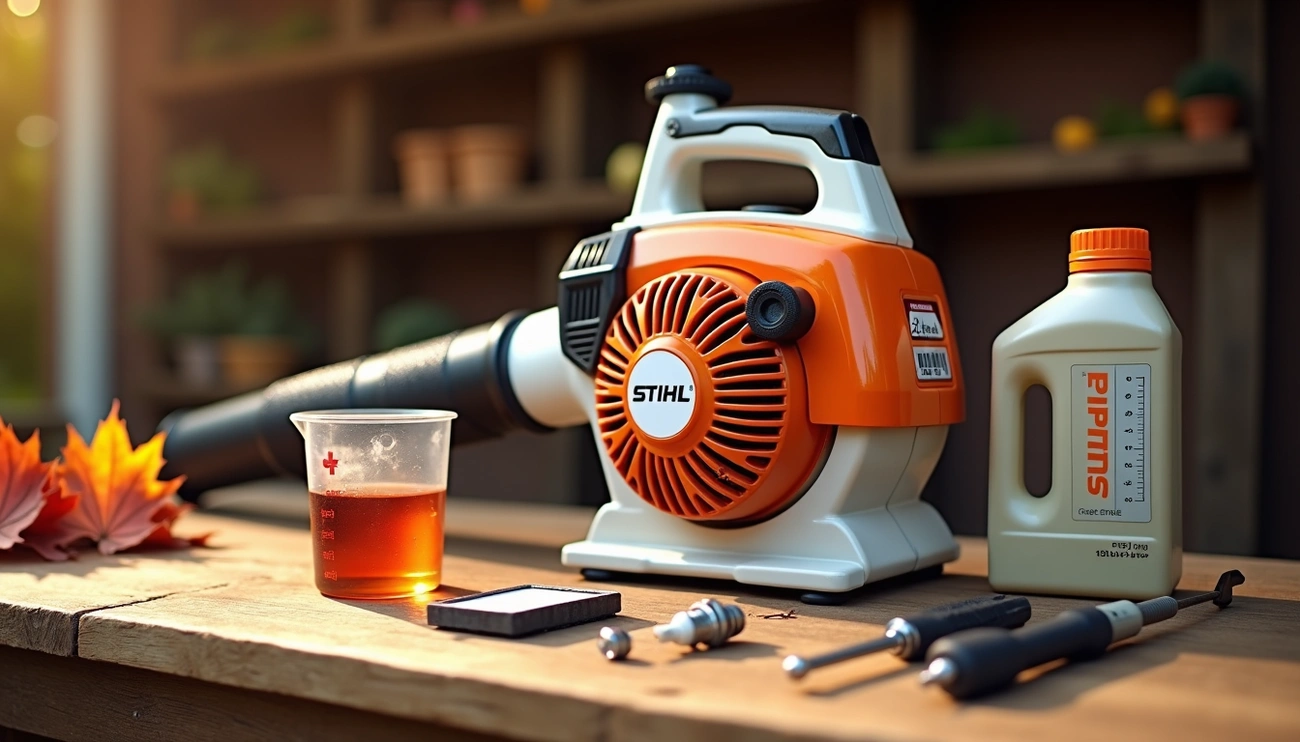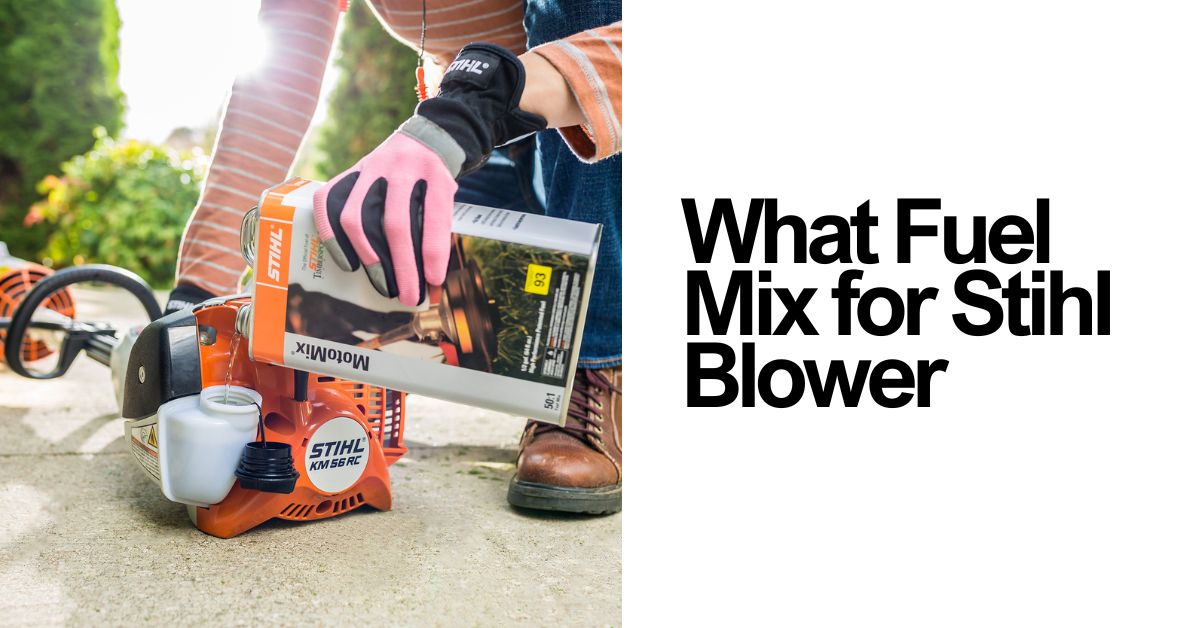
The correct fuel mix for a Stihl blower is 50:1, meaning 50 parts gasoline to 1 part 2-stroke oil. Use premium, ethanol-free gasoline with high-quality oil like Stihl HP Ultra. This equals 20 ml of oil per 1 liter of fuel and prevents engine damage. Up to 10% ethanol (E10) is acceptable if used within 30 days.
Why the Right Fuel Mix Matters for Your Stihl Blower
The proper fuel mixture serves as the lifeblood of your Stihl blower. Unlike four-stroke engines that have separate chambers for fuel and oil, two-stroke engines in Stihl blowers require a precise blend of gasoline and oil. Getting this mixture wrong isn’t just a minor inconvenience—it can have serious consequences.
Engine damage from the wrong mix
Running your Stihl blower with too little oil in the mixture is particularly devastating. Insufficient lubrication causes excessive friction between moving parts, ultimately leading to severe engine damage or catastrophic failure. Moreover, when internal components don’t receive adequate lubrication, they overheat rapidly and eventually seize.
Even running a blower for just a few minutes with unmixed gasoline can cause the engine to lock up completely. In one documented case, a user who mistakenly ran unmixed gasoline for only two minutes found their pull cord wouldn’t move more than an inch afterward. This type of damage typically requires disassembly and replacement of the piston, cylinder, and possibly other components.
Reduced performance and lifespan
Beyond immediate damage, incorrect fuel mixtures substantially reduce your blower’s performance and longevity. Insufficient lubrication and cooling cause operational problems that, over time, lead to:
- Piston seizure from overheating
- Excessive wear on engine components
- Formation of harmful deposits in the combustion chamber
- Adhesions and blockages in fuel nozzles and filters
The wrong mix can furthermore cause resinous “gum” to form when fuel evaporates during storage. This residue builds up throughout the fuel system, compromising performance and requiring professional cleaning.
Warranty implications
Perhaps you’re wondering if warranty coverage will save you from expensive repairs. Unfortunately, using incorrect fuel mixtures may void your Stihl warranty. Specifically, using fuel with more than 10% ethanol content can damage your equipment and invalidate your warranty.
Conversely, using Stihl’s recommended products actually extends your protection. The company offers extended warranty coverage when you use its HP Ultra Oil and MotoMix premixed fuel, acknowledging that these products help improve engine longevity. This double warranty program offers additional financial protection while ensuring optimal performance.
For maximum engine protection and warranty coverage, always follow Stihl’s precise recommendations regarding fuel mix ratios and oil quality.
Understanding the Stihl Oil Mix Ratio
Getting the correct fuel mix for your Stihl blower is essential for optimal performance and longevity. Let’s break down exactly what this means for your equipment and how to achieve the perfect blend.
What is the 50:1 ratio?
The 50:1 ratio represents the proportion of gasoline to oil in your fuel mixture. Essentially, this means 50 parts of gasoline mixed with 1 part of two-stroke engine oil. In practical terms, this translates to 20 ml of oil per litre of gasoline when using Stihl 2-stroke engine oil.
This precise balance ensures your Stihl blower receives adequate lubrication without excessive carbon buildup or smoke. Indeed, most Stihl gasoline-powered equipment manufactured after 2003 requires this 50:1 mixture, including the popular BR 400 blower model.
Using the Stihl oil mix ratio chart
For those who prefer not to calculate manually, Stihl provides a handy reference chart:
| 1 liter | 20 ml |
| 2 liters | 40 ml |
| 5 liters | 100 ml |
| 10 liters | 200 ml |
For US measurements, 1 gallon of gas requires 2.6 ounces of two-stroke oil to achieve the 50:1 ratio. Always double-check these measurements before mixing, as precision matters greatly.
Differences between Stihl and other 2-stroke oils
Stihl notably recommends their HP Ultra Engine Oil above other options. This oil is specially formulated to burn completely at your engine’s operating temperature, resulting in lower residue than semi-synthetic alternatives.
Consequently, whenever using non-Stihl oils, you must carefully check their specifications. Some older equipment manuals may suggest a 25:1 ratio for non-Stihl oils, though modern synthetic oils generally perform well at 50:1 regardless of brand.
Primarily, any two-stroke oil you use must have the TC classification to ensure proper performance. According to experienced users, quality matters much more than brand name, yet using inferior “gas station” oils often leads to premature engine wear despite their lower cost.
How to Mix Fuel for a Stihl Blower
Mixing the proper fuel for your Stihl blower isn’t complicated once you understand the process. Following these steps ensures your engine receives the correct 50:1 mixture it needs for optimal performance and longevity.
Choose the right container.
Always use an approved gasoline container when mixing fuel for your Stihl blower. The STIHL Fuel Mixing Bottle is specially designed for this purpose with its wide mouth and angled opening for easy pouring. Alternatively, a No-Spill® fuel container helps reduce spillage, evaporation, and permeation. Whatever container you choose, ensure it’s specifically rated for gasoline use—never repurpose household containers for fuel.
Use fresh, high-octane fuel.
For Stihl blowers, don’t skimp on fuel quality. Use mid-grade unleaded gasoline with a minimum octane rating of 89. Some professionals recommend 91 octane ethanol-free fuel for the best results. Lower octane ratings increase engine temperatures, increasing the risk of piston seizure and damage. Fresh fuel is crucial—stale gas is a common cause of performance issues in small engines.
Measure and pour oil first.
The correct procedure starts with adding oil to your container, then gasoline. For the standard 50:1 ratio, use 20ml of oil per litre of fuel. If you’re mixing a gallon, you’ll need 2.6 ounces of two-stroke oil. STIHL’s 100ml “one-shot” bottles are precisely calibrated to deliver 5 litres of gasoline, making the process foolproof.
Add fuel and shake well.
After adding the oil, pour in your measured gasoline. Seal the container tightly and shake it vigorously by hand to ensure thorough mixing. This step is essential—proper mixing distributes the oil evenly throughout the fuel for consistent lubrication in your engine.
Using Stihl premix fuel as an alternative
For those who prefer to skip the mixing process altogether, STIHL MotoMix® provides a convenient solution. This patented premixed fuel combines non-ethanol, high-octane fuel with premium STIHL HP Ultra Oil at the perfect 50:1 ratio. Beyond convenience, MotoMix offers extended shelf life—maintaining stability for up to two years after opening. As a bonus, purchasing MotoMix doubles your warranty coverage on STIHL equipment.
Storage and Safety Tips for Fuel Mix
Proper storage of your Stihl blower fuel mix is just as critical as mixing it correctly. Even perfectly mixed fuel can damage your equipment if it deteriorates over time. Let’s examine how to keep your fuel fresh and your blower running smoothly.
How long can you store mixed fuel?
I’ve found conflicting recommendations on the duration of fuel storage. Stihl officially suggests never exceeding three months of storage. In fact, for optimal engine protection, mixing only what you’ll use over the next few days is ideal. Nevertheless, some experts recommend an even shorter timeframe—no more than 30 days of storage. This discrepancy arises because fuel begins to decompose in as little as one month.
Signs your fuel has gone bad
Be vigilant for these indicators that your Stihl blower gas mix has deteriorated:
- The engine won’t start or struggles to maintain proper RPM.
- The primer bulb isn’t functioning correctly.
- Unusual odour in the gas tank
- Excessive smoke (primarily white) from exhaust
- Formation of resinous “gum” residue
Safe refuelling practices
Safety remains paramount when handling fuel for your Stihl leaf blower:
- Maintain at least 3 meters distance from any ignition source.
- Allow hot engines to cool completely before refuelling.
- Open fuel caps slowly to release pressure gradually.
- Refuel exclusively in well-ventilated areas.
- Change clothes immediately if fuel comes into contact with them.
Avoiding fuel separation
Fuel separation poses a serious threat, chiefly with ethanol-containing mixtures. Once separation occurs, the oil distribution becomes uneven, potentially leading to insufficient lubrication. To prevent this, I recommend:
- Shaking the mixture thoroughly before each use
- Choosing ethanol-free fuel whenever possible
- Storing in airtight containers to prevent moisture absorption
What to do if you used the wrong mix
Upon realizing you’ve used incorrect fuel in your Stihl blower, act swiftly:
- Turn off the engine immediately—even brief operation can cause damage.
- Use a funnel to empty the tank into a safe container.
- Refill with properly mixed fuel.
- If starting issues persist, clean the spark plug.
For extended storage, STIHL MotoMix® offers a superior alternative, maintaining stability for up to 2 years.
Conclusion
Proper fuel mixture stands as the most critical factor in maintaining your STIHL blower’s performance and longevity. Throughout this guide, we’ve seen how the recommended 50:1 ratio (20ml of oil per litre of gasoline) provides the perfect balance of lubrication and performance. This precise mixture certainly makes a significant difference in protecting your investment.
Mistakes with fuel mixing can damage your engine beyond repair. Therefore, taking the time to measure accurately and use high-quality ingredients pays off in extended equipment life. High-octane fuel (89 octane or higher) combined with TC-classified two-stroke oil creates the ideal mixture your Stihl blower needs.