Clean a Stihl leaf blower spark arrestor by removing the exhaust cover, taking out the retaining screw, and pulling out the wire mesh screen. Burn off carbon buildup with a torch until red-hot, brush it clean with a wire brush, or soak it in carb or oven cleaner. Reinstall the screen to restore airflow and performance.
Common Signs of a Clogged Spark Arrestor
The spark arrestor in your STIHL leaf blower plays a crucial role in preventing engine sparks from escaping while allowing exhaust gases to flow freely. Over time, this small screen can become clogged with carbon deposits and soot, leading to several noticeable performance issues. Recognizing these symptoms early can save you time, money, and frustration.
Blower bogs down or shuts off.
A telltale sign of a clogged spark arrestor is when your STIHL leaf blower initially runs normally, then begins to bog down or completely stalls while operating.
This happens because the clogged screen restricts the flow of exhaust gases, essentially choking your engine. Many users report their blowers running progressively worse during a single session. In severe cases, the blower may slow down steadily until it barely runs at all.
Additionally, if your blower seems to run for a few seconds before dying out, particularly after warming up to operating temperature, the spark arrestor screen might be completely plugged.
Loss of power or inconsistent revving
Another common indication is reduced blowing power and inconsistent engine performance. A restricted exhaust flow due to carbon buildup on the spark arrestor screen prevents exhaust gases from exiting properly, causing the engine to bog down or lose power under load.
You might notice your Stihl blower:
- No longer reaches full RPM even when fully throttled
- Runs roughly at lower RPMs, similar to how it might run when cold
- Maintains the same RPM with an unusual bogging sound when the throttle is pulled
- Requires increasing amounts of choke to keep running
Hard starting despite a new spark plug
If your previously reliable STIHL leaf blower has become increasingly difficult to start, especially after replacing the spark plug, fuel filter, or air filter, a clogged spark arrestor could be the culprit. Some owners report their blowers, which once started with one or two pulls, now require five minutes of continuous pulling before finally catching.
The starting difficulty occurs because the clogged arrestor creates back pressure in the exhaust system, making it harder for the engine to turn over and fire up properly. Therefore, if you’ve already replaced common starting-related parts without improvement, inspecting the spark arrestor should be your next step.
How to Access and Inspect the Spark Arrestor
Accessing your STIHL leaf blower spark arrestor requires some basic disassembly, although the process remains straightforward even for those with limited mechanical experience. Regular inspection of this component can prevent performance issues and extend your blower’s lifespan.
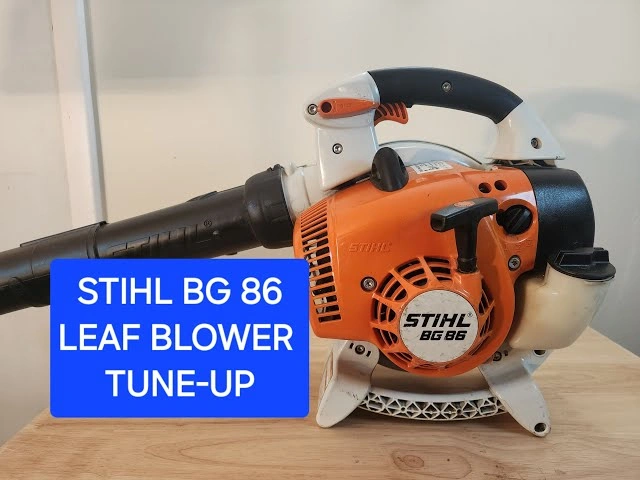
Locate the muffler and arrestor screen.
The spark arrestor screen on your STIHL leaf blower is typically located within or attached to the muffler assembly. This critical component is usually found on the side or front of the engine.
The muffler is the metal housing that covers the exhaust port—recognizable as a slightly protruding part of the engine with visible screws securing it in place. On most STIHL models, you’ll notice either a flat-screen or a closed-tube screen design behind the exhaust port.
Tools you’ll need: socket wrench, pliers
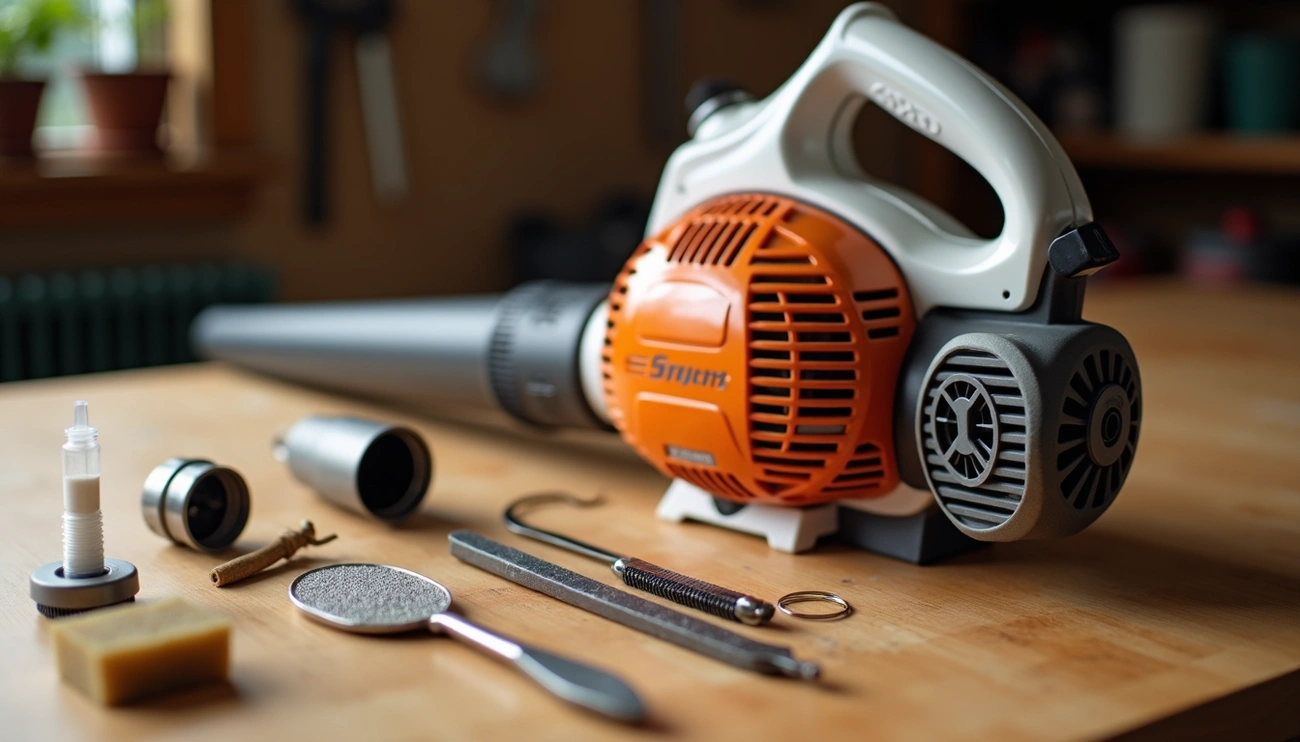
Before beginning, gather these essential tools:
- A T-27 Torx bit screwdriver (specifically required for most STIHL models)
- Needle-nose pliers to carefully extract the screen
- Socket wrench for models with different fastener types
- Work gloves to protect your hands from hot components or sharp edges
I’ve found that some older Stihl models may have plugs covering the actual fasteners, which need to be pried out first to reveal the Torx heads underneath. Moreover, ensure the engine has completely cooled before attempting any disassembly.
Visual signs of carbon buildup
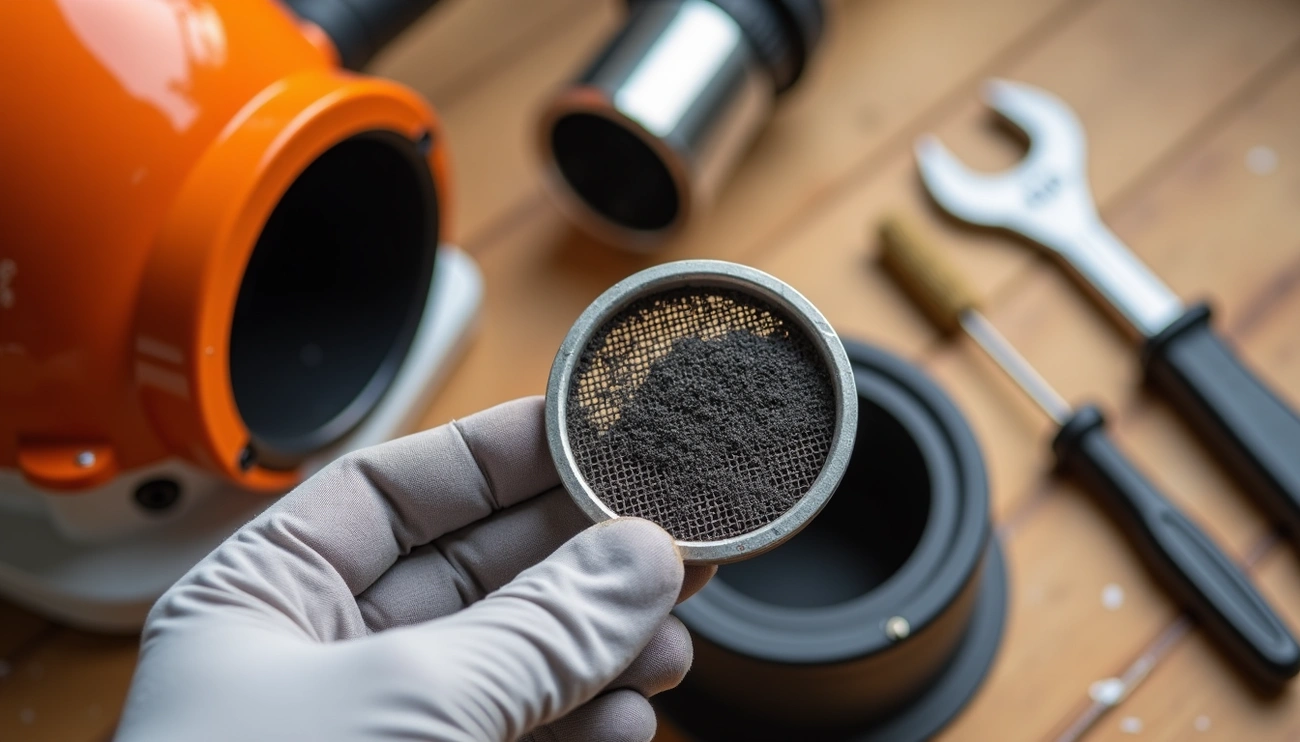
Once you access the spark arrestor screen, inspect it carefully for these telltale signs:
- Black or dark brown carbon deposits covering the mesh
- Visible blockage between the fine wire mesh openings
- Complete blockage that prevents you from seeing light through the screen
- A brown colour on the piston indicates high carbon and tar buildup.
Furthermore, check for physical damage, such as holes, cracks, or rust, that may warrant replacement rather than cleaning. A whitish powdery appearance on the muffler exterior suggests the unit has experienced severe overheating at some point, which might have damaged the spark arrestor beyond repair.
Steps to Remove and Clean the Spark Arrestor
Restoring your STIHL leaf blower’s performance starts with properly cleaning the spark arrestor. This straightforward maintenance task requires minimal tools yet offers significant performance improvements. Let’s tackle this process step-by-step.
Unscrew the muffler cover.
First, ensure the engine and muffler have completely cooled down to prevent burns. Turn the engine switch to the “off” position and disconnect the spark plug wire and boot for safety. On most STIHL models, you’ll need a T-27 Torx bit screwdriver to remove the mounting screws securing the engine cover. Once these screws are removed, carefully detach the cover to access the muffler assembly.
Remove the spark arrestor screen.
Locate the spark arrestor screen inside or attached to the muffler. It typically resembles a cone-shaped wire screen about the size of a spark plug. Depending on your Stihl model, you might need to remove additional screws securing the exhaust deflector and spark arrestor assembly. Gently extract the screen, noting its position for later reinstallation.
Clean with solvent and a wire brush
Inspect the screen for carbon buildup and debris. For light to moderate carbon deposits, soak the spark arrestor in carburetor cleaner for a few hours. Afterward, gently scrub with a wire brush to remove the loosened carbon, paying special attention to clean both the flat end and the cone-shaped body. For stubborn deposits, use compressed air to ensure all the mesh openings are clear.
Alternative: burn off carbon with a torch
For heavily clogged spark arrestors, a propane torch offers a faster, more effective cleaning method. Heat the screen until it just turns red, then remove the heat immediately. This controlled heating burns away carbon deposits without damaging the screen. Important: never overheat the screen, as this could damage it—just heat until it turns red, then let it cool naturally.
Reinstall the cleaned screen.
Once thoroughly cleaned and dried, reinstall the spark arrestor with the bevelled edge facing inward toward the muffler. Realign any guides or deflectors, then securely tighten all screws. Reinstall the engine cover and reattach the spark plug wire. Your STIHL leaf blower should now run significantly better with its clean spark arrestor.
When to Replace or Remove the Spark Arrestor
Keeping a careful eye on your spark arrestor’s condition over time helps maintain your STIHL leaf blower at peak performance. At times, however, regular maintenance isn’t enough.
When cleaning no longer helps.
After multiple cleaning cycles, your spark arrestor might become permanently compromised. Physical damage, such as holes, cracks, or rust, indicates that replacement is necessary, as these defects cannot be remedied by cleaning.
By the fourth cleaning, many users report that their screens become increasingly difficult to restore to proper condition. Consequently, if your blower continues to exhibit restricted airflow after thorough cleaning, the mesh structure has likely deteriorated beyond repair.
Risks of permanent removal
Some operators consider permanently removing the spark arrestor to avoid maintenance altogether. Nonetheless, this approach carries significant risks:
- Fire hazard: The screen exists primarily to prevent sparks from igniting dry surroundings
- Engine damage: Running without an arrestor often causes the engine to run lean, potentially damaging valves
- Performance issues: You might experience lean pops and flame-outs from time to time
- Legal concerns: Many areas legally require spark arrestors on outdoor power equipment
Choosing a replacement screen
OEM replacement parts remain the safest choice for your STIHL equipment. Above all, ensure compatibility with your specific model number, as different STIHL blowers require different arrestor screens. Consider keeping a spare arrestor on hand—this approach allows you to quickly swap screens when maintenance is needed. In reality, replacement screens are relatively inexpensive compared to potential engine repairs or fire damage costs.
Conclusion
Maintaining your STIHL leaf blower’s spark arrestor certainly makes a significant difference in performance and longevity. Regular inspection and cleaning of this small but crucial component can help prevent frustrating power issues and potential equipment damage.
Throughout this guide, we’ve seen how a clogged spark arrestor manifests as power loss, engine bogging, and difficult starting. Additionally, we’ve walked through the straightforward process of accessing, removing, and effectively cleaning this vital part using either solvents or a controlled torch method.
Remember that prevention works better than repair. Therefore, I recommend checking your spark arrestor after every 10-15 hours of operation, especially if you frequently work in dusty conditions. This simple maintenance routine takes only minutes but extends your blower’s life significantly.