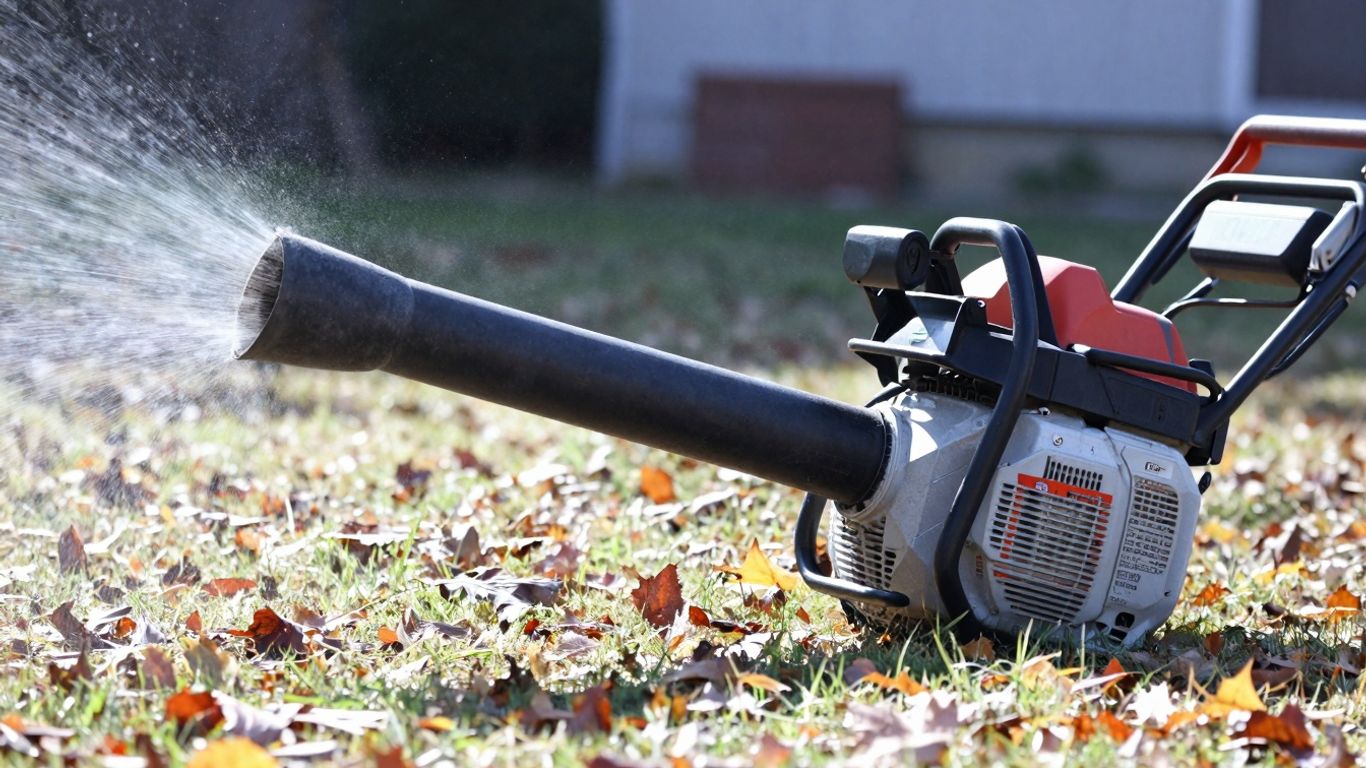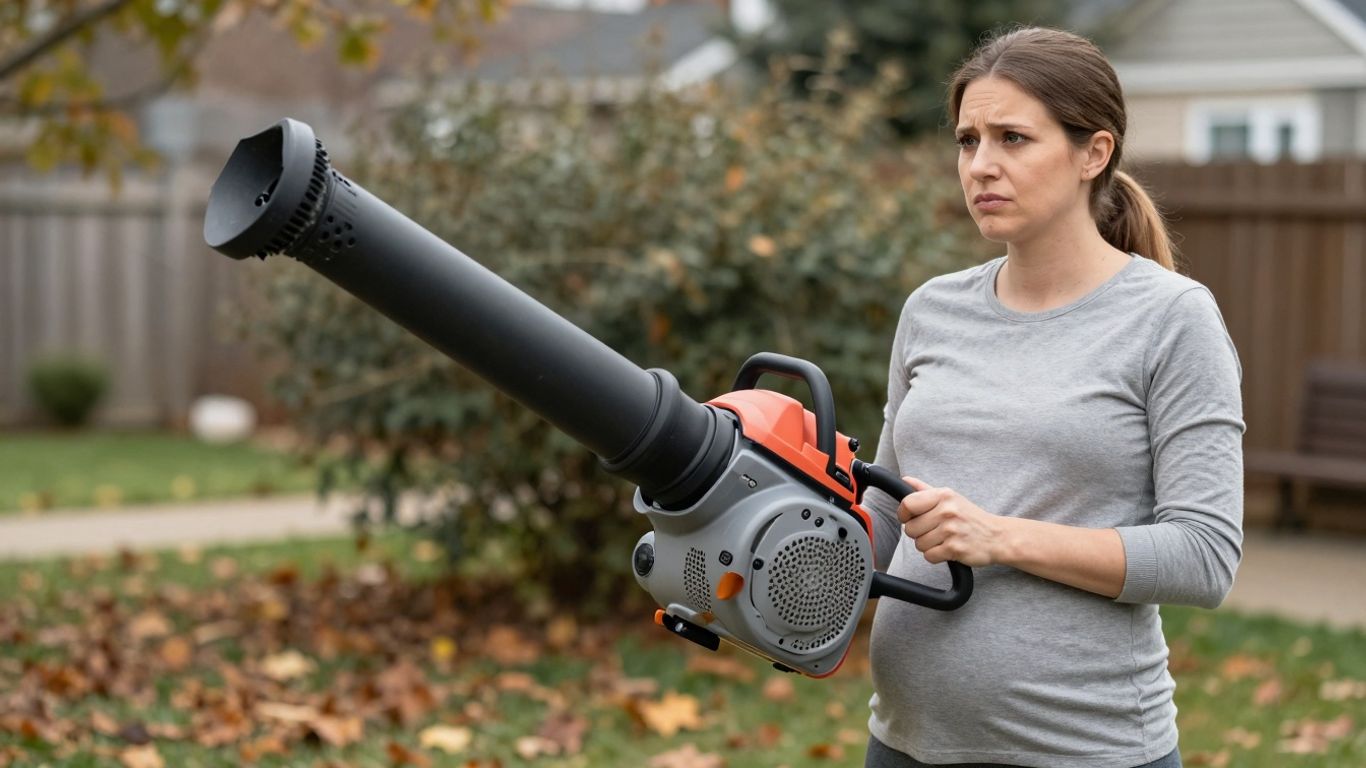
A pregnant woman should not use a leaf blower, especially gas-powered models. Leaf blowers produce high noise levels that can harm fetal hearing and emit pollutants like carbon monoxide, VOCs, and fine dust. These exposures increase risks of preterm birth, respiratory problems, and developmental issues, so safer alternatives like raking are recommended.
Key Takeaways
- Using a gas-powered leaf blower during pregnancy might expose you and your baby to exhaust fumes, which isn’t ideal.
- The loud noise from a leaf blower could potentially affect your baby’s developing hearing, though the exact risks are debated.
- The physical strain and vibrations from operating a leaf blower could cause discomfort or be too much for your body.
- Raking, using electric blowers, or hiring help are safer alternatives for yard cleanup when pregnant.
- Always talk to your doctor about any activities you’re unsure about during pregnancy.
Understanding Leaf Blower Risks During Pregnancy
So, you’re pregnant and wondering about that leaf blower sitting in the garage. It’s totally normal to pause and think about what’s safe when you’re expecting. Leaf blowers, especially gas-powered models, raise a few concerns worth looking into.
Potential Exposure to Exhaust Fumes
Gas-powered leaf blowers, like other small engines, release exhaust fumes. These fumes contain carbon monoxide and other pollutants. Breathing in these fumes regularly, especially in an enclosed or poorly ventilated space, isn’t ideal when you’re pregnant.
While a quick blast might not be a huge deal, prolonged exposure could be something to avoid. Think about it – you’re essentially breathing in what the machine is spitting out.
Some sources suggest that these fumes could potentially affect fetal development, though more research is always ongoing in this area. It’s one of those things where it’s better to be cautious.
Concerns About Noise Levels and Fetal Hearing
Leaf blowers are LOUD. We’re talking about noise levels of 100 decibels or more, which is pretty significant. A baby’s hearing starts to develop in the womb, and while they can’t hear perfectly clear sounds early on, they can perceive loud noises.
The general advice for protecting adult hearing is to avoid prolonged exposure to sounds over 85 decibels. While a fetus is protected by amniotic fluid, extremely loud or prolonged noise could potentially be a concern for their developing ears.
It’s not fully understood how much noise actually penetrates and affects the baby, but it’s a factor to consider, especially if you’re planning on using the blower for an extended period.
Vibrations and Physical Strain
Using a leaf blower, particularly a heavier backpack model, involves holding and maneuvering a vibrating machine. This can put a strain on your body, especially your back, arms, and core. As your pregnancy progresses, your center of gravity shifts, and your body releases hormones that loosen ligaments, making you more prone to muscle strain and joint pain.
The physical exertion and repetitive motions involved in operating a leaf blower might not be the most comfortable or safest activity during pregnancy. You might find yourself getting tired more quickly, and the vibrations themselves could be uncomfortable or even cause concern for some.
It’s easy to get caught up in finishing yard work, but your body is going through major changes right now. Listening to it and making choices that prioritize your well-being and your baby’s is the most important thing. Sometimes, that means rethinking how we tackle those outdoor chores.
Assessing the Safety of Using a Leaf Blower While Pregnant
So, you’re wondering if you can still tackle that pile of leaves with a leaf blower while you’re expecting? It’s a totally valid question, and honestly, there’s no simple yes-or-no answer that fits everyone. It really comes down to a few key factors and listening to your body.
When Can a Pregnant Woman Use a Leaf Blower?
Generally speaking, if you’re feeling up to it and take precautions, some women might use a leaf blower. However, it’s not a one-size-fits-all situation. The main concerns are noise, vibrations, and exhaust fumes, especially with gas-powered models. If you’re in the early stages of pregnancy, your baby’s hearing is still developing, and prolonged exposure to loud noises could be a worry. Plus, those fumes aren’t exactly the freshest air to breathe in.
Factors Influencing Safety Decisions
Several things play a role in whether using a leaf blower is a good idea for you:
- Type of Leaf Blower: Electric or battery-powered models are generally quieter and don’t produce exhaust fumes, making them a potentially safer choice than gas-powered ones. Gas blowers can emit carbon monoxide, which is a serious concern during pregnancy. If your gas blower has any safety alerts or the tank looks off, it’s best to stop immediately.
- Duration of Use: A quick five-minute job is different from an hour-long yard cleanup. Shorter periods of use might be less risky.
- Your Physical Condition: Are you feeling energetic or exhausted? Leaf blowing can be physically demanding, involving holding a heavy machine and dealing with vibrations. Pushing yourself too hard isn’t good for you or the baby.
- Noise Levels: Even quieter models can be loud. If you can’t comfortably hold a conversation over the noise, it’s likely too loud for your baby.
Consulting Your Healthcare Provider
This is the big one. Before you decide to fire up that leaf blower, it’s always best to have a chat with your doctor or midwife. They know your specific health situation and can give you personalized advice.
They might suggest alternatives or specific safety measures if they think it’s okay for you to use one. Don’t hesitate to ask them about any yard work you’re considering. They can also provide guidance on protecting yourself from environmental irritants.
Remember, your pregnancy is unique. What works for one person might not be ideal for another. Prioritizing your well-being and your baby’s health should always come first, including making informed decisions about activities like using a leaf blower.
Alternative Methods for Yard Cleanup
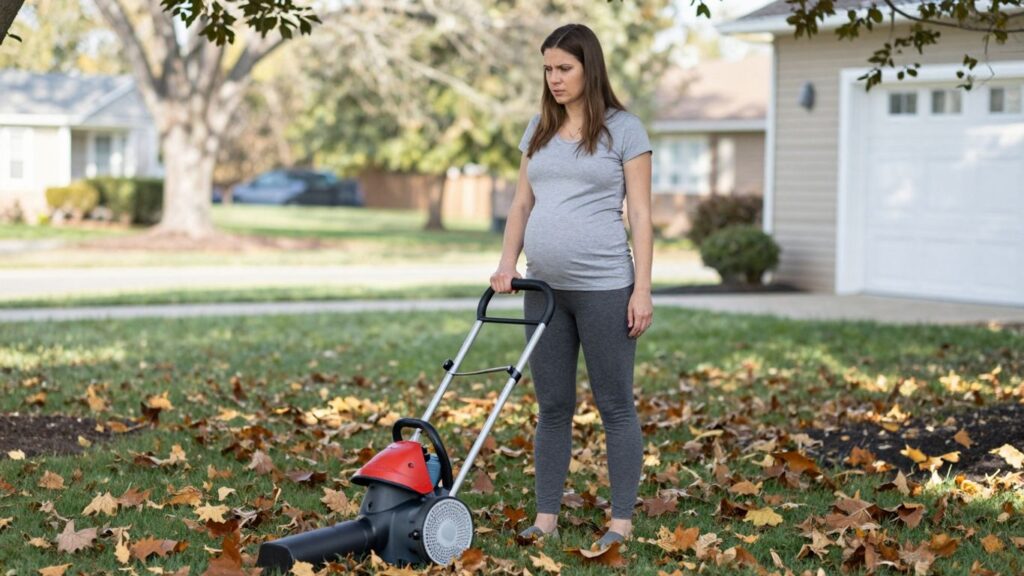
So, you’re pregnant and wondering about the leaf blower. It’s totally understandable to want to keep your yard tidy, but maybe that loud, fume-spewing machine isn’t the best fit right now. Luckily, there are other ways to get the job done without putting yourself or the baby at risk.
The Benefits of Manual Raking
Think back to the good old days before leaf blowers took over. Raking is a classic for a reason! It’s a great way to get some gentle exercise, and you can control the pace yourself. Plus, no noisy engine or exhaust fumes to worry about. It’s a win-win, really. You get your steps in, and your yard looks great. It’s a simple, effective, and pregnancy-friendly way to manage fallen leaves.
Exploring Electric or Battery-Powered Blowers
If you really love the idea of a blower but want to ditch the gas fumes, there are electric and battery-powered options. These are generally quieter and don’t produce the same kind of exhaust. They’re a good middle ground if you’re looking for a bit more power than a rake but want to avoid the downsides of gas models. Just be mindful of the noise level, even with these quieter versions.
Hiring Professional Yard Services
And hey, there’s absolutely no shame in calling in the pros! If you’ve got a big yard or just don’t have the energy, hiring a landscaping service is a fantastic option. They have all the equipment and the know-how to get your yard looking spick and span.
It takes the physical burden completely off your shoulders, giving you more time to rest and focus on your pregnancy. It might cost a bit, but peace of mind is priceless, right?
Sometimes, the best approach is to delegate. Don’t feel pressured to do everything yourself, especially when your body is going through so many changes. Accepting help or hiring services is a smart move for your well-being.
Protecting Yourself During Outdoor Tasks
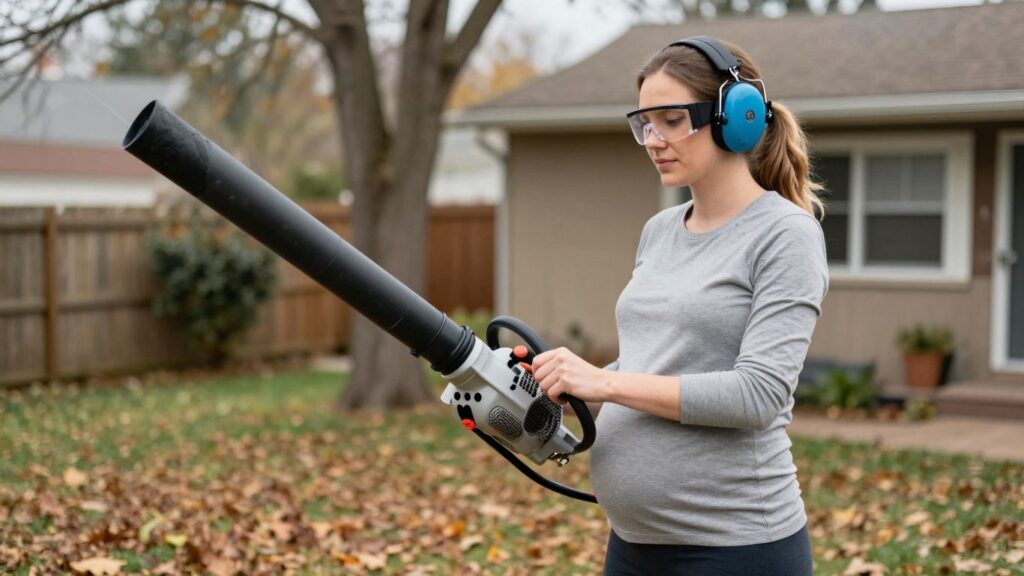
When you’re pregnant and heading outdoors for yard work, even simple tasks can feel a bit more challenging. It’s all about being smart and listening to your body. Taking the right precautions can make a big difference in how comfortable and safe you feel.
Importance of Protective Gear
Think of protective gear as your pregnancy-friendly outdoor uniform. It’s not just about looking the part; it’s about actual protection.
- Sun Protection: Always slather on sunscreen with a high SPF. Pregnant folks can be more sensitive to the sun, so reapplying is key, especially if you’re sweating. A wide-brimmed hat is a lifesaver for your face and neck, and don’t forget sunglasses for your eyes.
- Gloves: Wearing gloves is a good idea, not just for comfort but to create a barrier. This can help reduce contact with anything that may be lingering in the soil or on tools.
- Comfortable Clothing: Opt for lightweight, breathable fabrics. Long sleeves and pants can protect your skin from the sun and minor scrapes, but make sure they don’t make you overheat.
Managing Physical Exertion
Yard work can be surprisingly tiring, and pregnancy adds another layer to that. It’s important to pace yourself.
- Break it Down: Don’t try to tackle the whole yard in one go. Divide tasks into smaller, manageable chunks.
- Listen to Your Body: If you start feeling tired, dizzy, or uncomfortable, stop. Pushing yourself too hard isn’t good for you or the baby.
- Ask for Help: There’s absolutely no shame in asking a partner, friend, or family member to lend a hand, especially with heavier tasks.
Staying Hydrated and Taking Breaks
This one is super important, especially when you’re active outdoors.
- Water is Your Friend: Keep a water bottle handy and sip frequently. Dehydration can sneak up on you, and it’s best to avoid it.
- Schedule Breaks: Plan for regular breaks. Sit down, relax, and rehydrate. Even a few minutes can help you recharge.
Remember, every pregnancy is different. What feels right for one person might not feel right for another. The goal is to stay active and enjoy the outdoors safely, without putting unnecessary strain on your body.
Fetal Development and Environmental Factors
Baby’s Hearing Development Timeline
It’s pretty amazing how much a baby develops in the womb, and their hearing is one of those things that really gets going early on. Around 18 weeks, the inner ear structures are formed, and by 24 weeks, your baby can start to hear sounds from the outside world. These sounds get clearer as pregnancy progresses.
By the third trimester, your baby can likely distinguish your voice from others. This means loud, sudden noises, or even prolonged exposure to consistent noise, could potentially startle or affect them.
Impact of Fumes on Fetal Growth
When you’re using gas-powered equipment like a leaf blower, there are exhaust fumes. These fumes contain various chemicals. While the exposure from occasional use might be minimal, it’s worth being mindful of.
Some studies suggest that prolonged exposure to certain environmental pollutants may affect fetal development, though ongoing research is ongoing. It’s generally advised to minimize exposure to these kinds of fumes when pregnant.
Understanding Environmental Irritants
Beyond the fumes, consider other environmental factors. Dust and debris kicked up by a leaf blower can become airborne. While you’re wearing protective gear, some of these particles could still be inhaled.
Also, consider the general stress on your body from physical exertion and noise. Pregnancy is a time when your body is already working overtime, so adding unnecessary strain isn’t ideal. It’s all about finding that balance between getting tasks done and prioritizing your well-being and your baby’s.
The womb is a sensitive environment, and while babies are resilient, it makes sense to be cautious about introducing potential irritants. Thinking about what you’re exposed to, even for short periods, is a good practice during pregnancy.
So, What’s the Verdict?
Alright, so we’ve looked at the whole leaf blower situation during pregnancy. It seems like the biggest worries boil down to the noise and those gas fumes, especially with the backpack models. While a quick blast might be okay, spending a long time with one strapped to your back is probably best avoided.
Many moms find that sticking to simpler tools like rakes or asking for help with the noisy stuff is the way to go. Remember, your body is doing amazing things right now, so listen to it and chat with your doctor if you’re ever unsure about any activity. There are plenty of ways to get the yard work done without putting yourself or the baby at unnecessary risk.
Frequently Asked Questions
Is it safe to use a gas-powered leaf blower while pregnant?
Gas-powered leaf blowers can release exhaust fumes, which aren’t ideal to breathe in when you’re pregnant. Some people worry these fumes could affect the baby. It’s generally recommended to avoid or limit exposure to these fumes. If you must use one, do so for very short periods in a well-ventilated area, or better yet, have someone else handle it.
What about the noise from a leaf blower and my baby’s hearing?
A leaf blower is quite loud, and while a baby’s hearing is still developing, especially in the earlier months, it’s a good idea to be cautious. Extremely loud noises for extended periods might not be the best for the baby’s developing ears. If you’re concerned, it’s best to use ear protection or opt for quieter methods.
Can the vibrations from a leaf blower harm my pregnancy?
Leaf blowers, especially the backpack kind, can cause vibrations. While some minor vibrations are usually okay, prolonged or intense shaking might be tiring for your body. It’s important to listen to your body. If it feels uncomfortable or strains you, it’s probably best to stop or find an alternative.
Are there safer alternatives to leaf blowers for yard work?
Absolutely! Raking is a fantastic, low-impact way to clear leaves and get some gentle exercise. If you need something more powerful, electric or battery-powered leaf blowers are often quieter and don’t produce exhaust fumes. Hiring a landscaping service is also a great option if you want the job done without any physical strain.
How much physical activity is too much when I’m pregnant and doing yard work?
It’s important not to push yourself too hard. Yard work can be tiring, and pregnancy already uses a lot of your energy. Take frequent breaks, stay hydrated by drinking plenty of water, and avoid lifting very heavy objects or doing anything that feels strenuous. If you feel dizzy, out of breath, or uncomfortable, it’s time to rest.
When should I talk to my doctor about using a leaf blower or doing other yard work?
It’s always a good idea to chat with your doctor or healthcare provider about any activities you’re unsure about during pregnancy. They can give you personalized advice tailored to your health and pregnancy. They can help you understand what’s safe and what might pose a risk for you and your baby.