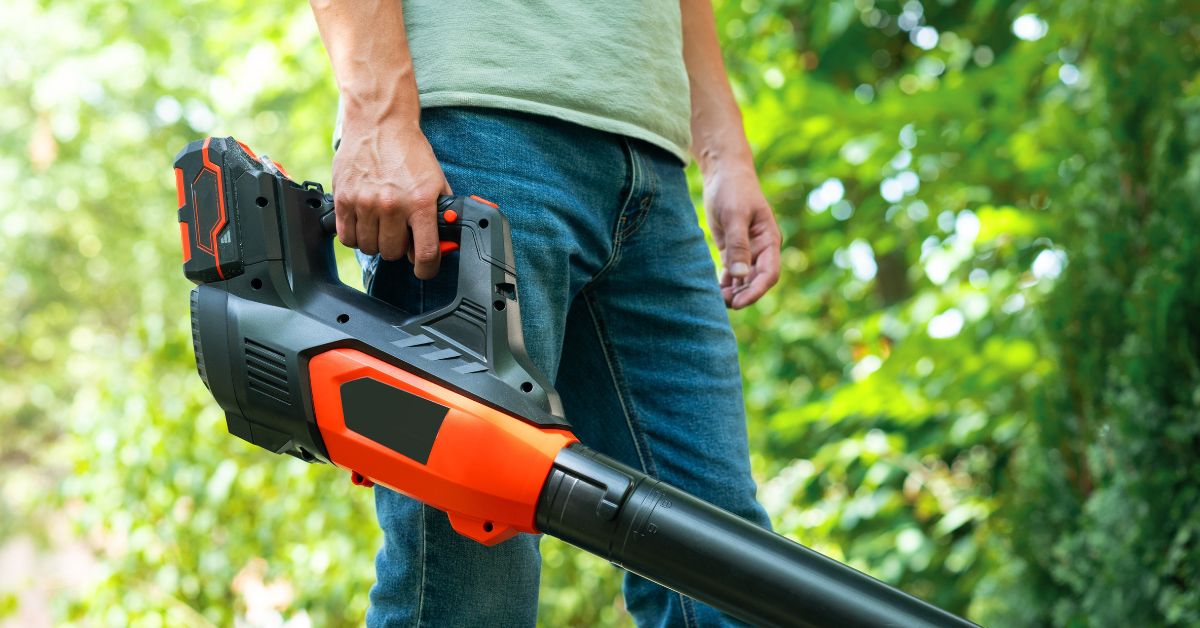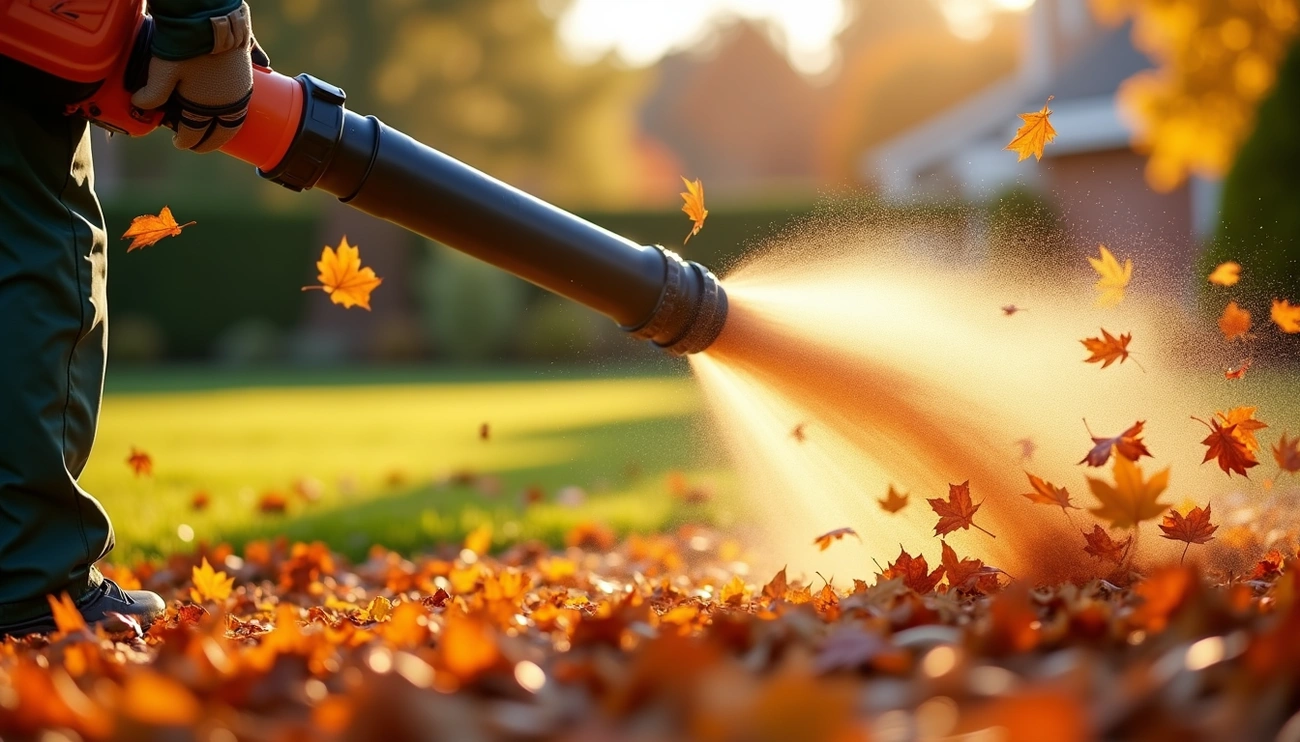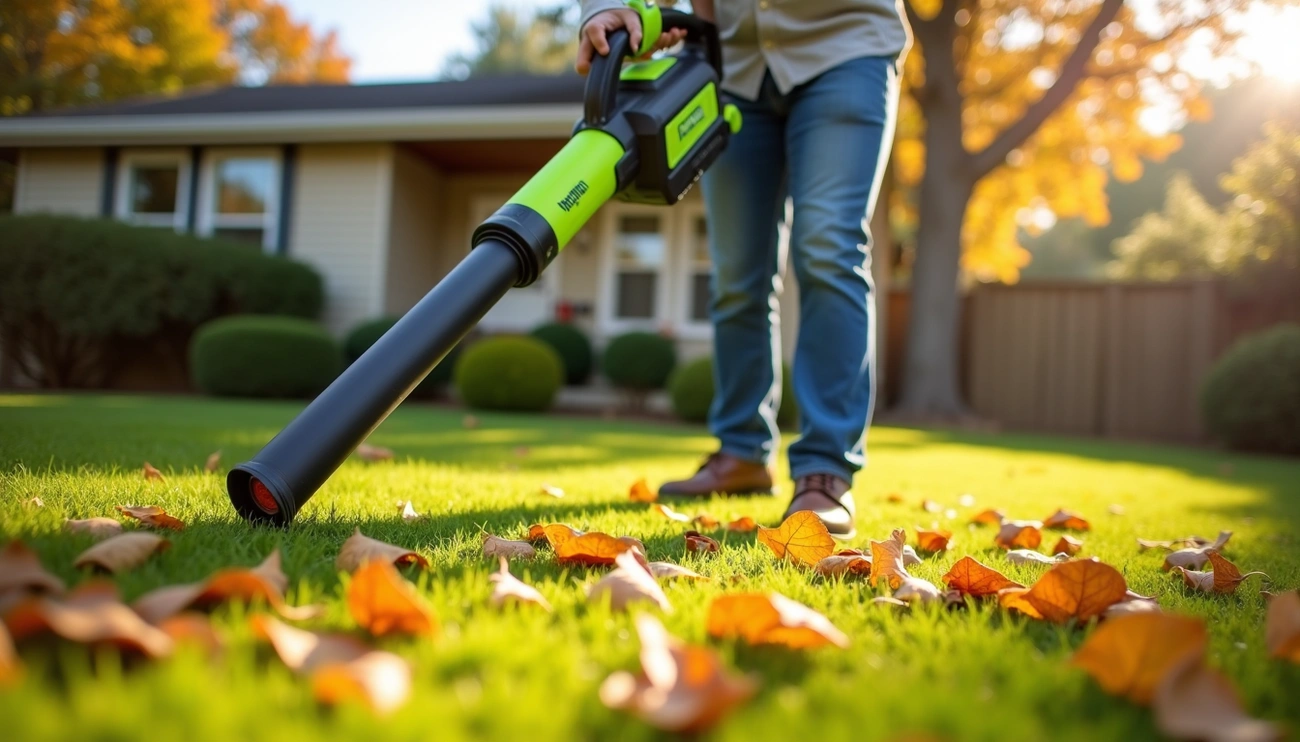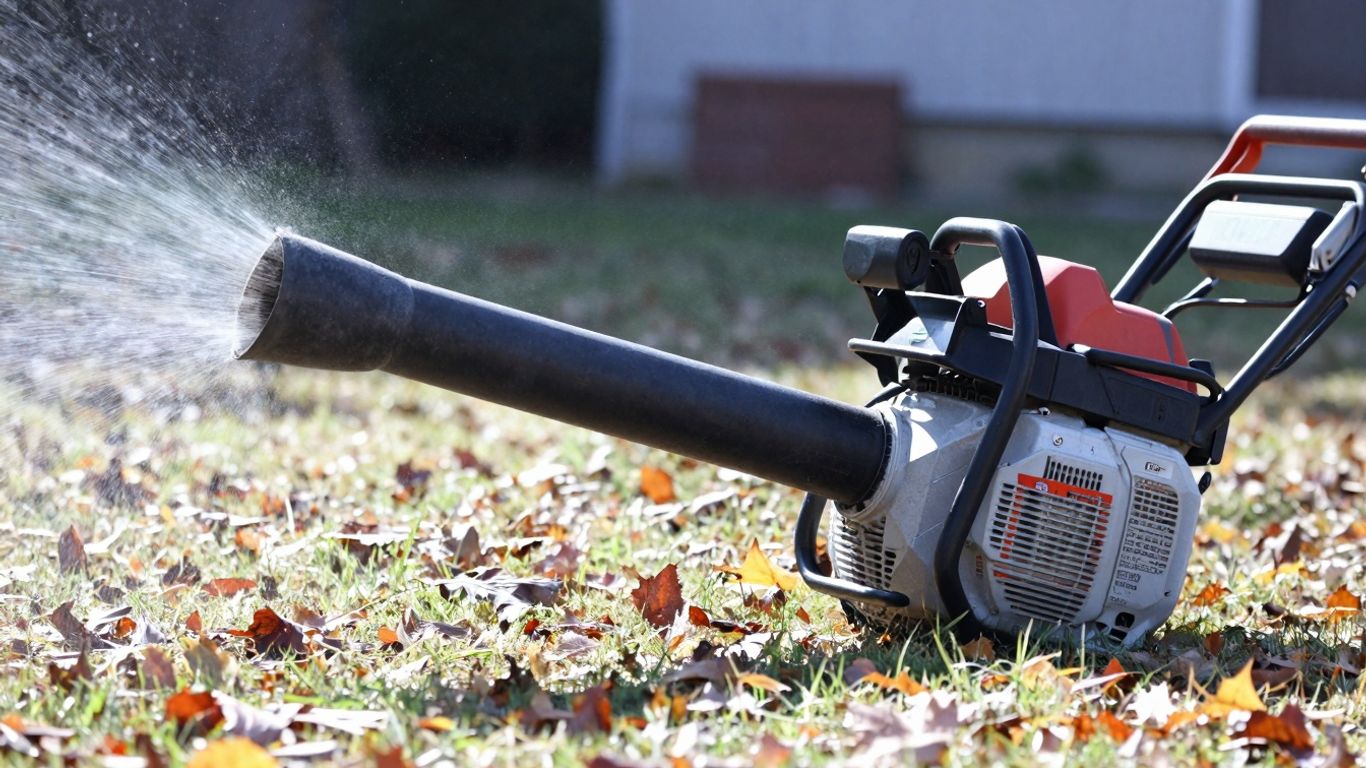
Not all leaf blowers also vacuum. Many modern leaf blowers are 2-in-1 or 3-in-1 models that switch between blowing, vacuuming, and mulching by changing tubes and attaching a bag. Standard blowers only push air, while combination units collect and mulch leaves for easier yard cleanup.
Key Takeaways
- Not all leaf blowers have a vacuum function; look for models specifically designed as “2-in-1” or “blower/vac” units.
- These dual-function tools typically come with special attachments, such as a collection bag and a vacuum tube, that allow switching between blowing and sucking.
- Having a leaf blower that also vacuums can save you time by letting you use one tool for multiple jobs, and it can also save money and storage space.
- When choosing a blower/vac, think about your yard’s size, the type of debris you deal with, and whether you prefer electric or gas power.
- While useful, these tools work best with dry leaves; wet leaves can cause clogs, and for very heavy debris, a dedicated vacuum might be more suitable.
Understanding Dual-Function Leaf Blowers
What Does “2-in-1” Mean for Leaf Blowers?
When you see a leaf blower advertised as “2-in-1” or “dual-function,” it means the tool is designed to do more than just blow air. These machines can switch between blowing leaves and debris away and vacuuming them up.
Think of it as getting two tools in one package. This versatility is a big deal for anyone who spends time tidying up their yard. Instead of needing a separate blower and a separate tool to clean up the mess, one machine handles both jobs. It’s a pretty neat concept that can really simplify yard work.
The Core Functionality of Blower Vacuums
At its heart, a dual-function leaf blower is built around a powerful motor that drives an impeller. In blower mode, this impeller forces air out through a nozzle, creating a strong stream to push leaves and light debris.
When you switch it to vacuum mode, the same impeller is used, but the airflow is redirected. Instead of pushing air out, it sucks air and debris in through a wider intake tube. This debris is then typically channelled into a collection bag.
Many models also have a mulching feature, where the impeller shreds leaves as they’re sucked into the bag, reducing their volume. This mulching capability is a real game-changer for managing large amounts of yard waste.
Identifying Leaf Blowers with Vacuum Capabilities
So, how do you know if a leaf blower can also vacuum? It’s usually pretty straightforward. Look for terms like “2-in-1,” “blower/vacuum,” or “multi-purpose” in the product description. Most manufacturers will clearly state if the model has vacuum capabilities.
You’ll also notice that these models come with extra attachments, specifically a collection bag and, often, a different nozzle or tube for suction. If a blower only has a simple nozzle and no mention of vacuuming or a collection bag, it’s likely just a blower.
Checking the product specifications or asking a sales associate is always a good bet if you’re unsure. It’s worth noting that not all blowers are built to handle the added stress of vacuuming, so sticking to models specifically designed for dual functionality is key. You can find a good selection of these versatile tools when you look for leaf blower vacuums.
How Leaf Blowers Transition to Vacuum Mode
So, you’ve got a leaf blower, and you’re wondering how it suddenly turns into a vacuum cleaner. It’s not magic, though it can feel like it when you’re tidying up the yard! Most of these dual-function tools achieve this switcheroo through clever airflow redirection and the addition of a few key parts. It’s a pretty neat bit of engineering that lets you go from blowing leaves into a pile to sucking them up.
The Mechanism Behind Vacuum Functionality
At its heart, a leaf blower uses a motor to spin an impeller, which pushes air out through the nozzle. When it’s time to vacuum, the design changes how that air moves. Instead of just pushing air out, the impeller now draws air in through a different port, usually located on the side or bottom of the unit.
This creates suction. The debris then travels through a tube and into a collection bag. The key is redirecting the airflow and creating an intake point. It’s a bit like turning a fan around to pull air rather than push it, but with much more power and a specific path for the debris.
Essential Attachments for Vacuuming
To actually vacuum, your blower needs a few extra bits and bobs. You can’t just flip a switch and expect it to work. The main things you’ll need are:
- A Collection Bag: This is where all the leaves and gunk end up. They usually attach securely to the blower housing.
- A Vacuum Tube or Hose: This is the part you direct at the debris. It connects to the intake port.
- Sometimes a Different Nozzle: Some models might have a specific nozzle designed for better suction.
Without these attachments, your blower is just a blower. They’re usually included with a “2-in-1” or blower/vac model. You can often find replacement bags or tubes if yours gets lost or damaged.
Switching Between Blower and Vacuum Operations
Switching modes is usually pretty straightforward, though it varies a bit by brand and model. Generally, you’ll need to:
- Turn off and unplug/disconnect the power source. Safety first, always!
- Remove the blower tube (if it’s detachable).
- Attach the vacuum tube/hose to the designated intake port.
- Secure the collection bag to the blower housing.
- Make sure any air vents are correctly positioned for vacuuming (some models have a lever or switch for this).
The process is designed to be tool-less on many modern units, meaning you shouldn’t need screwdrivers or wrenches. Just a few clicks and snaps, and you’re ready to switch functions. Always check your user manual for the exact steps for your specific model, as some might have slightly different configurations for attaching the vacuum tube.
Once everything is attached correctly, you can power up your tool and start vacuuming. It’s a pretty neat transformation that really expands what your leaf blower can do around the yard.
Benefits of Leaf Blowers That Also Vacuum
So, you’re looking at leaf blowers and noticed some say they can vacuum too. That’s not just a gimmick; it actually makes yard work a lot simpler. Having one tool that can do both blowing and vacuuming really cuts down on the hassle.
Streamlining Yard Work with One Tool
Think about it: instead of grabbing a blower, then a rake, then a separate vacuum or bag, you just switch modes on one machine. This means less time spent hunting for the right tool and more time actually getting the job done.
It’s especially handy when you’ve got a mix of tasks, like blowing leaves off the driveway and then vacuuming them up from the flower beds. This ability to switch functions on the fly is a real time-saver.
Cost and Storage Advantages
Buying a separate leaf blower and a dedicated yard vacuum can add up. A 2-in-1 model often costs less than buying two separate tools. Plus, let’s be honest, most of us don’t have a ton of space in the garage or shed. Having one piece of equipment that handles two jobs means less clutter and more room for other things. It’s a win-win for your wallet and your storage situation.
Efficiency in Debris Management
These dual-function tools aren’t just about convenience; they’re also pretty efficient. Many models come with a mulching feature. When you vacuum up leaves, the machine shreds them into tiny pieces. This dramatically reduces the volume of debris, so you’ll empty the collection bag less often. Plus, that finely mulched material is great for your compost pile or as a natural mulch for your garden beds. It turns yard waste into a resource.
Here’s a quick look at how they stack up:
| Feature | Leaf Blower Only | Dedicated Vacuum | 2-in-1 Blower/Vacuum |
|---|---|---|---|
| Primary Function | Moving Debris | Collecting Debris | Both Blowing & Vacuuming |
| Versatility | Limited | Limited | High |
| Storage Space Needed | Moderate | Moderate | Low |
| Cost | $ | $$ | $-$$ |
Using a tool that can both blow and vacuum means you’re not just cleaning up; you’re also managing your yard waste more effectively. It’s about making the whole process smoother and getting more out of your outdoor cleanup efforts.
Choosing the Right Leaf Blower Vacuum
So, you’ve decided a leaf blower that can also vacuum is the way to go. That’s smart! It really cuts down on the number of tools you need cluttering up the garage. But with so many options out there, how do you pick the one that’s actually going to make your yard work easier, not harder?
Considering Your Specific Yard Needs
First off, think about your yard. Is it a postage stamp or a sprawling estate? For smaller yards, a lighter electric model might be perfect. If you’ve got a lot of trees or a bigger space, you might need something with a bit more oomph.
Also, consider the type of debris you usually deal with. Are we talking just dry leaves, or are you wrestling with wet, heavy piles and twigs? Some machines handle tougher stuff better than others. It’s about matching the tool to the task, you know?
Power Source: Electric vs. Gas Models
This is a big one. Electric models, whether corded or battery-powered, are generally lighter and quieter. Corded ones are great for small, accessible areas, but you’re tethered by that cord. Battery-powered models offer more freedom, but you’ll need to keep an eye on charge times and battery life, especially for larger jobs.
Gas models usually pack the most power, making them ideal for big yards and heavy-duty debris. However, they’re heavier, noisier, and require more maintenance, like mixing fuel and oil. For a good balance, many people find battery-powered options like the Toro UltraPlus Electric Leaf Blower Vacuum to be a sweet spot.
Key Features to Look For
When you’re comparing models, keep an eye on a few things. The mulching ratio is important if you plan to use the shredded leaves for compost or mulch – a higher ratio means less volume to deal with. Bag capacity matters too; a bigger bag means fewer trips to empty it.
Also, check how easy it is to switch between blowing and vacuuming modes. Some are fiddly, others are a breeze. Variable speed control is also handy for adjusting power to the job at hand.
Don’t get swayed by the highest numbers for CFM or MPH alone. While power is important, consider how it is delivered and whether the tool is comfortable to use for extended periods. A powerful machine you can’t handle is just a heavy paperweight.
Effective Use of Leaf Blower Vacuums
Preparing Your Yard for Vacuuming
Before you even think about switching your leaf blower to vacuum mode, take a few minutes to prep the area. This isn’t just about making the job easier; it’s also about protecting your tool. Big stuff like rocks, thick branches, or even stray toys can really mess up the impeller inside. So, do a quick sweep of the area you plan to tackle.
If you’ve got a lot of leaves, mowing the lawn beforehand can actually help. It breaks down the leaves a bit, making them easier to suck up and often improving the mulching process later on. Think of it as a pre-treatment for your yard debris.
Techniques for Optimal Suction
Getting the most out of your blower vacuum means using it right. Start at one end of your yard and work your way across in a systematic pattern. This way, you won’t miss spots or blow debris into an area you’ve already cleaned.
For best results, keep the vacuum tube relatively close to the ground. You want to create a good seal without digging into the grass.
If you encounter a really thick pile of leaves, don’t try to suck it all up at once. It’s better to start from the top and work your way down. This prevents the machine from getting clogged.
Maximizing Mulching Capabilities
One of the best parts of a blower vacuum is its mulching feature. It chops those leaves into tiny pieces, drastically reducing the volume and making them great for composting or garden beds. To keep this mulching action working efficiently, avoid letting the collection bag fill completely.
Emptying it when it’s about two-thirds full usually does the trick. This ensures the air can still flow properly and the impeller has room to do its job. Plus, it makes the bag lighter and easier to handle when it’s time to empty it.
Remember, the goal is to make yard work less of a chore. Using your blower vacuum effectively means less time spent cleaning up and more time enjoying your yard. Pay attention to how the machine sounds and feels; it’ll often tell you when it’s working hard or getting clogged.
| Debris Type | Best Approach |
|---|---|
| Dry Leaves | Standard vacuuming, can also blow if needed |
| Damp Leaves | Vacuuming, may require slower passes |
| Small Twigs | Vacuuming, remove larger branches first |
| Grass Clippings | Vacuuming, best after mowing |
Limitations and Considerations
While leaf blowers that also vacuum are super handy, they aren’t always the perfect solution for every yard chore. It’s good to know their limits before you buy one.
When a Dedicated Vacuum Might Be Better
Sometimes, a tool designed for just one job does that job better. If you have a really large yard with tons of leaves, or if you’re dealing with a lot of wet, heavy debris, a dedicated yard vacuum might have more power and a larger collection capacity.
Trying to vacuum up huge piles with a blower-vac can take a long time, and you might find yourself constantly emptying the bag. Plus, some of the really powerful dedicated vacuums are built for serious work and might handle tough jobs more efficiently than a combo unit.
Handling Different Types of Debris
These dual-function tools are generally best for dry leaves and light yard waste. Trying to suck up twigs, small rocks, or larger debris can sometimes clog the impeller or damage the machine.
You have to be a bit more careful about what you’re trying to vacuum up, rather than just blowing it away. It’s like trying to use a straw to drink a smoothie with big chunks – it just doesn’t work as well.
Dealing with Wet Leaves and Clogging
Wet leaves are the bane of many yard tools, and blower-vacs are no exception. When leaves get soaked, they become heavy and sticky. This makes them harder to blow and even harder to vacuum.
They can clump together and easily clog the intake or the impeller, which chops up the leaves for mulching. If you frequently deal with wet conditions, you might find yourself spending more time unclogging the machine than actually cleaning your yard.
Maintenance for Dual-Function Tools
So, you’ve got one of those handy leaf blower vacuums, huh? Pretty neat how it can switch gears from blasting leaves to sucking them up. But like any tool that works hard, it needs a little TLC to keep doing its thing.
Neglecting maintenance is a surefire way to shorten its lifespan and end up with a tool that’s more frustrating than helpful. Regular upkeep is key to keeping your blower/vacuum running smoothly for seasons to come.
Keeping the Impeller and Bag Clean
The impeller is the heart of your blower/vacuum, the part that actually does the moving of air and debris. If leaves, twigs, or other gunk get jammed in there, it can cause all sorts of problems, from reduced power to outright failure. After each use, especially if you’ve been vacuuming, it’s a good idea to give it a look.
You might need to pop off a cover or two to get a good look. A stiff brush or even a gloved hand can usually clear out any lodged debris. Don’t forget the collection bag, either. A full or dirty bag means less suction power and more strain on the motor.
Empty it out completely and give it a shake. If it’s really grimy, a quick wash (check your manual first!) and thorough drying can make a big difference.
Regular Checks for Gas Models
If your dual-function tool runs on gas, there are a few extra things to keep in mind. Just like a car, these engines need clean fuel and air. Check the air filter periodically; if it looks clogged with dust and debris, clean or replace it.
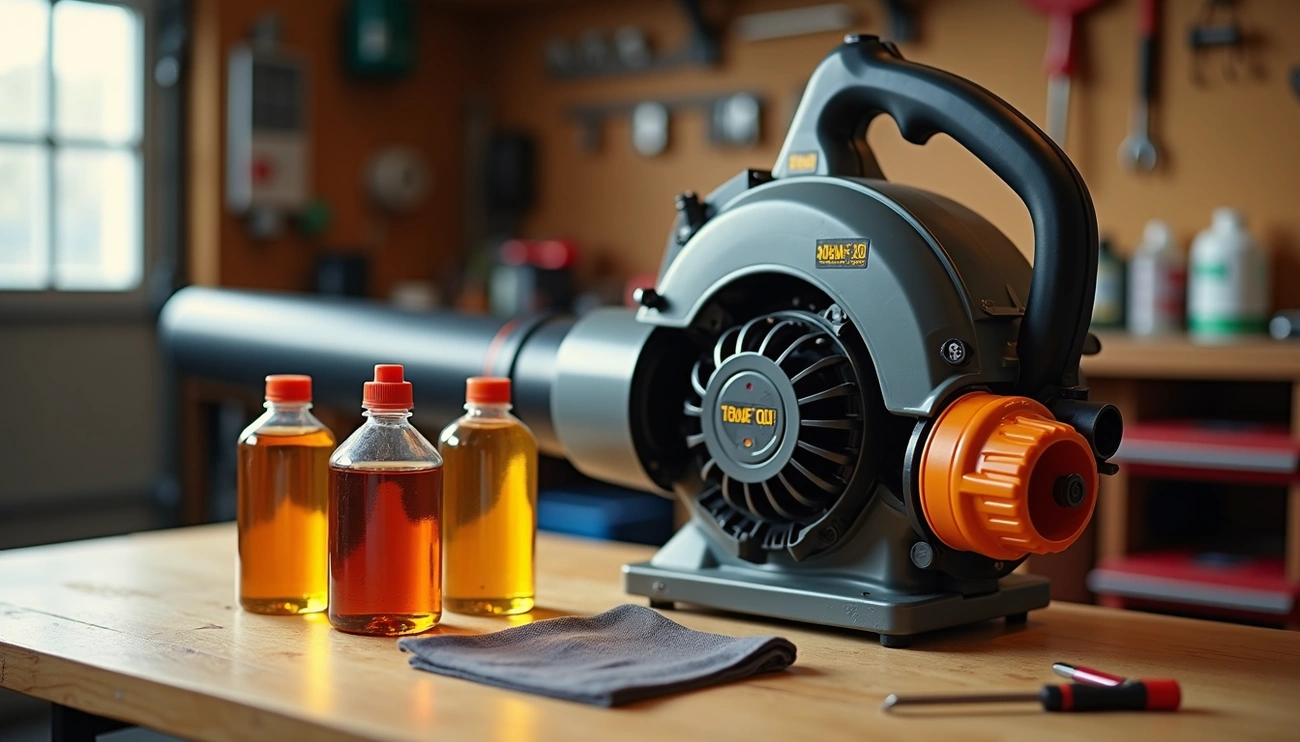
This is super important for performance. Also, keep an eye on the spark plug. A fouled spark plug can make starting difficult and the engine run rough. For gas models, always use the manufacturer-specified fuel-to-oil mixture. Using the wrong mix can seriously damage the engine over time.
Proper Storage for Longevity
Where you store your blower/vacuum matters. Ideally, it should be in a dry place, protected from extreme temperatures and moisture. If you’re storing it for the off-season, make sure it’s clean and completely dry.
For gas models, it’s often recommended to run the engine dry of fuel or to use a fuel stabilizer to prevent carburetor gumming. Disconnect the spark plug wire before storing to prevent accidental starting. Keep all the attachments organized and together, maybe in a dedicated bin or bag, so you don’t lose them, and they’re ready for the next time you need them.
Taking a few minutes after each use to clean out the impeller and collection bag, and performing more in-depth checks on gas engines, will save you headaches down the road. It’s not glamorous work, but it’s the kind of work that makes your tools last and perform when you need them most. Think of it as a small investment of time for a big return in reliability.
So, Can Your Leaf Blower Do Double Duty?
Alright, so we’ve gone over how some leaf blowers can totally switch gears and act like a vacuum. It’s not a magic trick, just a smart design with some extra bits like a bag and a different tube. For most folks just trying to keep their yard tidy, this 2-in-1 setup is pretty sweet.
It saves you from buying two tools and reduces storage space, which is always a win. Just remember, they’re best for dry leaves and lighter stuff. If you’ve got a huge mess or really wet debris, you might still need a dedicated vacuum. But for everyday leaf-wrangling and general yard cleanup, a blower-vacuum is a solid choice that makes life a little easier.
Frequently Asked Questions
Do all leaf blowers have a vacuum feature?
Nope, not all leaf blowers can turn into vacuums. You need to look for ones that are specifically called “2-in-1” or “blower/vac” models. These usually come with special parts, like a bag and a tube, so you can suck up leaves instead of just blowing them.
How do I switch my leaf blower to vacuum mode?
Switching modes usually involves adding a vacuum tube and a collection bag, and then changing a lever or switch to direct the air. It’s always best to check the instruction manual for your specific model to make sure you do it correctly.
Are electric or gas-powered blower/vacs better?
Electric models, whether they plug in or use batteries, are generally lighter, quieter, and need less upkeep. Gas models pack more power and let you move around freely, but they’re noisier and need gas. The best choice depends on how big your yard is and what you prefer.
Can leaf blower vacuums handle wet leaves?
Most leaf blower vacuums work best with dry leaves and small twigs. Wet leaves can sometimes clog up the machine or even harm the motor. For wet leaves, it’s often easier to use a rake or wait for them to dry before vacuuming.
How well do leaf blower vacuums work compared to regular vacuums?
Leaf blower vacuums are pretty good for light to medium yard cleanup, especially for leaves and small branches. They might have a tougher time with really wet or heavy stuff. Dedicated vacuums sometimes have stronger suction but aren’t as versatile for blowing.
What’s the main difference between a leaf blower and a leaf vacuum?
A leaf blower just pushes leaves around with air, usually into a pile. A leaf vacuum actually sucks up the leaves into a bag. Some models can even chop leaves into smaller pieces, making them easier to dispose of or use as garden mulch.