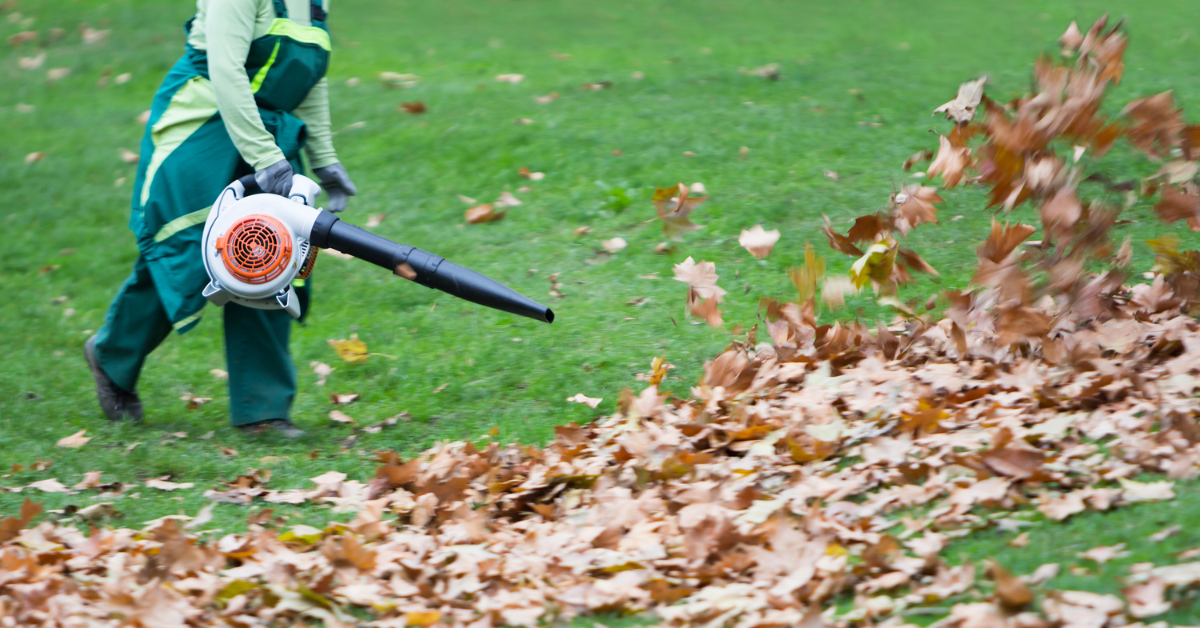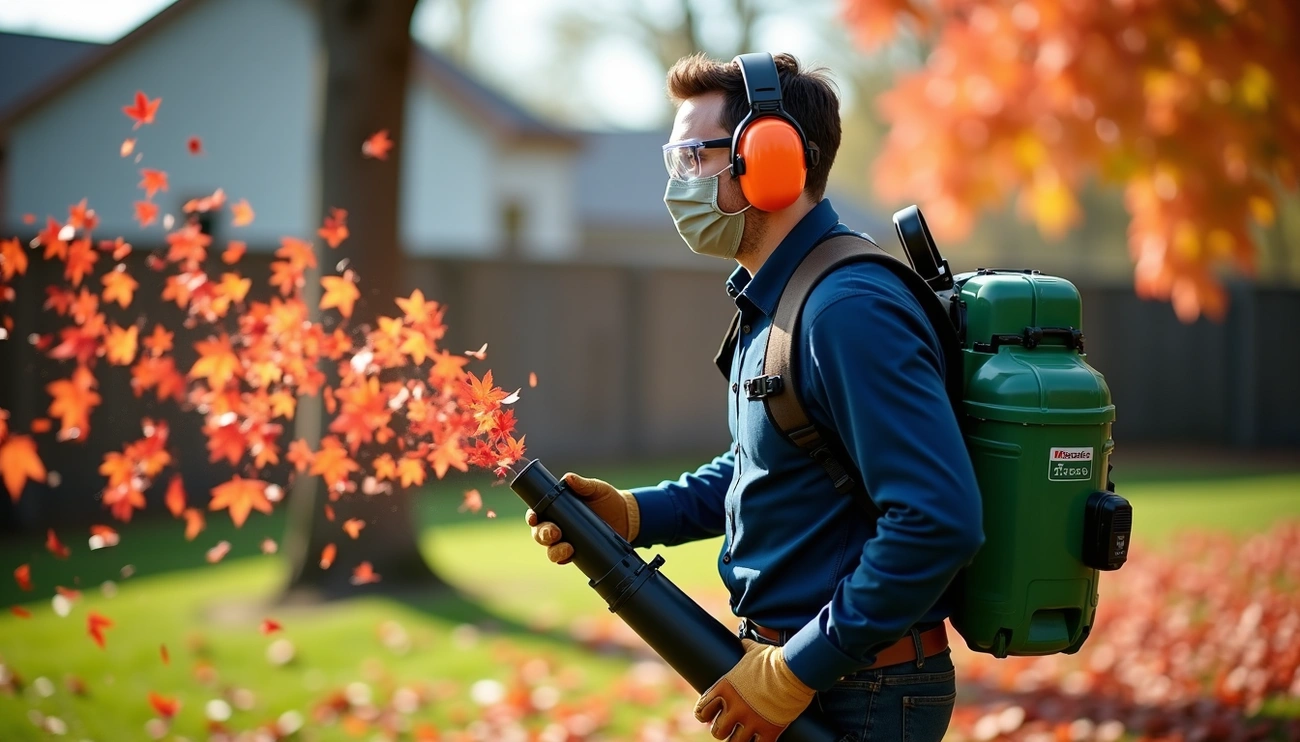
Yes, you need ear protection for a leaf blower. Leaf blowers often exceed 95 dB, and repeated exposure above 85 dB causes permanent hearing loss. Wear earplugs or earmuffs with a proper Noise Reduction Rating, even with electric models, and consider eye and dust protection.
Why Leaf Blowers Can Harm Your Hearing
Leaf blowers present a significant hearing hazard due to their excessive noise output. Understanding these risks is crucial for protecting your long-term hearing health.
How loud are leaf blowers?
Leaf blowers produce alarming noise levels that can damage your hearing. Most gas-powered models generate between 65 and 85 decibels (dB), with some powerful commercial units exceeding 100 dB—comparable to motorcycle or jackhammer noise. Even at 50 feet away, these machines produce harmful levels of noise.
Furthermore, the average leaf blower measures 70-75 dB at 50 feet, but reaches 90-100 dB at the operator’s ear. Consequently, this puts users at immediate risk since hearing damage begins at exposures above 85 dB.
Gas vs electric leaf blower noise levels
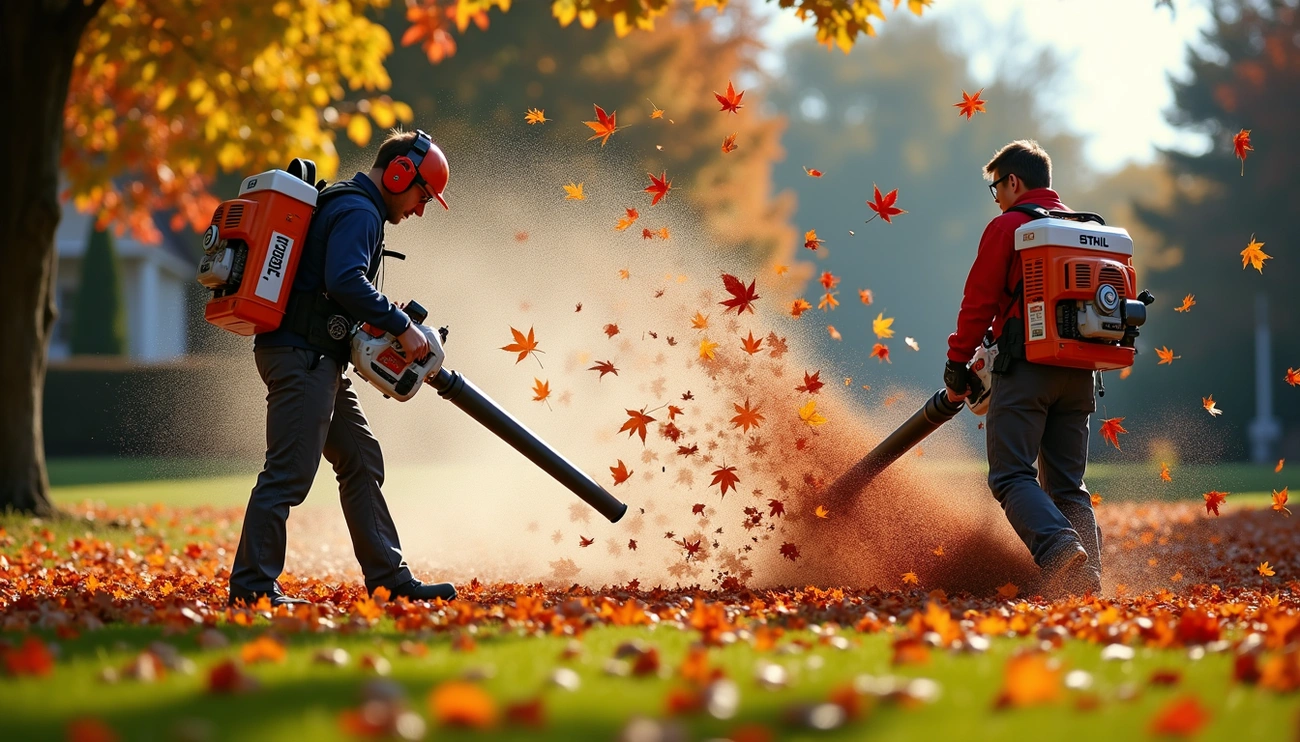
The type of leaf blower you use significantly affects noise exposure. Gas-powered models are substantially louder, typically operating at 80-90 decibels. Backpack models, in particular, generate the most noise and pose the greatest hearing risk.
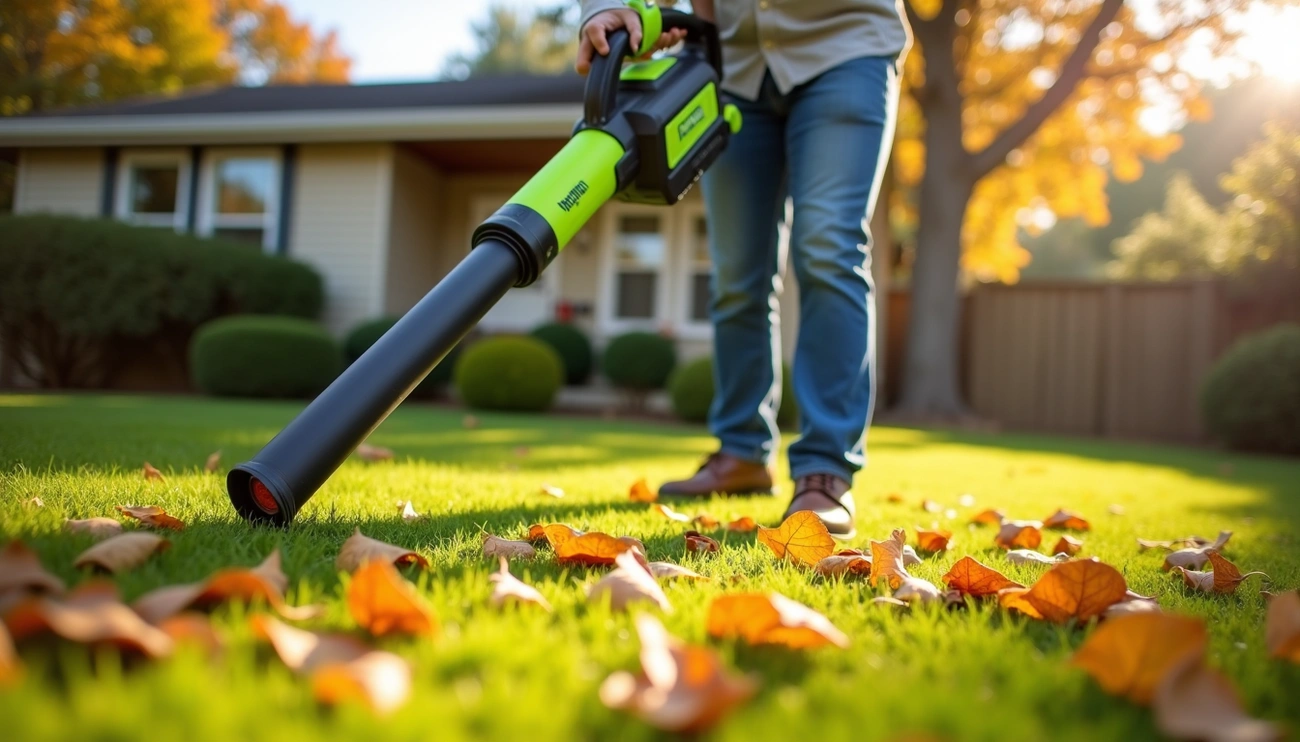
Electric models offer a quieter alternative, generally producing 65-70 decibels, with newer models reaching as low as 59 decibels. Nevertheless, hearing damage is cumulative, so protection remains advisable even with electric models.
A key difference beyond volume is that gas models produce more low-frequency sound energy. This type of noise travels farther and penetrates walls, doors, and windows more readily, affecting a much larger area than the high-frequency sound from electric blowers.
How long is too long without protection?
The duration of safe exposure decreases dramatically as noise levels increase. At 85 dB, OSHA requires hearing protection programs for workers with 8-hour exposures. However, many leaf blowers operate at much higher volumes:
For a typical 99 dB leaf blower, safe exposure without protection is just 19 minutes. Essentially, louder equipment means less time before damage occurs. Some outdoor yard equipment can damage hearing in as little as 15 minutes.
Given that gas leaf blowers can risk hearing damage in as little as 2 hours, and most yard work takes longer than the safe exposure limits, ear protection for leaf blowers is not optional—it’s necessary for preventing permanent hearing loss.
Understanding Hearing Protection Options
Choosing the right ear protection is vital when using leaf blowers. Protection options vary in effectiveness, comfort, and practicality depending on the situation.
Earplugs: Pros and cons
Earplugs come in several varieties: disposable foam, reusable silicone, and custom-moulded. Foam earplugs must be rolled tightly before insertion to conform properly to your ear canal. They typically reduce noise by 15-30 dB and are ideal for regular yard work.
Primarily, earplugs offer advantages in portability and discretion. They’re especially comfortable in hot or humid conditions where earmuffs might cause overheating. Nevertheless, their effectiveness depends entirely on proper insertion—incorrect fitting significantly reduces protection.
Earmuffs: When to use them
Earmuffs surround the entire ear with sound-absorbing materials and seal against the skin. With noise reduction capabilities of 20-30 dB, they’re remarkably simple to use—no insertion required, making them perfect for occasional users.
Notably, earmuffs work well when you need to frequently remove and replace protection during yard work. They also keep their ears warm during cold-weather leaf blowing. The downside? Earmuffs can interfere with eyewear and become uncomfortable during extended use.
Dual protection: Combining earplugs and earmuffs
In extremely loud environments, when noise exceeds 100 dBA, experts recommend using both earplugs and earmuffs. This combination doesn’t double the protection but typically adds about 5 dB to the higher-rated device’s NRR.
Dual protection is particularly effective for low-frequency noise (below 500 Hz), exactly where many leaf blowers operate. Indeed, this approach is worthwhile for gas-powered backpack blowers with the highest decibel outputs.
What is NRR, and how to read it
Noise Reduction Rating (NRR) measures how effectively a hearing protector reduces noise, with higher values indicating greater protection. NRR values typically range from 0 to approximately 30 dB.
Fortunately, calculating real-world protection is straightforward. For example, with a 100 dB leaf blower and ear protection rated NRR 25:
- Subtract 7 from NRR: 25-7=18
- Divide by 2: 18÷2=9
- Subtract from noise level: 100-9=91 dB
This reflects OSHA’s recommendation to apply a 50% correction factor, acknowledging that laboratory ratings often exceed real-world performance.
How to Choose the Right Ear Protection for Leaf Blowers
Selecting proper ear protection against leaf blower noise requires understanding both your equipment and protection options.
Match the NRR to your equipment’s decibel level.
Most gas-powered leaf blowers produce 95-115 decibels, requiring substantial protection. To calculate real protection from an NRR rating, subtract 7 from the NRR and divide by 2. For example, with NRR 33 earplugs and a 106dB leaf blower, your actual protection would be (33-7)÷2=13dB, reducing exposure to 93dB. This allows approximately 5 hours of safe use versus just 2 hours unprotected.
For all-day use, dual protection (earplugs and earmuffs) may be necessary. This adds 5dB to the higher NRR device, potentially reducing exposure below 70dB for unlimited safe use.
Fit and comfort considerations
Primarily, comfort determines whether you’ll consistently wear protection. Ill-fitting protection gets removed, leaving ears vulnerable. Consider weather conditions—earmuffs trap heat, whereas earplugs remain comfortable during hot yard work.
Common mistakes to avoid
Users frequently select protection with insufficient NRR for their equipment. Moreover, many temporarily remove protection, causing cumulative damage. Properly maintained gear matters—worn sealing rings significantly reduce effectiveness. Finally, consider compatibility with safety glasses or other protective equipment.
Remember: electric models operate at lower decibels, but they still require protection, since hearing damage accumulates over time.
Other Safety Gear to Use with Leaf Blowers
Beyond protecting your hearing, operating a leaf blower requires additional safety gear to shield yourself from various hazards.
Eye protection
Strong air expelled by leaf blowers propels dust, dirt, debris, and even small rocks that can strike your eyes. Primarily, sealed safety goggles offer the best protection, featuring adhesive rubber seals to prevent debris from entering your eyes.
Look for goggles that meet ANSI Z87.1 for maximum safety. Regular sunglasses simply don’t provide adequate protection—proper safety glasses with side shields help reduce the risk of debris entering from the sides.
Dust masks
Leaf blowers generate substantial amounts of dust that can cause mild irritation. Plus, exposure to harmful particles can lead to permanent lung damage and even enter your bloodstream. Wearing a dust mask prevents these particles from entering your respiratory system, making it an essential piece of equipment.
Gloves and proper clothing
Quality gloves ensure a steady grip on your leaf blower, particularly important as your hands may become sweaty during extended use. Long sleeves and pants protect against flying debris and harmful UV rays. Avoid loose-fitting jackets with jewelry underneath, as these can get drawn into the air intake, causing injury.
Closed-toe footwear
Slippers are absolutely inappropriate when operating a leaf blower. Sturdy, closed-toe shoes protect your feet from flying debris. Ideally, wear steel-toe boots while operating lawn equipment to protect against unseen hazards and sharp objects.
Conclusion
After examining the facts, we can see that ear protection isn’t optional when using leaf blowers—it’s absolutely essential. Your hearing is at significant risk from these machines, especially gas-powered models that produce noise levels comparable to those of motorcycles or jackhammers. Therefore, protecting your ears should be your top priority whenever you fire up your leaf blower.
The choice between earplugs and earmuffs depends largely on your specific situation and comfort preferences. Earplugs work well for extended use in hot weather, while earmuffs offer convenience and ease of use for occasional yard work. For particularly loud backpack blowers, combining both provides maximum protection against potential hearing damage.
Additionally, understanding the NRR rating helps you select appropriate protection for your specific equipment. This knowledge allows you to calculate exactly how much protection you need based on your leaf blower’s decibel level. The right protection extends your safe operating time from minutes to hours.