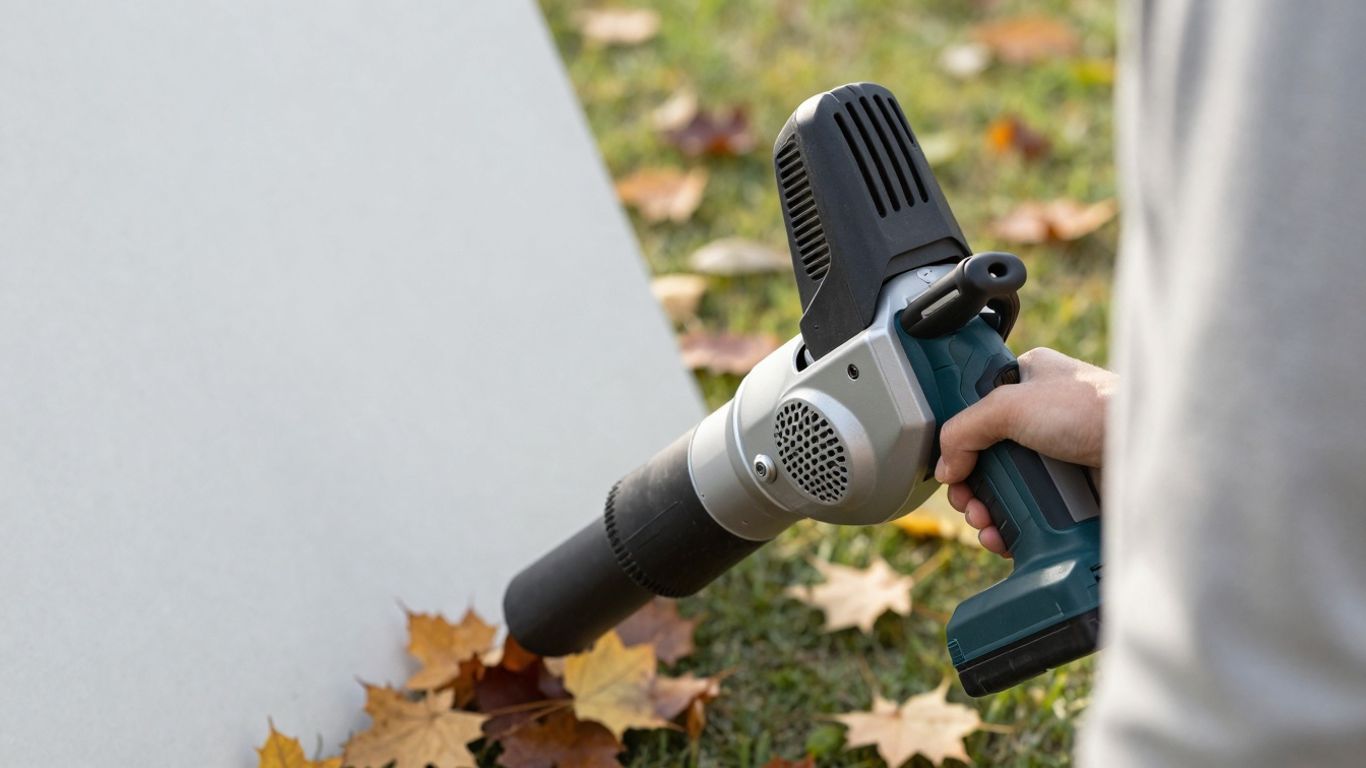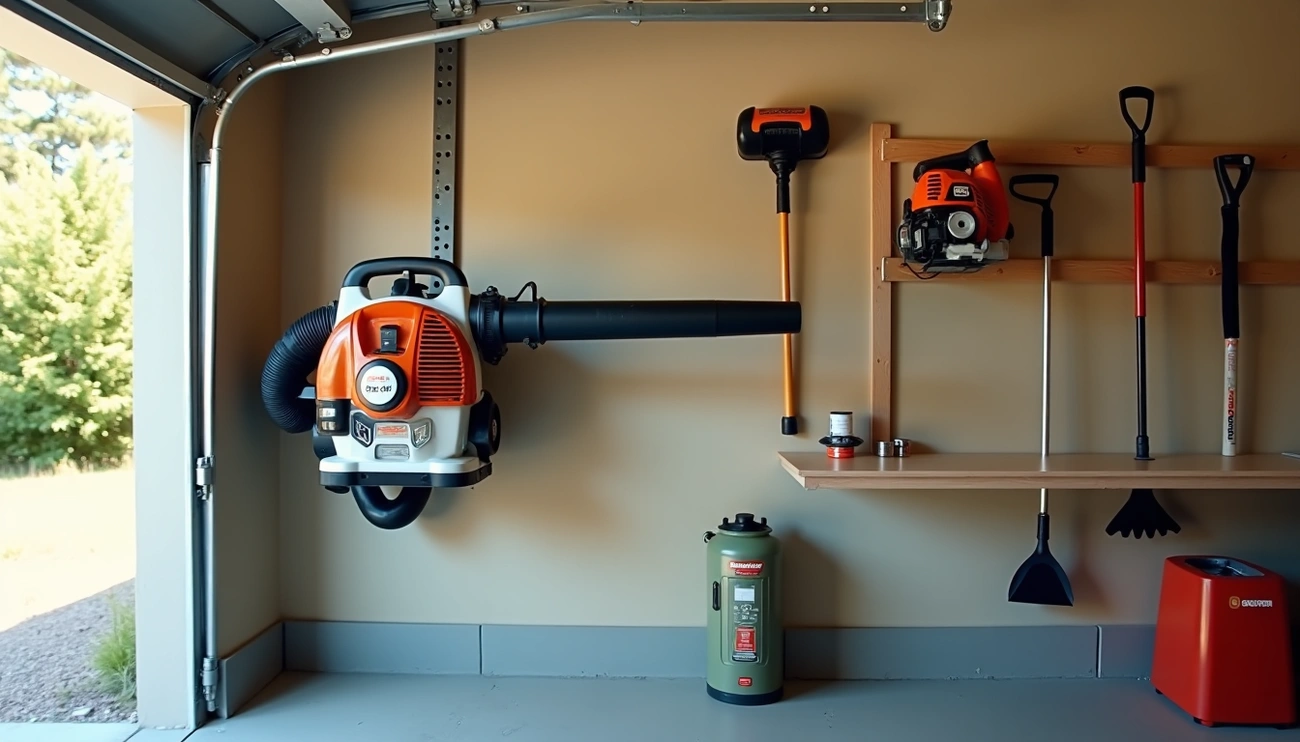
A leaf blower loses power when hot because airflow, fuel, or ignition is restricted. Common causes include a dirty air filter, clogged spark arrestor, bad fuel, a dirty carburetor, or a failing spark plug or ignition coil. Start by cleaning filters and using fresh gas before checking ignition parts.
Check the Air Intake and Filter
The air filter is your leaf blower’s first line of defence against performance issues. When your machine loses power during hot weather or extended use, a clogged air filter is frequently the culprit.
How a dirty air filter affects performance
A dirty air filter significantly restricts airflow to your engine, causing several problems. First, your leaf blower works harder and consumes more fuel trying to compensate for the reduced airflow. Consequently, if your leaf blower runs for a few minutes and then dies, the restricted airflow might be creating an excessively rich fuel-air mixture that smothers your engine.
Furthermore, a clogged filter reduces engine power, making your blower less effective. Your machine may stall, surge, or sputter as it struggles to get enough air. Additionally, if the situation persists, the engine can overheat from working harder, particularly troublesome when your leaf blower shuts off when hot.
In cases of severe neglect, torn filters allow debris to enter the engine, causing premature wear to internal parts, including pistons, cylinders, and the carburetor.
Steps to clean or replace the air filter
For most leaf blowers, you should check the air filter after approximately every 10 hours of operation. Here’s how to properly maintain it:
- Turn off the blower and allow it to cool completely.
- Remove the spark plug wire to prevent accidental starting.
- Locate and remove the air filter cover (usually secured with screws)
- Take out the filter and inspect its condition.
- For foam/sponge filters: wash with mild dish soap and warm water
- Rinse thoroughly and squeeze out excess water.
- Allow the filter to dry completely before reinstallation.
- For paper filters: tap gently against a hard surface to loosen dirt.
- Replace the filter if it’s damaged or excessively dirty.
- Before reinstalling, clean the filter housing with a cloth or compressed air.
Inspecting the air intake for blockages
In addition to the filter itself, you must regularly check the air intake vents. These vents are typically located near the starter cord and can become clogged with debris.
To properly inspect them:
- Use a soft brush or cloth to clear away visible debris from the intake vents.
- If necessary, remove the vent cover with a screwdriver to access hard-to-reach areas.
- Clean the flywheel blades and, if your blower has them, the cooling fins.
- Canned air works well for stubborn buildup in tight spaces.
By maintaining a clean air filter and intake system, you’ll prevent many of the common reasons your leaf blower loses power when hot or dies during operation.
Inspect the Fuel System
After checking your air intake, focus on the fuel system when your leaf blower loses power while hot. Fuel-related problems account for approximately 70% of small-engine issues.
Why old fuel causes stalling
Gasoline doesn’t stay fresh forever. In fact, fuel sitting for more than 30 days becomes stale and leaves sticky deposits throughout your fuel system. This is particularly problematic in leaf blowers that sit unused between seasons.
Moreover, ethanol-blended fuels attract moisture, which can lead to corrosion in the carburetor and fuel lines. The result? Your leaf blower starts, then dies as it struggles to receive consistent fuel flow.
How to clean the fuel lines and filter
If your leaf blower won’t stay running, inspect these components:
- Move to a well-ventilated area and locate the fuel lines.
- Examine lines for cracks, brittleness, or swelling.
- Replace damaged lines with hoses specifically designed for ethanol blends.
- Check the in-tank fuel filter using a hooked wire to retrieve it.
- Clean a moderately dirty filter by gently blowing through it.
- Replace the filter if heavily clogged or damaged.
Fixing a blocked carburetor
When your leaf blower shuts off while hot, a clogged carburetor is typically the cause. Signs include:
- The engine is running poorly at higher RPMs
- Starving for fuel when the throttle increases
- Improved performance after using carburetor cleaner, but problems quickly returned
For thorough cleaning, remove the carburetor, disassemble it, and use carburetor-specific cleaner on all passages. Clear small jets with thin wire or fishing line. If cleaning doesn’t restore performance, replacement carburetors cost under $20.
Correct gas-to-oil ratio for 2-cycle engines
Using the proper fuel mixture is critical, as 2-stroke leaf blowers require oil mixed with gasoline. Most models use either:
- 50:1 ratio (2.6 oz oil per gallon of gas)
- 40:1 ratio (4.0 oz oil per gallon of gas)
Always check your owner’s manual for the specific ratio. Running with too little oil can damage the engine, while excessive oil creates smoke. For best results, use fresh fuel with stabilizer if the blower will be stored for more than a few weeks.
Examine the Exhaust and Spark Arrestor
Many leaf blower owners overlook a critical component when troubleshooting performance issues: the exhaust system. Even with clean air filters and fresh fuel, a clogged spark arrestor can secretly siphon power from your machine.
What a spark arrestor does
The spark arrestor is a small metal screen inside your leaf blower’s muffler that catches sparks and carbon particles from the exhaust gases.
This safety device prevents potential fire hazards by limiting the size of exhaust particles, making them too small to ignite surrounding materials. Without this protection, your equipment could pose serious risks, especially in dry environments.
Signs of a clogged muffler
When your spark arrestor becomes clogged with carbon buildup, several telltale symptoms appear:
- Loss of engine power
- The engine is bogging down unexpectedly.
- Inability to reach full RPM
- Excessive oil and smoke from exhaust
- Engine revving less high than normal.
Generally, carbon accumulates on the spark arrestor screen after about a year of regular use. Accordingly, if your leaf blower dies when hot or stalls after running briefly, this commonly overlooked component might be the culprit.
How to clean or replace the spark arrestor
- Allow the engine and muffler to cool completely.
- Disconnect the spark plug wire to prevent accidental starting.
- Locate the muffler (usually on the side or front of the engine)
- Remove the exhaust deflector using a T27 Torx bit.
- Extract the spark arrestor screen.
- Clean carbon deposits using a wire brush
- Replace the screen if excessively damaged or clogged.
- Reassemble the components in reverse order.
Husqvarna recommends cleaning the spark arrestor after every 50 hours of operation. Despite its small size, this maintenance task can make a dramatic difference in your leaf blower’s performance.
Check for Overheating and Airflow Issues
The cooling system is often the hidden culprit when your leaf blower loses power during hot conditions. Unlike previous issues we’ve discussed, overheating problems gradually worsen, eventually leading to complete failure.
Cooling fins and their role
Cooling fins are vital components that dissipate heat from your engine. These metal ridges surrounding the cylinder create additional surface area, allowing heat to escape. Unquestionably, clean fins prevent critical engine damage, including valve-guide loosening, valve-seat displacement, and blown head gaskets.
How blocked vents cause overheating
Air must flow freely through your blower’s cooling system. Over time, dirt, leaves, and debris accumulate on:
- The air intake on the starter
- The cooling fins on the cylinder
- The cylinder cover
This blockage forces your engine to work harder, leading to performance issues where your leaf blower runs for a few minutes, then dies. For both gas and battery-powered models, blocked vents are the primary cause of sudden shutdowns and power loss.
When to replace the fuel cap vent
The fuel cap contains a small vent that equalizes pressure in the tank. A clogged vent creates a vacuum that stops fuel flow to the carburetor, causing stalling primarily when the engine heats up. Replace the cap if you notice cracking, or if cleaning the vent hole doesn’t resolve intermittent stalling.
To maintain optimal cooling, clean the entire system weekly—or more frequently in dusty conditions.
Conclusion
Dealing with a leaf blower that loses power when hot can certainly be frustrating, but most issues stem from simple maintenance oversights rather than serious mechanical failures. Regularly inspecting your air filter and intake can prevent many performance problems before they start. Additionally, maintaining fresh fuel and proper gas-to-oil ratios significantly extends your equipment’s lifespan while ensuring consistent operation.
Remember to check your spark arrestor and exhaust system at least every 50 hours of operation. This often-overlooked component can silently rob your machine of power even when everything else seems perfect. Likewise, keeping cooling fins and vents clear allows proper heat dissipation, preventing the overheating cycle that causes your blower to shut down during extended use.
Most importantly, preventative maintenance saves both time and money compared to repairs or replacement. A quick 15-minute inspection before each season starts will help you avoid those mid-job shutdowns that leave your yard work half-finished. Armed with the knowledge from this troubleshooting guide, you can now identify and fix power loss issues, ensuring your leaf blower performs reliably regardless of operating temperature or duration.