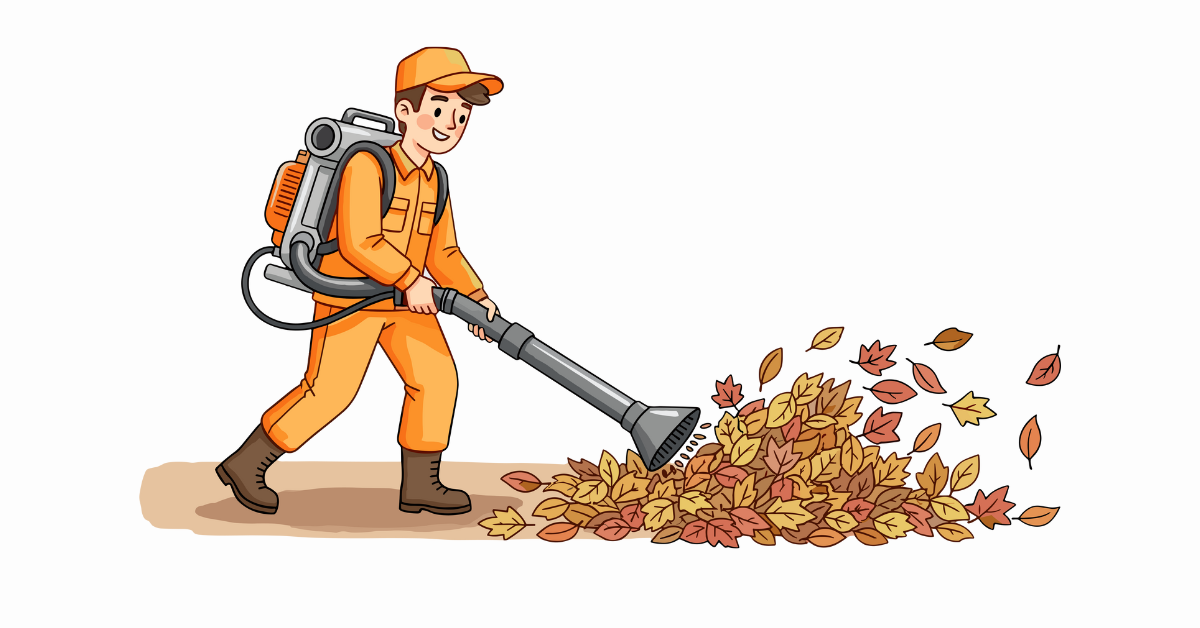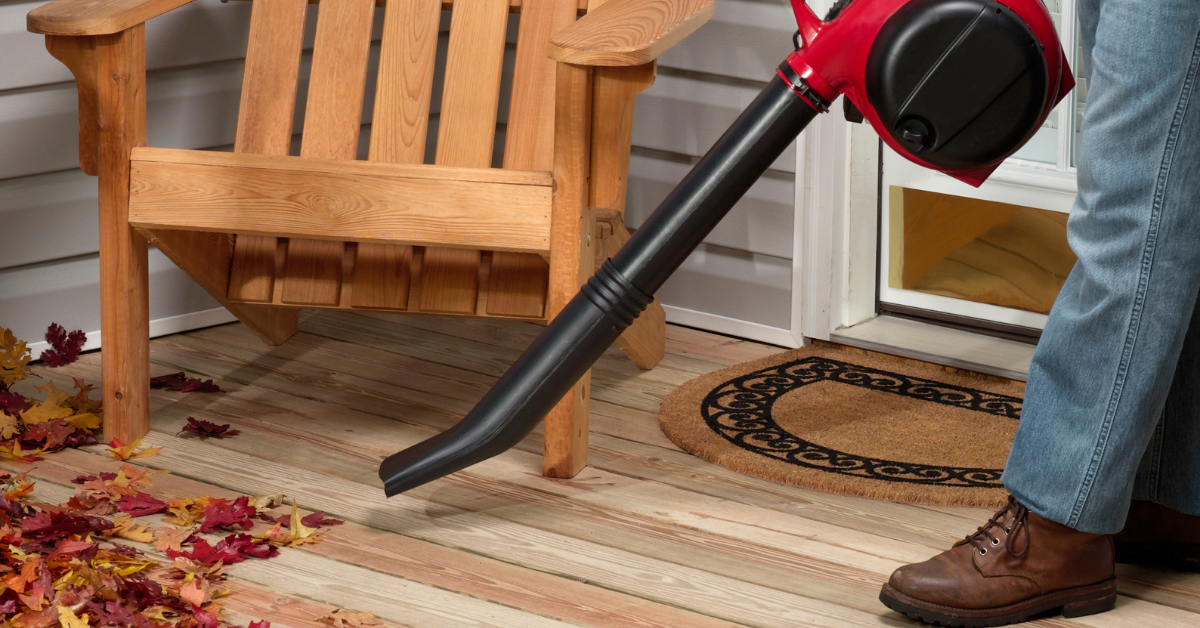
Your leaf blower is sputtering because air, fuel, or spark delivery is restricted. Common causes include a clogged air filter, old or contaminated fuel, a dirty spark plug, or a blocked spark arrestor. These issues disrupt combustion and are usually fixed by cleaning components or replacing fuel, filters, or the spark plug.
Check These Common Causes First
Before reaching for complex tools or calling a professional, check these four common culprits that often cause leaf blower sputtering.
Old or stale fuel in the tank
Fuel doesn’t stay fresh forever, particularly gasoline mixed with ethanol. If your leaf blower sits unused for extended periods, the fuel can break down, leading to performance issues. Never use gas older than 30 days, as stale or contaminated fuel often leads to poor starting, higher fuel consumption, reduced power, and unexpected engine shutdowns.
Furthermore, as fuel ages, some of its ingredients evaporate, leaving behind a thick, sticky substance that clogs the carburetor. This varnish-like residue blocks fuel passages, preventing proper combustion. You might notice a strong sour smell from the tank, or the engine might sputter and refuse to fire consistently.
A clogged air filter is restricting airflow.
Your leaf blower pulls in substantial amounts of air during operation. Consequently, the air filter can quickly become clogged with dust and debris. If your machine won’t start or performs poorly, inspect the air filter—it might be restricting airflow to the engine.
With a clogged filter, the engine receives too much fuel and insufficient air. This imbalance starves the engine of oxygen, making it difficult to start or causing it to stall immediately after starting. For optimal performance, check the air filter frequently, especially during heavy use seasons.
Dirty or damaged spark plug
The spark plug creates the vital spark needed for ignition. Over time, carbon buildup or normal wear can weaken this spark. If you find yourself repeatedly tugging the rewind starter with no results, a faulty spark plug might be the problem.
To check the spark plug, remove it and inspect for damage, such as cracked porcelain, burned electrodes, or heavy carbon deposits. A damaged spark plug will prevent proper ignition, causing your leaf blower to sputter or die when you increase the throttle.
Blocked spark arrestor screen
The spark arrestor is a small screen in your exhaust system that prevents sparks from escaping and potentially causing a fire. Over time, this screen collects soot and carbon deposits.
If your leaf blower bogs down at full throttle or runs roughly, the spark arrestor might be clogged. This tiny component, usually located on the muffler, requires regular maintenance to ensure proper exhaust flow. A blocked spark arrestor impairs the engine’s ability to expel exhaust gases efficiently, causing performance issues that might initially seem more serious.
Fixing Fuel and Airflow Issues
Now that we’ve identified the common issues, let’s fix them. Following these maintenance steps can solve most sputtering problems without expensive repairs.
How to clean or replace the air filter
A dirty air filter often causes a leaf blower to sputter or lose power. For foam filters, first remove the air filter cover, then take out the filter element. Soak it in warm soapy water for a few minutes, rinse thoroughly, and allow to dry completely. For foam filters used in dusty conditions, apply a few drops of air filter oil before reinstallation.
Paper filters require different treatment—gently tap against a hard surface to remove debris. If the filter appears damaged or remains dirty after cleaning, it must be replaced. This simple maintenance should be performed monthly or after heavy use.
Draining old fuel and adding a fresh mix
Fuel older than three months can cause running issues. To drain old fuel, use a small siphoning hose with a stainless steel straw to reach the bottom of the tank. Once emptied, mix fresh gas with 2-cycle engine oil at a 50:1 ratio using mid-grade unleaded gasoline (minimum 89 octane).
After refilling with fresh mix, press the primer bulb until you see a steady fuel flow. This simple procedure often resolves sputtering issues immediately.
Inspecting and replacing fuel lines
Damaged fuel lines frequently cause a leaf blower to bog down at full throttle. Monthly inspection is crucial—look for cracks, leaks or excessive wear.
To replace fuel lines, first disconnect them from the carburetor by splicing the line with a sharp knife. Remove the tank screws, then cut the new fuel lines at an angle for easier insertion. Remember: the primer line connects to the top of the carburetor, while the fuel delivery line with filter attaches to the bottom.
Using a fuel stabilizer for storage
Fuel stabilizer prevents the deterioration that causes leaf blowers to die when given gas. For storage exceeding 30 days, add one ounce of stabilizer per 2½ gallons of fuel. This keeps fuel fresh for up to 24 months, eliminating the need to drain your tank.
After adding stabilizer, run the engine for about five minutes to ensure the treated fuel circulates through the entire system. This step protects against corrosion and prevents gum and varnish buildup.
When Your Leaf Blower Bogs Down at Full Throttle
Does your leaf blower run fine at idle but sputter when you squeeze the trigger? This common problem typically requires a closer look at your carburetor.
Why does it stall when you give it gas?
When your leaf blower dies at full throttle, the carburetor is usually not delivering the correct fuel-air mixture. This often happens because gasoline has left sticky gunk inside the carburetor, blocking tiny passages.
Additionally, ethanol in modern fuels attracts moisture, leading to rust and residue buildup. A blocked muffler screen or exhaust port might likewise restrict airflow. In some cases, improperly connected fuel lines could limit fuel supply at higher RPMs.
Adjusting the carburetor settings
Begin with factory settings as your starting point. For idle adjustment (L screw), turn it in completely, then back it out about two full turns. For the high-speed setting (H screw), turn it in fully, then back it out approximately 1.5 turns. Make only slight adjustments—no more than half a turn in either direction. Fine-tune until you achieve smooth operation without bogging down.
Cleaning or rebuilding the carburetor
First, disconnect the spark plug and drain the fuel tank. Remove the air filter to access the carburetor. After detaching the carburetor, disconnect the fuel lines and throttle linkage, noting their positions. Remove the float bowl to check for varnish buildup.
Spray carburetor cleaner through all openings and passages. Use a thin wire to gently clear clogged jets. Never use metal objects that might enlarge passages. Finally, reassemble carefully using new gaskets if necessary.
Replacing the carburetor if needed
Sometimes replacement makes more sense than cleaning. If the carburetor body is cracked or severely corroded, or if the internal diaphragms are deteriorated, consider a new unit. Aftermarket carburetors often cost less than $20 and typically take about 30 minutes to install—saving considerable time versus the 1-2 hours needed for thorough cleaning. This approach offers a fresh start without the uncertainty of whether all passages are truly clean.
Other Parts That May Be Causing Trouble
After checking the most obvious culprits, turn your attention to these often-overlooked components that could be causing your leaf blower to sputter.
Cracked primer bulb or fuel cap vent
A damaged primer bulb affects starting and running consistency. Examine it for cracks, stiffness, or discoloration. A faulty primer bulb may not deliver sufficient fuel to the carburetor, hindering ignition.
Similarly, a clogged fuel cap vent creates a vacuum in the tank, preventing proper fuel flow. To test this, try running your leaf blower with the gas cap slightly loosened. Listen for a hissing sound when unscrewing the cap – this indicates a vacuum has formed.
Blocked exhaust or muffler
The exhaust screen frequently gets clogged with oil residue, limiting the speed at which your engine operates. This blockage prevents exhaust gases from flowing out, causing your leaf blower to bog down at high speed.
To fix this, locate the exhaust screen on the muffler behind the exhaust opening. Remove it by removing the small screw, then clean it with a wire brush or replace it if necessary. Persistent issues might require removing the muffler to clean the engine’s exhaust ports.
Loose or damaged ignition coil wire
A weak spark often causes power loss. If your leaf blower won’t start despite having fuel, the ignition coil might be faulty. Sometimes, the wire connecting the coil to the spark plug becomes loose or damaged. Check for proper connection and intact insulation. According to repair experts, this is among the most common reasons for replacing the ignition coil.
Conclusion
Dealing with a sputtering leaf blower can certainly be frustrating, but as we’ve seen, most problems stem from simple maintenance issues you can fix yourself. Old fuel remains the primary culprit behind poor performance; therefore, establishing a regular maintenance schedule becomes essential for any leaf blower owner.
Remember that fuel older than 3 months is likely to cause problems, so always drain unused fuel and start fresh each season. Additionally, checking your air filter, spark plug, and spark arrestor screen should become part of your routine maintenance. These small steps prevent major issues and extend your machine’s lifespan.
For those experiencing problems at full throttle, carburetor adjustments or cleaning often solve the issue. Though it might seem intimidating at first, basic carburetor maintenance saves money and prevents unnecessary replacements. However, when cleaning proves ineffective, affordable replacement carburetors offer a practical solution.