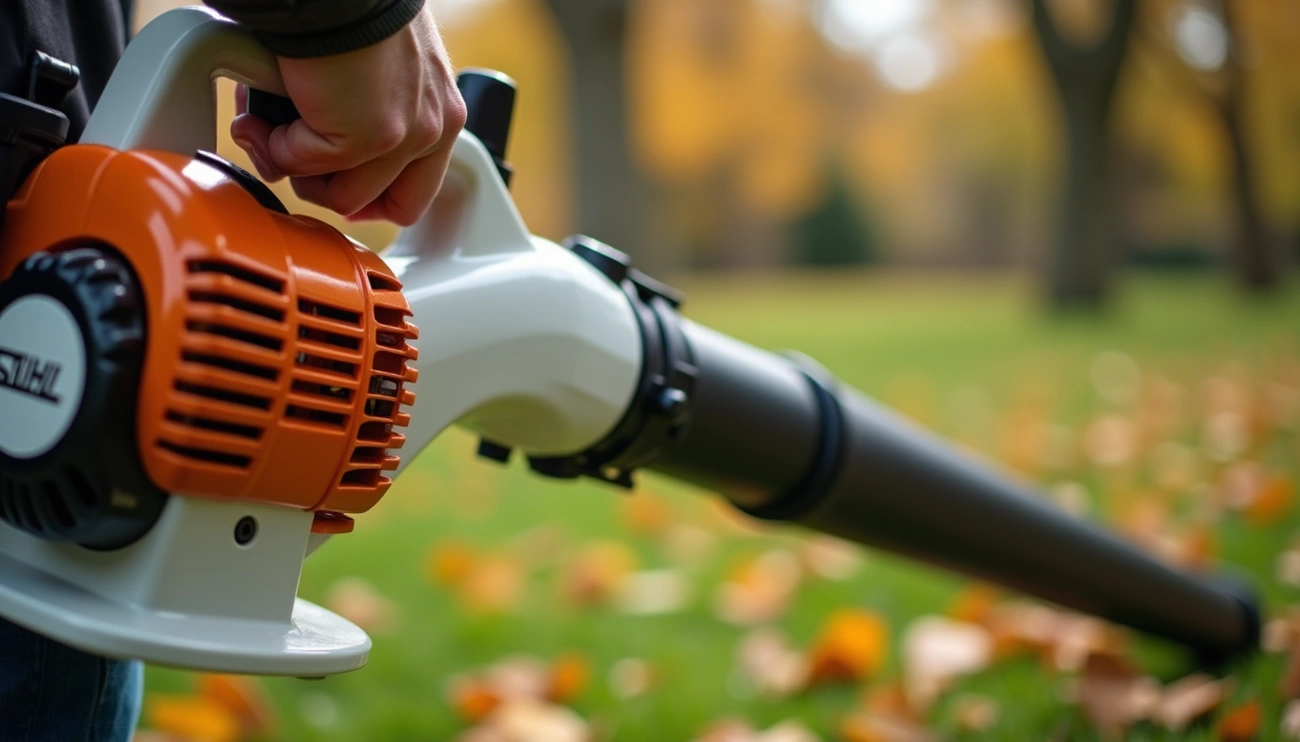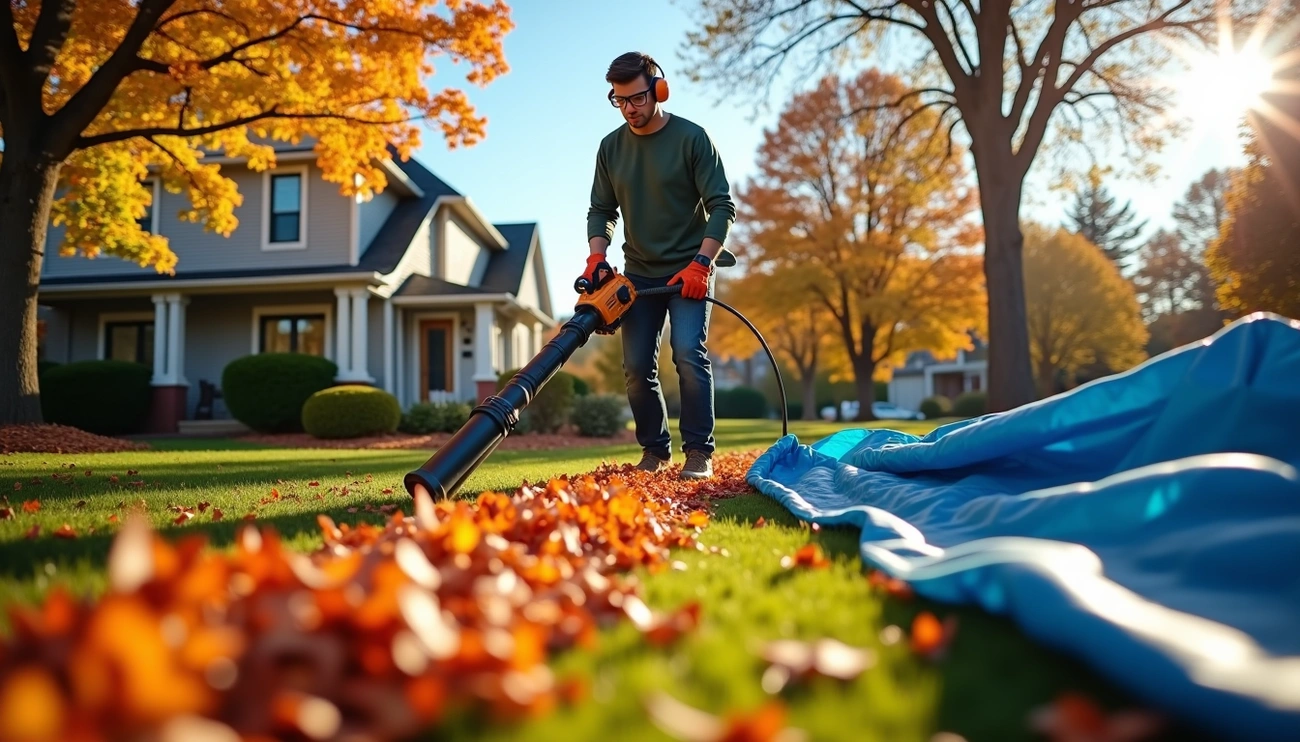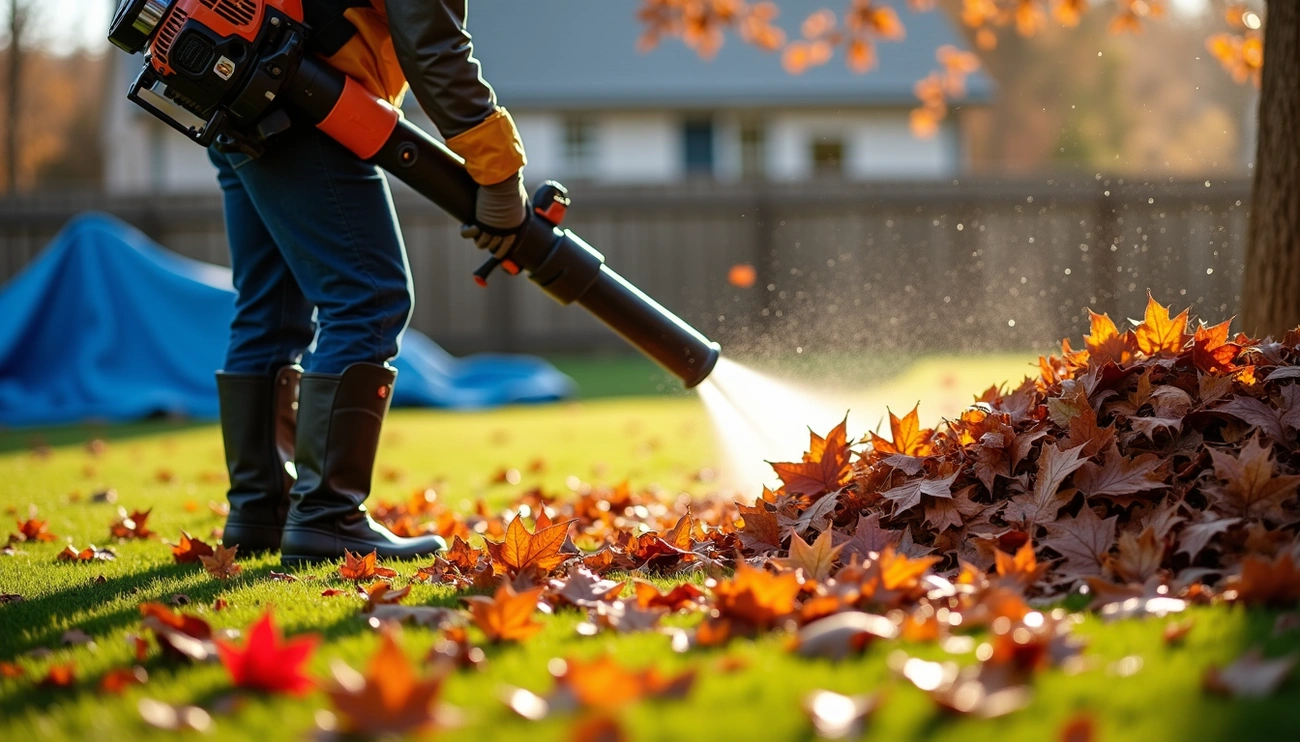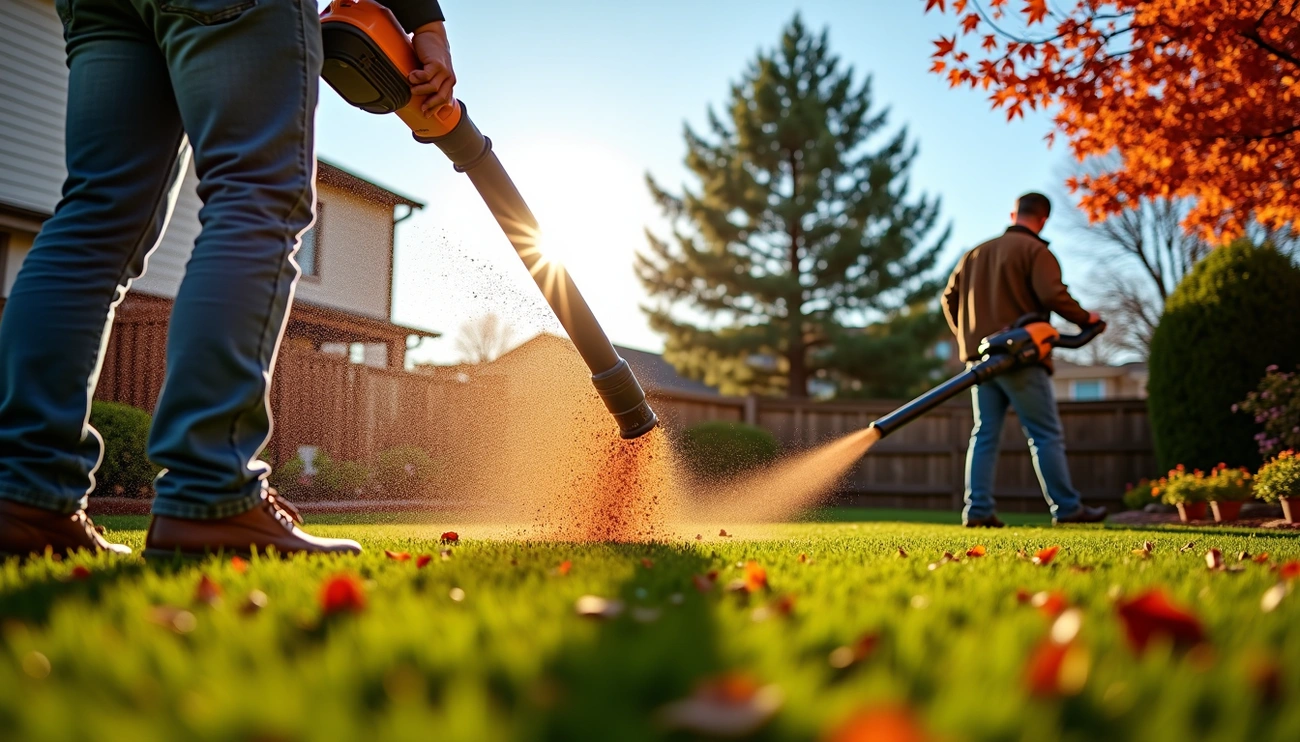
When it comes to leaf blower vs leaf vacuum options, the choice isn’t always straightforward. Leaf blowers are among the most efficient tools for moving large volumes of leaves quickly, while leaf vacuums excel at collecting leaves for disposal or composting. I’ve tested various yard equipment over the years, and leaf blowers are by far the loudest, with gas-powered models exceeding 90 decibels, which can disturb neighbours.
For homeowners considering a leaf blower or a vacuum for yard maintenance, understanding the pros and cons of each option is essential. Leaf blowers generally work faster than vacuums and can cover large areas quickly, making them ideal for extensive cleanups. However, leaf vacuums (sometimes called garden hoovers) are designed to suck up leaves and small debris, often shredding them into a collection bag. Interestingly, some models can work as both leaf blowers and leaf vacuums, offering versatility for different cleanup scenarios.
Whether you’re dealing with wet or dry debris, tools like the Greenworks Pro 80V can move it with up to 690 CFM or 165 MPH. In this guide, we’ll break down the key differences between these garden tools to help you determine which is the better fit for your specific yard needs.
Leaf Blower vs Leaf Vacuum: How They Work
Understanding the fundamentals of leaf blower vs leaf vacuum operation reveals distinct differences in their design and function. These yard tools operate on opposite principles yet accomplish the same ultimate goal—leaf management.
Airflow Mechanism: Blowing vs Suction
The core difference between these tools lies in the direction of their airflow. Leaf blowers use an electric motor or gas engine to drive an impeller (fan), which creates centrifugal force acting on surrounding air. This force pushes air outward through a nozzle at high speed. The effectiveness is measured by two key metrics:
- CFM (cubic feet per minute) – measures air volume; higher CFM moves more leaves quickly, perfect for large lawns
- MPH (miles per hour) – measures air speed; higher MPH helps shift wet or stubborn debris
Conversely, leaf vacuums reverse this process. Instead of expelling air, the impeller creates suction that draws leaves and debris inward through the nozzle. This creates a continuous airflow that pulls material into the device rather than pushing it away.
Debris Handling: Piling vs Bagging
Leaf blowers simply relocate debris, allowing you to create piles for later collection. This makes them faster for initial clearing, but leaves you with the task of gathering what you’ve blown.
In contrast, leaf vacuums collect leaves directly into attached bags. Furthermore, most vacuums incorporate a mulching system that shreds leaves into smaller pieces. Some models can reduce up to 6 bags of leaves down to just 1 bag through this mulching process. This creates two benefits: saving storage space and producing ready-to-use garden mulch.
Dual-Function Tools: Blower-Vac Combos
Many manufacturers now offer combination tools that function as both leaf blowers and vacuums. These versatile machines typically feature:
- Convertible operation through a switch or quick attachment change
- Collection bags that attach for the vacuum mode
- Built-in mulchers that shred leaves during vacuuming
- Reduced storage requirements compared to owning separate tools
The transition between modes varies by model—some require simply flipping a switch from “blow” to “vacuum,” while others need bag attachment or tube reconfiguration. For those with diverse yard needs, these dual-function tools offer practical versatility without doubling your storage space.
Performance and Efficiency in Real Yards
Testing leaf blowers and vacuums in actual yard conditions reveals significant performance differences that impact your cleanup efficiency.
Speed of Cleanup: Large Areas vs Tight Spaces
In real-world testing, leaf blowers consistently outpace vacuums for large-scale cleanup. Professionals can clear extensive areas much faster with blowers, often reducing raking time from hours to just one. The Greenworks Pro 80V Cordless Battery Dual-Port Backpack Blower, specifically, demonstrates impressive power for moving substantial volumes quickly. Notably, leaf vacuums excel in targeted cleanup—performing admirably along flower beds, pathways, and patios where precision matters. Although vacuums operate more slowly across expansive lawns, they offer superior results in confined areas.
Effectiveness on Wet vs Dry Leaves
Moisture significantly affects tool performance. Most leaf vacuums struggle with wet leaves, as suction power diminishes with added moisture or weight. Damp debris tends to clog vacuum tubes easily, making collection challenging. For wet conditions, higher-powered blowers with substantial CFM ratings perform better—moving wet grass clippings and soggy leaves effectively. Testing shows that blowers with airspeeds around 68 m/s can tackle wet fallen leaves particularly well.
Precision Control: Open Lawns vs Flower Beds
Open areas benefit primarily from blowers’ raw power, whereas delicate garden sections require finesse. Vacuums deliver exceptional precision around flower beds because they collect debris directly without risk of damaging plants. Additionally, tests demonstrate that narrower nozzles help direct airflow precisely—allowing users to funnel leaves from tight corners.
Leaf Blower vs Leaf Vacuum: Pros and Cons
Beyond basic functions, several practical considerations affect your choice between a leaf blower and a leaf vacuum. Let’s examine these crucial differences.
Noise Levels: Decibel Ratings Compared
Noise remains a significant concern for these tools. Gas-powered leaf blowers generate between 65 and 85 decibels, sometimes exceeding 100 dB, comparable to motorcycles or jackhammers. In contrast, electric and battery models operate at a more manageable 60-75 dB. Nevertheless, even electric blowers aren’t silent, merely less disruptive to neighbours and wildlife.
Ease of Use: Weight, Handling, and Setup
Regarding ergonomics, electric leaf blowers tend to weigh about 10 pounds more than gas models, which can cause user fatigue during extended use. Leaf vacuums present additional challenges—their collection bags fill quickly, often requiring frequent emptying. Moreover, many vacuums feature complicated bag-switching systems that can result in leaf mulch getting on your hands and clothes.
Maintenance and Storage Needs
Properly maintained, leaf blowers can last upwards of 10 years. Gas models demand monthly maintenance, including air filter and fuel line checks. Simultaneously, electric versions require minimal upkeep—primarily cleaning after use and battery maintenance. Both types should be stored in dry, dust-free locations.
Environmental Impact: Gas vs Electric Models
Perhaps the most striking difference lies in environmental impact. In 2020 alone, gas-powered lawn equipment emitted over 30 million tons of carbon dioxide. Effectively, this equals the emissions from 6.6 million cars. Electric models, thankfully, produce zero direct emissions, explaining why California and some municipalities have banned gas-powered blowers.
Choosing Based on Yard Type and Needs
Selecting the right yard tool largely depends on your property’s specific characteristics. Yard size, debris type, and physical capabilities all play crucial roles in determining which option works best for your situation.
Best for Large Yards with Heavy Leaf Fall
For properties exceeding one acre with substantial leaf accumulation, gas-powered models remain the optimal choice. These powerful machines generate sufficient airflow (up to 500 km/h) to handle heavy debris loads. Walk-behind leaf vacuums excel on large properties, offering powerful engines and large collection bags. For extensive areas, tow-behind sweepers attached to riding mowers efficiently clean 1-3 acres without excessive physical strain.
Ideal for Small Gardens and Patios
Small to medium yards benefit from lightweight electric or battery-powered options. Handheld leaf vacuums prove particularly effective for tight spaces between garden beds. These quiet, low-maintenance tools excel at precision work, especially around delicate plants. Corded electric models offer excellent power at affordable prices for compact spaces.
Mobility and Accessibility Considerations
Physical capabilities influence tool selection considerably. Lightweight electric models typically prove easier to handle during extended use. For uneven terrain, self-propelled or backpack models reduce fatigue. Ergonomic designs with padded straps distribute weight across the shoulders, enabling longer working sessions.
When to Choose a Combination Tool
Dual-function blower-vacuum combinations offer versatility for mixed-use scenarios. These 3-in-1 powerhouses blow, vacuum, and mulch leaves into compact collection bags. Combination tools work exceptionally well for medium-sized properties requiring different cleanup approaches across seasons. They’re also perfect for porches and decks as trees shed their final leaves.
Comparison Table
| Feature | Leaf Blower | Leaf Vacuum |
|---|---|---|
| Operating Mechanism | Pushes air outward through nozzle | Creates suction to draw leaves inward |
| Speed/Efficiency | Faster for large areas | Slower but more precise |
| Debris Handling | Creates piles for later collection | Collects directly into bags with mulching capability |
| Noise Level (Gas Models) | 65-85 dB, can exceed 100 dB | Not specifically mentioned |
| Wet Debris Performance | Effective with high CFM ratings | Struggles with wet leaves, prone to clogging |
| Best Use Case | Large open areas, extensive cleanups | Tight spaces, flower beds, patios |
| Ideal Yard Size | Effective for 1+ acre properties | Better for small to medium yards |
| Environmental Impact (Gas) | High emissions (contributes to CO2) | Not specifically mentioned |
| Maintenance (Gas) | Monthly maintenance required | Not specifically mentioned |
| Maintenance (Electric) | Minimal upkeep, mainly cleaning | Not specifically mentioned |
| Special Features | Can reach speeds up to 165 MPH | Can reduce 6 bags of leaves to 1 through mulching |
| Precision Control | Less precise, broader coverage | High precision around delicate areas |
Conclusion
After testing and comparing both types of equipment, the choice between a leaf blower and a leaf vacuum ultimately depends on your specific yard needs and priorities. Blowers clearly excel at quickly clearing large open spaces, especially when dealing with wet or heavy debris. Conversely, vacuums offer precision for delicate areas while collecting and mulching leaves into convenient bags for disposal or composting.
Throughout my experience with yard equipment, I’ve found combination tools particularly valuable for homeowners with diverse landscaping. These versatile devices let you switch between blowing and vacuuming as needed, giving you two tools while requiring storage space for just one.
Additionally, environmental considerations play a significant role in this decision. Electric or battery-powered models produce zero direct emissions, while gas-powered options contribute substantially to carbon dioxide pollution. This explains why certain regions have begun banning gas-powered equipment altogether.
Weight and ergonomics also play a major role in long-term satisfaction. Lighter electric models typically cause less fatigue during extended use, though they may lack the raw power of heavier gas options. For large properties exceeding an acre, backpack or walk-behind models distribute weight more effectively.
Undoubtedly, noise remains another crucial consideration. Gas blowers can reach disruptive decibel levels that might strain neighbourly relations, whereas electric versions operate more quietly while still getting the job done.
The comparison table provided above offers a helpful side-by-side analysis of key features. For small to medium yards with varied landscaping elements, a combination tool likely represents the most practical solution. Meanwhile, those managing large properties with substantial leaf fall might benefit more from dedicated high-powered blowers.
Finally, regardless of which option you choose, proper maintenance will significantly extend your tool’s lifespan. With careful consideration of your specific needs, either a leaf blower, a vacuum, or a combination tool will help you maintain a clean, beautiful yard with less effort than traditional raking alone.