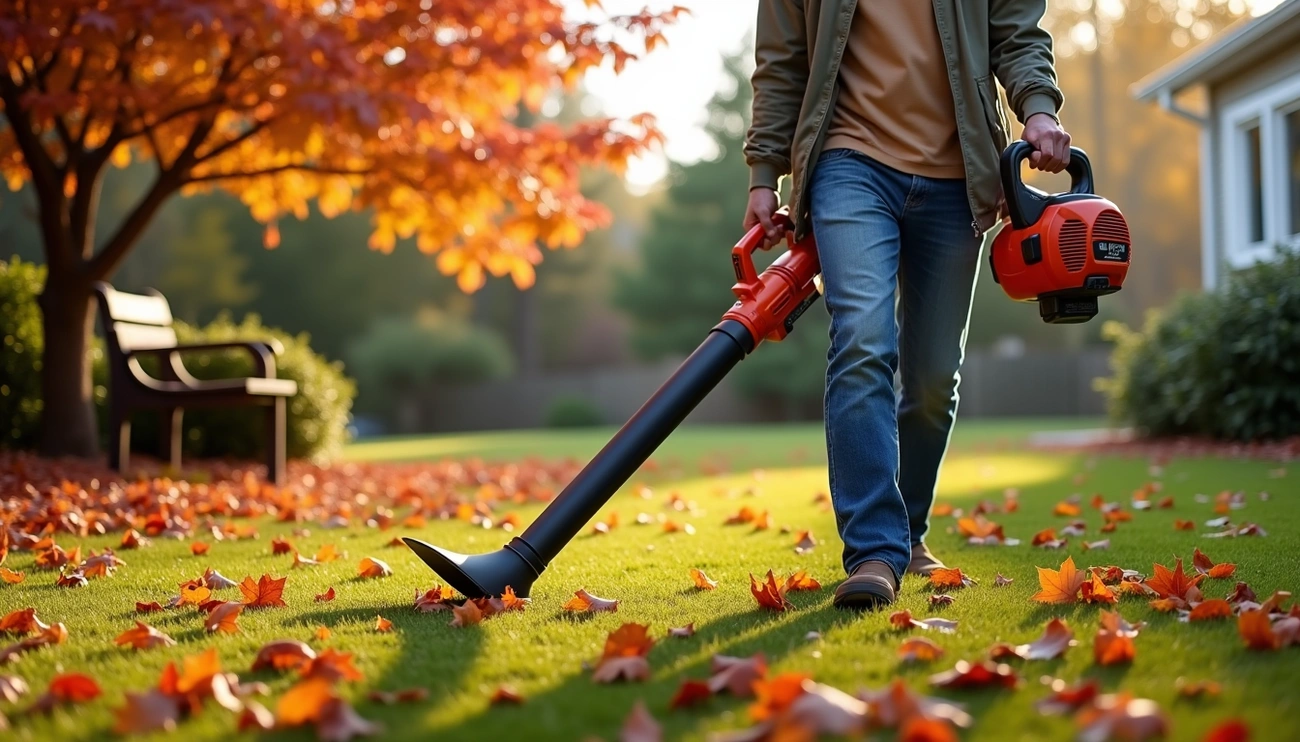
Choose a leaf blower by matching power (CFM and MPH) and blower type to your yard size and debris. Use corded electric models for small yards, battery blowers for medium yards, and gas or backpack blowers for large yards with heavy debris. Compare weight, noise level, ergonomics, and vacuum or mulching features to fit your budget and needs.
Types of Leaf Blowers Explained
Understanding the different types of leaf blowers is crucial before making a purchase decision. Each design serves specific purposes and comes with unique advantages based on your yard’s requirements.
Handheld vs Backpack vs Walk-Behind
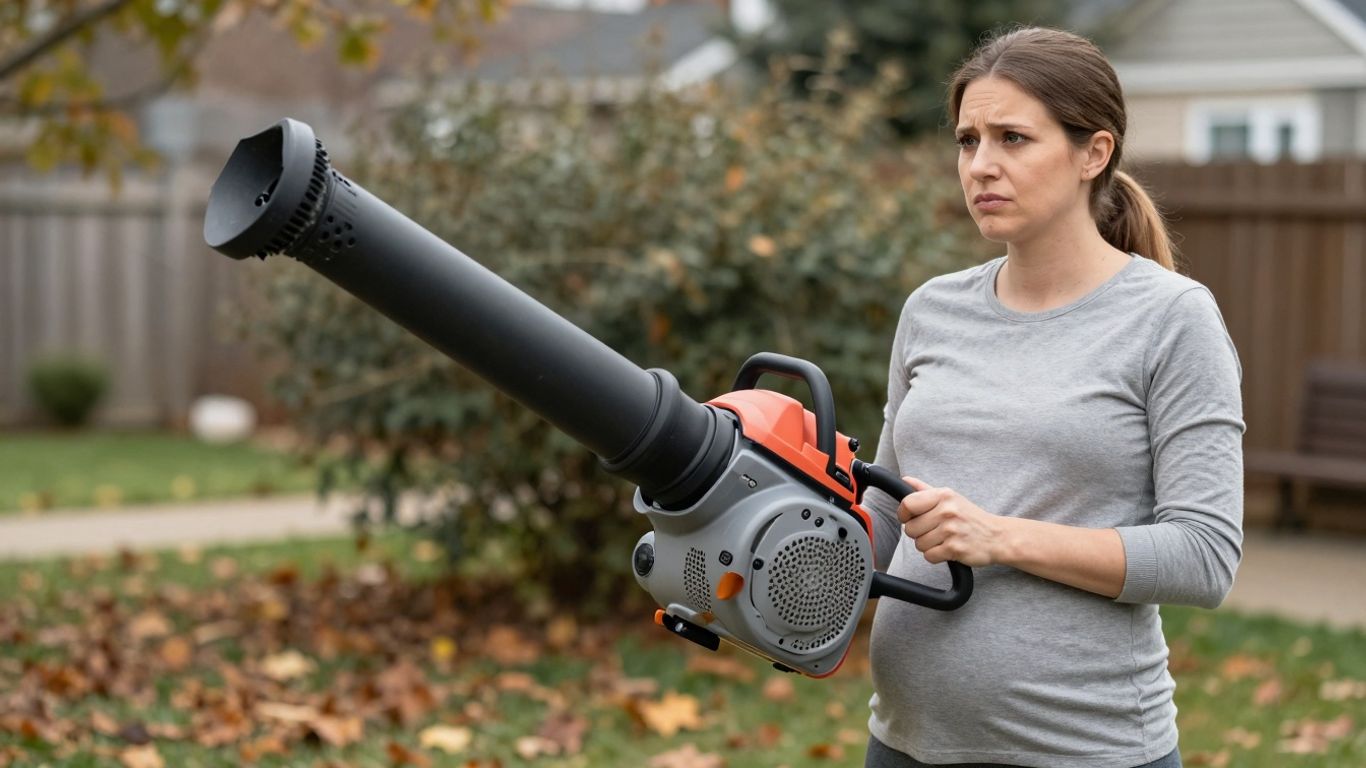
Handheld leaf blowers represent the most popular and compact option. These lightweight units typically weigh less than 8 pounds and are designed for one-handed operation. They excel in maneuverability around tight spaces like patios, decks, and small yards. The power range for handheld models typically falls between 150-800 CFM and 75-260 MPH, making them suitable for light to moderate debris.
Backpack leaf blowers distribute weight across your shoulders and back through padded straps, providing greater comfort during extended use. Weighing approximately 17 pounds or more, these blowers deliver significantly more power than handheld models. With typical power ranges of 400-1110 CFM and 150-240 MPH, backpack blowers are ideal for medium to large properties with heavier leaf coverage.
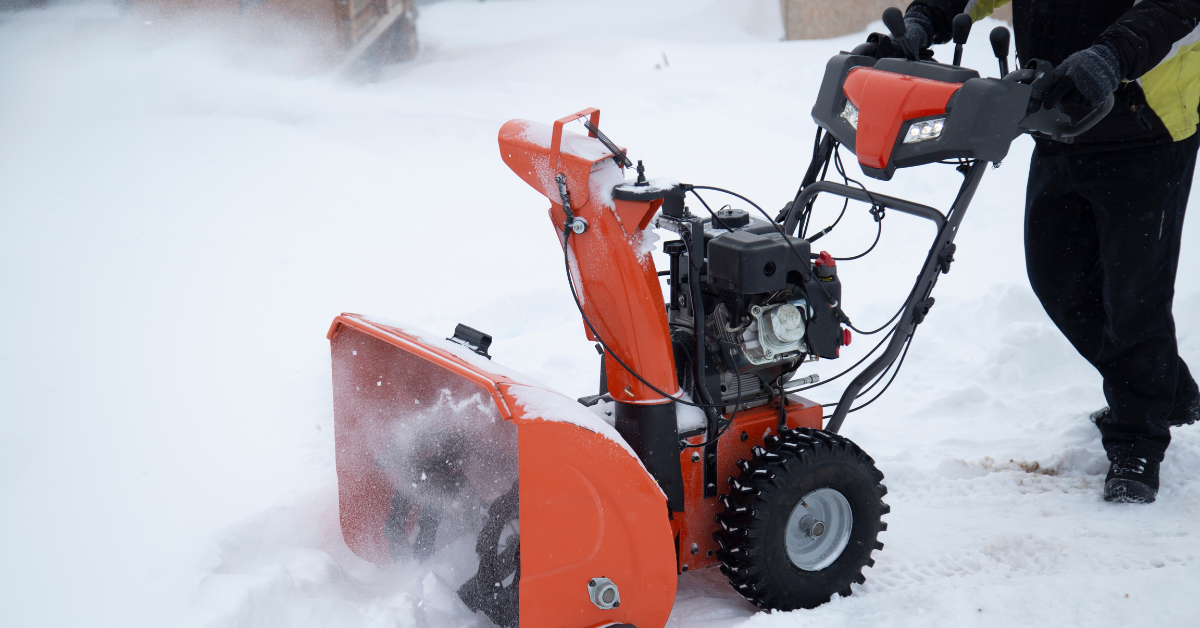
Walk-behind leaf blowers stand as the most powerful option, mounted on wheels for pushing like a lawn mower. These heavyweight champions can quickly clear huge piles of leaves across large areas. Nevertheless, they come with drawbacks—they’re bulky, requiring about 8 square feet of storage space, weigh 100 pounds or more, and typically cost between $975 and $1,200.
Vacuum and mulching options
Beyond just blowing leaves, certain models offer vacuum and mulching capabilities—features worth considering if you prefer collecting debris rather than just relocating it. These multi-function tools:
- Suck up leaves and debris through the chute or nozzle
- Shred collected material into fine mulch
- Reduce waste volume significantly for easier disposal
- Create nutrient-rich mulch for garden beds
- Collect materials in an attached bag for convenient disposal
For those interested in this functionality, look for models specifically labeled as “leaf blower vacuum combos” or those with “mulching capabilities”. These units often feature larger-diameter chutes or tubes to facilitate leaf collection.
Best type for small, medium, and large yards
Matching your leaf blower to your property size ensures you get sufficient power without overspending:
For small yards (under 5,000 square feet): Handheld leaf blowers provide the ideal balance of power and portability. Their lightweight design makes them perfect for quick cleanups on patios, driveways, or small lawn areas. Corded electric handheld models can be found for as little as $20-$30, while cordless versions range up to $300.
For medium yards (5,000-10,000 square feet): Cordless backpack or high-powered handheld blowers offer the mobility and power needed for these spaces. Battery-powered options work particularly well in this range, as they can typically clear leaves within 30 minutes before needing a recharge.
For large yards (over 10,000 square feet): Backpack or walk-behind models are strongly recommended. The weight distribution of backpack blowers makes them comfortable for prolonged use across expansive areas, while walk-behind units excel for commercial-sized properties where raw power and speed matter most.
Consequently, choosing the right leaf blower type forms the foundation of your purchasing decision, with your yard size and the nature of debris being the primary determining factors.
Choosing the Right Power Source
The power source of your leaf blower affects everything from performance to maintenance requirements. Making the right choice between gas, corded electric, or battery-powered models will significantly impact your leaf-clearing experience.
Gas-powered: pros and cons
Gas leaf blowers deliver unmatched power, making them ideal for tackling large properties and stubborn debris. These robust machines typically generate higher air velocity and volume, perfect for wet leaves and heavy materials. With airflow ratings of 600-1000+ CFM and speeds of 200-300+ MPH, gas blowers can handle demanding clearing tasks.
One major advantage of gas models is their unrestricted mobility. Unlike corded options, you can take gas blowers anywhere on your property without worrying about outlet access. Furthermore, they offer extended runtime—simply refuel when needed instead of waiting for batteries to recharge.
Yet despite these benefits, gas blowers come with notable drawbacks. First, they require regular maintenance including fuel mixing, oil changes, and engine tune-ups. They’re also considerably louder than electric alternatives, with noise levels at the ear averaging significantly lower scores (1.7 vs. 2.9 for electric models). Additionally, gas models emit exhaust fumes that contribute to air pollution and can raise environmental concerns.
Corded electric: when it works best
Corded electric leaf blowers shine in smaller yards where accessibility to power outlets isn’t an issue. These models provide consistent power without the limitations of battery life or the need for refueling. They’re also generally more affordable upfront, typically ranging between $50-$100.
Notably, corded blowers are substantially quieter than gas models. When measured from 50 feet away, they score an average of 4.8 compared to just 2.5 for gas options. This makes them excellent choices for noise-sensitive neighborhoods or areas with sound restrictions.
The primary limitation of corded models is obvious—you’re tethered to a power source. This restricts mobility around obstacles like trees and shrubs. For optimal performance, experts recommend staying within 100 feet of a power outlet.
Battery-powered: mobility and noise benefits
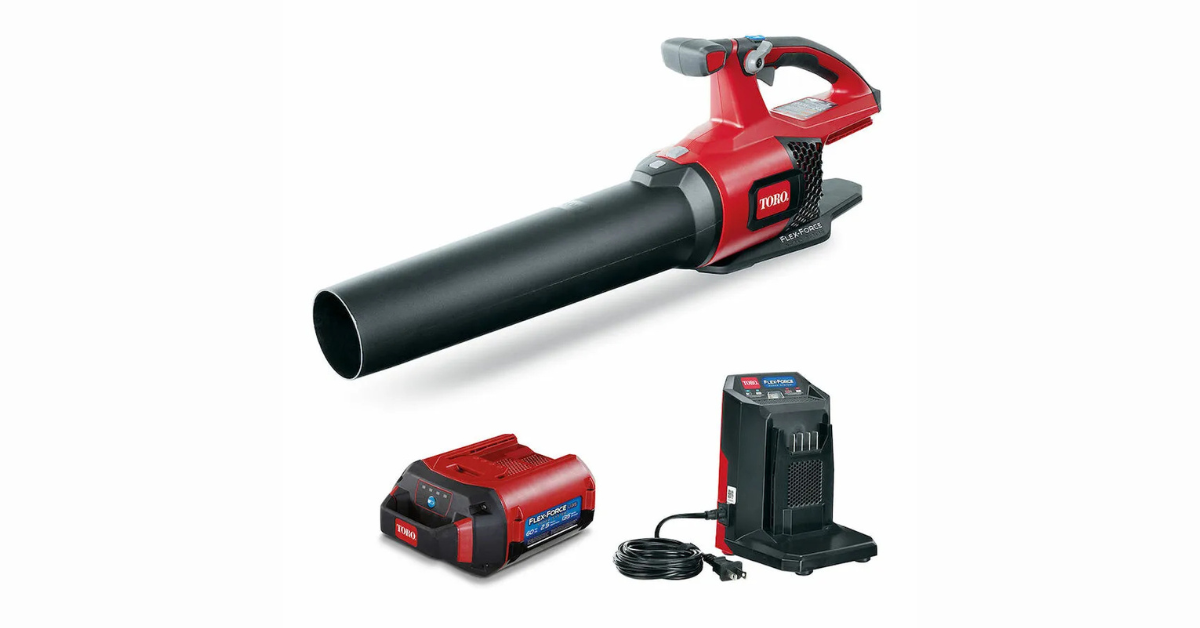
Battery-powered (cordless) leaf blowers offer an appealing middle ground between gas and corded options. Modern lithium-ion technology has dramatically improved their performance, with many models now rivaling gas blowers in power output.
These cordless blowers excel in several areas. First, they produce zero direct emissions during operation, making them environmentally friendly. Second, they operate much more quietly than gas models—some battery blowers emit sound levels around 80dB compared to more than 100dB for gas alternatives. Third, they’re typically lighter and easier to handle, weighing between 4-8 pounds versus 10-15 pounds for gas models.
The main consideration with battery blowers is runtime. Most models operate for 30-60 minutes per charge, though some advanced units can run up to 90 minutes. For larger properties, having spare batteries on hand is advisable.
What to look for in a leaf blower power source
When selecting the right power source, assess your property size first. For yards under quarter-acre, corded or battery models generally suffice. For larger areas, especially those with wet leaves or heavy debris, gas or high-capacity battery models may be necessary.
Consider your local regulations too, as some communities have banned or restricted gas-powered equipment due to noise and pollution concerns. In such areas, electric options become not just preferable but required.
Finally, evaluate your maintenance preferences. If you want minimal upkeep, electric models clearly win—they eliminate the need for fuel mixing, oil changes, and engine servicing. Cordless blowers require only periodic battery charging and proper storage.
Ultimately, the ideal power source balances performance needs with practical considerations like noise tolerance, maintenance willingness, and environmental impact.
Key Features to Look For
Beyond the basic types and power sources, examining specific features ensures you get a leaf blower that perfectly matches your needs. Knowing what technical specifications to prioritize makes all the difference in your yard cleaning experience.
Understanding CFM and MPH
These two measurements work together to determine a leaf blower’s effectiveness. CFM (cubic feet per minute) indicates the volume of air moved, essentially how much debris you can clear at once. MPH (miles per hour) measures airspeed, determining how forcefully air exits the nozzle.
For optimal performance, consider how these metrics complement each other:
- High CFM (400-700): Ideal for clearing large areas with lots of leaves
- High MPH (110-180): Best for wet leaves or stubborn debris that needs forceful air
- Balanced CFM/MPH: The sweet spot for most residential uses
A blower with high CFM but low MPH moves more air but with less force, whereas high MPH with low CFM creates a narrow, powerful stream.
Weight and ergonomics
The blower’s weight directly impacts user comfort, primarily for handheld models. Lighter options (3-15 pounds) reduce arm fatigue during extended use. Backpack models distribute weight across shoulders, offering greater comfort despite being heavier overall.
Ergonomic features worth considering include padded handles, vibration reduction technology, and adjustable nozzles that enhance control and minimize strain.
Noise levels and local regulations
Noise remains a major concern with leaf blowers, particularly in residential neighborhoods. Many towns have implemented restrictions on decibel levels or banned gas-powered models entirely. Electric and battery-powered options typically operate more quietly, making them suitable for noise-sensitive areas.
Variable speed and cruise control
Variable speed controls allow you to adjust airflow based on the task—lower settings for delicate garden beds, higher settings for wet leaves. Meanwhile, cruise control features maintain consistent airflow without continuously holding the trigger, markedly reducing operator fatigue.
Brushless motors and battery compatibility
Brushless motors offer substantial advantages over traditional brushed versions. They deliver more power, extend runtime, and significantly increase motor lifespan—up to 20,000-25,000 hours versus 1,500 hours for brushed motors.
Furthermore, these motors run more efficiently, allowing for more compact, lightweight designs. Many modern brushless leaf blowers feature intelligent battery management systems that monitor individual cells, optimizing performance and runtime.
Always check battery compatibility across a manufacturer’s tool lineup, as many companies design their batteries to work with multiple tools in their ecosystem.
How to Match a Leaf Blower to Your Yard
Selecting the perfect leaf blower starts with properly assessing your property’s specific needs. Simply asking “what size blower do I need?” isn’t enough – you need to consider multiple factors to make an informed decision.
Assessing yard size and layout
Your property size fundamentally determines which leaf blower will work best. For small yards (under 1/4 acre), lightweight handheld models with 200-400 CFM and 150 MPH typically provide sufficient power. Medium yards (1/4 to 1/2 acre) usually require cordless battery-powered blowers for better mobility while maintaining adequate power. Large properties (over 1/2 acre) often necessitate gas-powered backpack or walk-behind models that offer extended runtime without recharging.
Beyond size alone, consider your yard’s layout. Properties with numerous obstacles such as trees, garden beds, or outdoor furniture benefit from more maneuverable handheld units. Alternatively, open spaces with few obstacles allow for efficient use of larger walk-behind models that clear wide paths quickly.
Types of debris you’ll be clearing
Not all yard waste requires the same blowing power. For light, dry leaves, almost any leaf blower will suffice. Conversely, wet leaves, pine needles, twigs, and acorns demand substantially more power. Professional landscapers typically use blowers with 500+ CFM and 200+ MPH for handling diverse debris types.
Accordingly, if you regularly deal with wet or heavy debris, prioritize models with higher airspeed (MPH) ratings. For yards with large volumes of light, dry leaves, focus primarily on models with higher air volume (CFM) ratings.
Frequency of use and seasonal needs
Honestly assess how often you’ll use your leaf blower throughout the year. For occasional use during fall leaf season, a less expensive electric model might suffice. For homeowners needing year-round cleanup (grass clippings in summer, leaves in fall, light snow in winter), investing in a more durable model makes financial sense.
Ultimately, the best leaf blower for your yard balances power with practicality. For small, manicured properties with light debris, even a simple rake might be sufficient for infrequent cleanups. The perfect match combines the right power source, type, and features for your specific property conditions.
Tips for First-Time Use and Maintenance
Once you’ve selected the ideal leaf blower for your yard, mastering proper techniques ensures optimal performance and longevity. Practical knowledge of usage and maintenance makes all the difference in your leaf-clearing experience.
How to use a leaf blower effectively
Proper technique starts with positioning. Hold your blower at a shallow angle across the surface rather than aiming directly downward—this lifts debris instead of forcing it deeper into the ground. Work with the wind direction whenever possible, dividing your garden into manageable sections. For consistent results, maintain a smooth, controlled sweeping motion from side to side as you progress across the area.
Managing wet leaves and heavy debris
Wet leaves present unique challenges since additional moisture makes them significantly heavier. For damp leaves, consider using a more powerful blower—gas models typically deliver superior performance for this task. When facing thick or compacted materials, work in layers rather than tackling everything simultaneously. Start with loose material on top before addressing denser, wet masses underneath.
Cleaning and storing your blower
After each use, clean your blower thoroughly—pay special attention to air intake vents, removing any blockages. For seasonal storage, ensure the engine is completely cool and store in a dry, well-ventilated area away from direct sunlight. Battery-powered blowers should be fully charged before storing, while gas models require either draining the fuel tank or adding fuel stabilizer.
Safety gear and precautions
Always prioritize protection with:
- Safety goggles/glasses to shield eyes from flying debris
- Ear protection (plugs or muffs) to prevent hearing damage
- N95 dust mask for respiratory protection
- Long sleeves and pants for skin protection
Maintain at least 50 feet distance between the blower and other people or animals. For safety, never operate a blower from unstable surfaces like ladders or rooftops.
Conclusion
Choosing the right leaf blower ultimately depends on understanding your specific yard needs and personal preferences. Throughout this guide, we’ve seen how different types – from handheld to backpack to walk-behind models – serve various property sizes and debris challenges.
Gas-powered blowers offer unmatched power and mobility, though they come with noise concerns and maintenance requirements. Meanwhile, electric models provide quieter operation with less upkeep, albeit with range limitations for corded versions. Battery technology has certainly advanced, now offering a compelling middle ground between power and convenience.