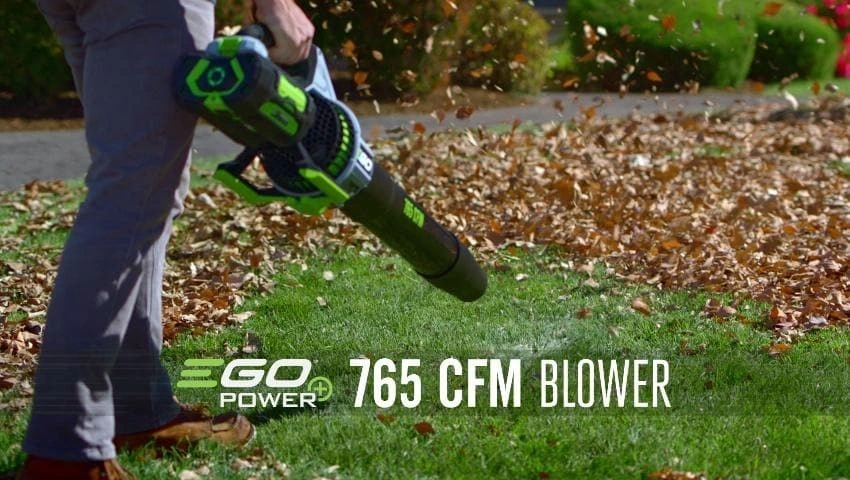
Yes, electric leaf blowers are quieter than gas-powered models. Electric blowers run without combustion engines and are often 10 dB or more quieter. Their sound fades faster with distance, making them ideal for residential areas. Gas blowers provide more power, but electric models reduce noise for everyday yard work.
How gas and electric leaf blowers work
Understanding the fundamental difference between gas and electric leaf blowers requires a look under the hood at their distinct operating systems. The way each generates airflow directly impacts their performance, sound levels, and efficiency.
Basic mechanics of gas-powered models
Gas leaf blowers operate through a combustion process that begins when a mixture of air and fuel enters the cylinder. The spark plug then ignites this mixture, creating a controlled explosion that pushes the piston downward. This motion turns the crankshaft connected to the impeller, generating the powerful air movement.
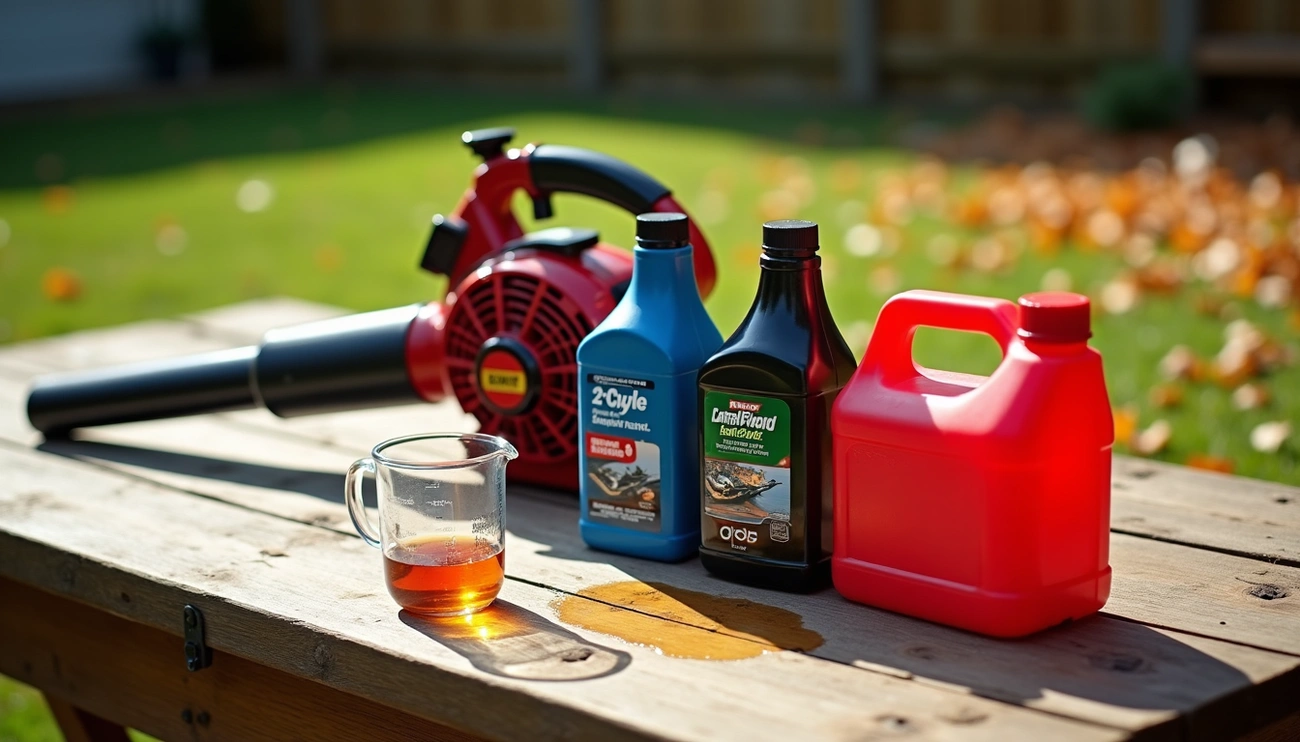
Most handheld gas blowers utilize two-cycle engines, which complete a full cycle in just two piston strokes and one crankshaft revolution. In contrast, some higher-end models feature four-cycle engines that separate the process into intake, compression, combustion, and exhaust phases. Four-cycle engines maintain separate chambers for oil and gas, eliminating the need for pre-mixing fuel.
How electric leaf blowers generate airflow
Electric leaf blowers work through a remarkably different mechanism. When electricity flows into the motor’s coils—either from a battery or outlet—it creates an electromagnetic field. This field interacts with permanent magnets in the motor, causing the shaft to rotate.
The rotating shaft powers the impeller (fan blades), which spins rapidly to generate centrifugal force. This force produces the outward air movement that becomes the powerful gust from your leaf blower. The speed of this rotation directly determines the strength of the airflow, typically measured in miles per hour (MPH) or meters per second (m/s).
Key differences in motor design
The most significant distinction between these systems lies in their power generation. Gas engines deliver consistent high power through combustion, making them suitable for heavy-duty tasks on large properties. Furthermore, gas blowers offer higher airflow speeds and cubic feet per minute (CFM) ratings compared to their electric counterparts.
Electric motors, meanwhile, provide cleaner operation with zero emissions. Battery-powered models specifically offer push-button starting and significantly lower maintenance needs—no fuel mixing, oil changing, or filter cleaning required.
These fundamental design differences ultimately affect everything from noise levels to weight distribution. Although gas models generate more power, they consequently produce more noise through their combustion process and additional components like mufflers and exhaust systems.
Performance comparison: electric vs gas leaf blower
When choosing between gas and electric leaf blowers, performance differences often determine which is best for your specific needs. Let’s examine how these two types stack up across key performance metrics.
Sweeping power and airflow
The primary job of any leaf blower is sweeping leaves into piles, and both types perform admirably. Gas models score slightly higher with an average rating of 4.6 out of 5.5 versus 4.4 for electrics. Nevertheless, this small difference doesn’t tell the whole story. The best electric models achieve identical scores to top gas blowers (5.2 out of 5.5). Primarily, the average is skewed because some budget electric models perform poorly, scoring as low as 0.5, whereas even the worst gas blower manages a respectable 3.7.
Loosening embedded debris
Removing leaves embedded in tall grass presents a greater challenge. Gas blowers typically excel here, earning an average score of 4.1 compared to 3.5 for electrics. Surprisingly, the very best electric models outperform gas, with top electrics scoring an impressive 5.5 versus 4.8 for the best gas models. This reveals that selecting the right electric model can actually deliver superior performance.
Vacuuming capabilities
If collecting and shredding leaves appeals to you, vacuuming capability matters. Currently, vacuum functions are uncommon across both types. Only a single battery-powered model in tests featured this capability, though it performed exceptionally well. Among gas models, just four offered vacuum functions, with only half performing adequately. For smaller yards, electric models with vacuum features tend to be more practical options.
Handling and weight balance
Regarding ergonomics and ease of use, electric models clearly lead the pack, scoring 4.4 on average for handling versus 3.6 for gas models. Gas blowers must accommodate heavier engines and fuel tanks, whereas electrics balance battery weight. Notably, electric blowers are typically lighter overall, making them less tiring during extended use. This weight difference becomes particularly important for residential users who prioritize comfort during yard maintenance sessions.
Additionally, many users find that gas blowers’ weight makes them more challenging to handle, particularly during prolonged use. USC and OSU testing revealed that electric models can weigh about ten pounds more than gas models and tend to be less ergonomically designed, which raises concerns for professionals using them throughout full workdays.
Are electric leaf blowers quieter?
The noise difference between electric and gas leaf blowers goes beyond simple decibel ratings. Ultimately, electric models are quieter, making them better suited for noise-sensitive environments.
Noise at the ear vs. 50 feet away
For users, gas-powered leaf blowers can reach 90-100 dB at the operator’s ear, requiring hearing protection since exposure to noise above 85 dB risks hearing damage. At 50 feet, gas models typically measure 65-85 dB, yet some powerful units exceed 100 dB.
Electric models produce significantly less noise – typically 60-75 dB both for corded and cordless variants. Even more telling, Consumer Reports testing found electric blowers score nearly twice as high for noise at the ear (2.9 vs 1.7 for gas). This difference grows remarkably at 50 feet, with electric models averaging 4.8 vs 2.5 for gas.
Low-frequency vs high-frequency sound
Perhaps more important than decibel ratings is the frequency profile. Gas models emit both low and high frequency noise, whereas electric blowers primarily produce high frequency sounds. This distinction matters enormously since low frequency waves travel much farther and penetrate walls, doors, and windows.
Hence, two leaf blowers with identical 75 dB ratings have vastly different noise footprints, with gas-powered units affecting many more homes. Studies show gas blower low frequency sound can persist at high levels up to 800 feet from the source, potentially impacting 90 surrounding homes versus just 6 for powerful electric models.
Impact on neighbors and urban settings
The World Health Organization recommends general daytime outdoor noise levels of 55 dBA or less. Gas blower noise can be particularly intrusive in residential settings since it travels through concrete walls.
Accordingly, many communities have enacted regulations limiting leaf blower operation times or banning gas models entirely. Battery-powered alternatives offer a more considerate option for urban neighborhoods, minimizing noise disturbance for residents.
Real-world decibel comparisons
Field experiments confirm the dramatic difference. The Arup research group found that when comparing gas and electric models with the same loudness rating, the gas blower’s low-frequency component created a much larger noise footprint.
Modern electric blowers now operate around 60 dB, comparable to normal conversation, whereas gas models regularly exceed 100 dB—equivalent to a passenger jet taking off. This stark contrast explains why electric options prove significantly more neighbor-friendly in residential settings.
Other factors to consider before choosing
Beyond the noise factor, several practical considerations come into play when deciding between gas and electric leaf blowers.
Battery life and runtime
Electric models typically provide 35-45 minutes of use with a single battery for everyday yard maintenance. On maximum power settings with turbo engaged, this drops to about 17 minutes. For extended work, you’ll need multiple batteries, effectively swapping batteries instead of refueling. Fortunately, high-capacity batteries like the 5.0Ah can deliver up to 90 minutes of runtime.
Maintenance and fuel costs
A standard gas backpack blower costs approximately $20 in fuel and oil to operate for 8 hours, versus just $2 in electricity for comparable electric models. Plus, electric blowers typically yield a return on investment within 2.5-3 years through reduced fuel, oil, and maintenance expenses. Despite higher upfront costs, long-term savings make electric options economically sensible.
Environmental impact and emissions
Gas-powered lawn equipment emitted over 30 million tons of carbon dioxide in 2020. Moreover, gas blowers burn only 60% of their fuel, with the remainder released as pollution. Two-stroke engines are particularly harmful, emitting nitrous oxide with nearly 300 times the warming impact of carbon dioxide.
Tool compatibility and battery platforms
Most manufacturers design their batteries to work across their entire tool lineup. EGO’s batteries, for instance, are compatible with all their outdoor equipment, likewise with DeWalt’s 20V batteries. This cross-compatibility creates substantial value through battery sharing between trimmers, chainsaws, and other tools.
Conclusion
After examining the evidence, electric leaf blowers undoubtedly offer a quieter alternative to their gas-powered counterparts. The difference extends beyond mere decibel ratings—electric models produce primarily high-frequency sound that doesn’t travel as far or penetrate walls like the low-frequency noise emitted by gas blowers. This makes electric models a considerably more neighbor-friendly choice in residential settings.
Battery technology continues to improve, though runtime limitations still present challenges for larger properties. Nevertheless, the convenience of push-button starting, lighter weight, and superior handling make electric models a practical choice for most homeowners. Additionally, the long-term cost savings from reduced maintenance and fuel expenses typically offset the higher initial investment within three years.
Environmental benefits further strengthen the case for electric options. Gas blowers release significant pollution through inefficient combustion, whereas electric models produce zero direct emissions during operation. Likewise, the cross-compatibility of batteries across tool platforms creates added value for homeowners who invest in a particular brand’s ecosystem.