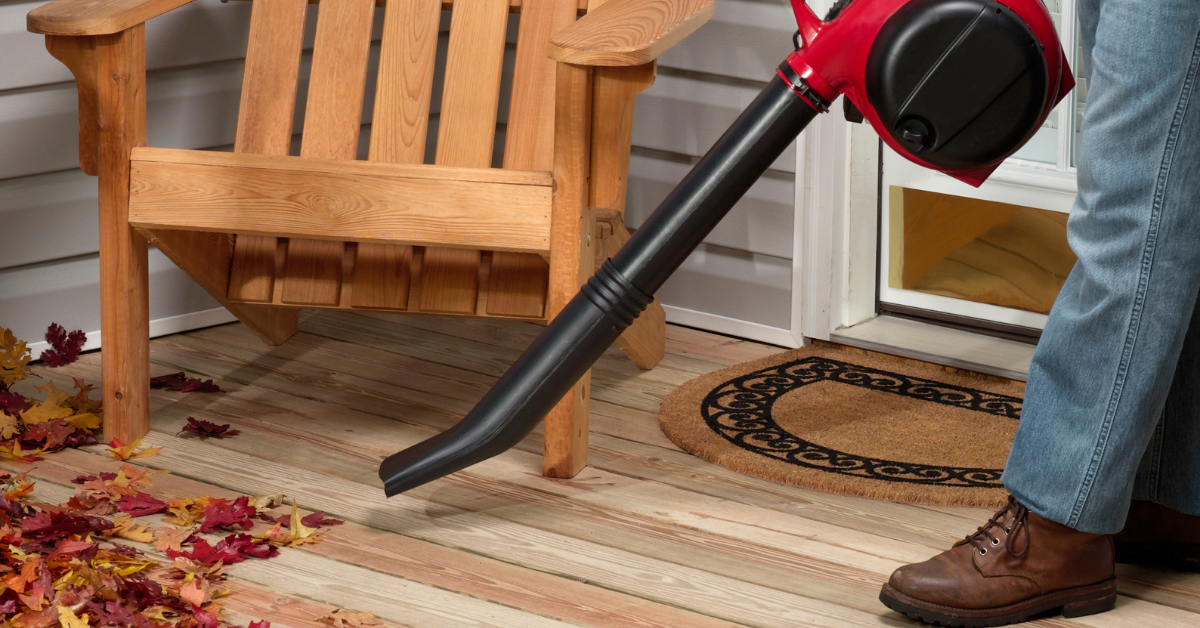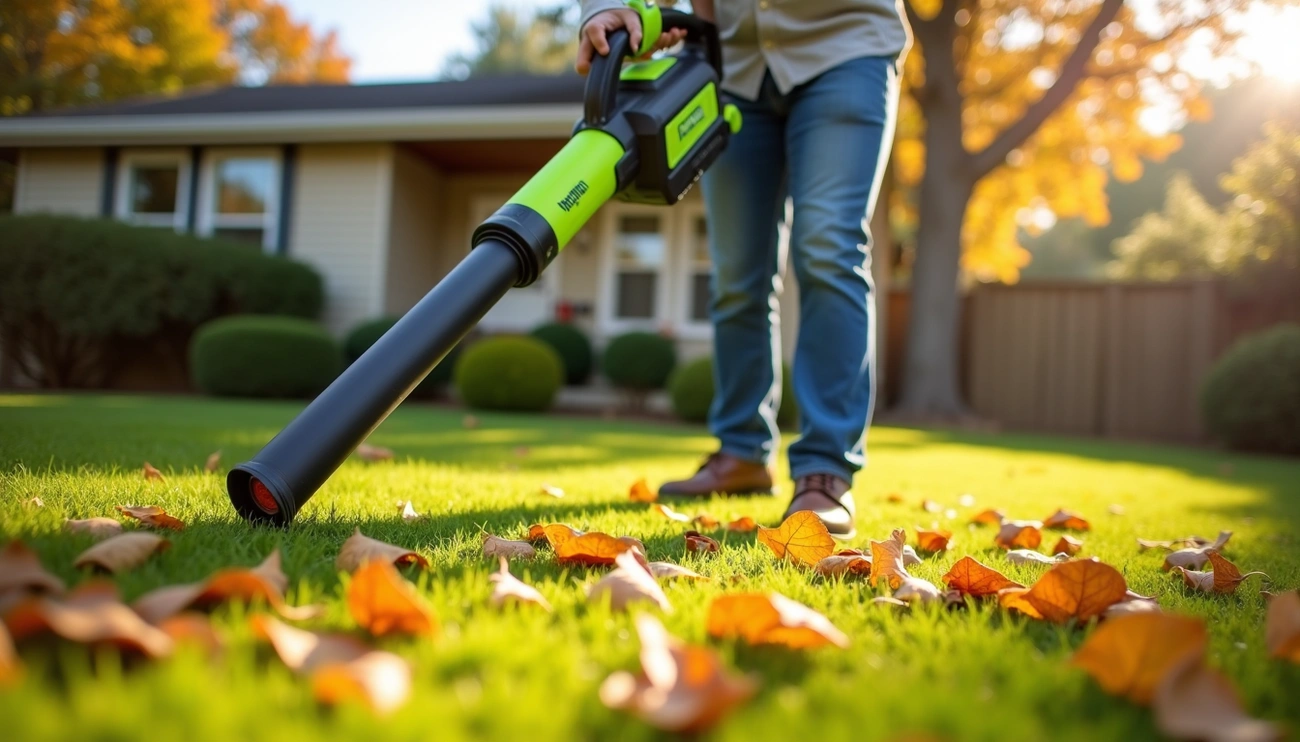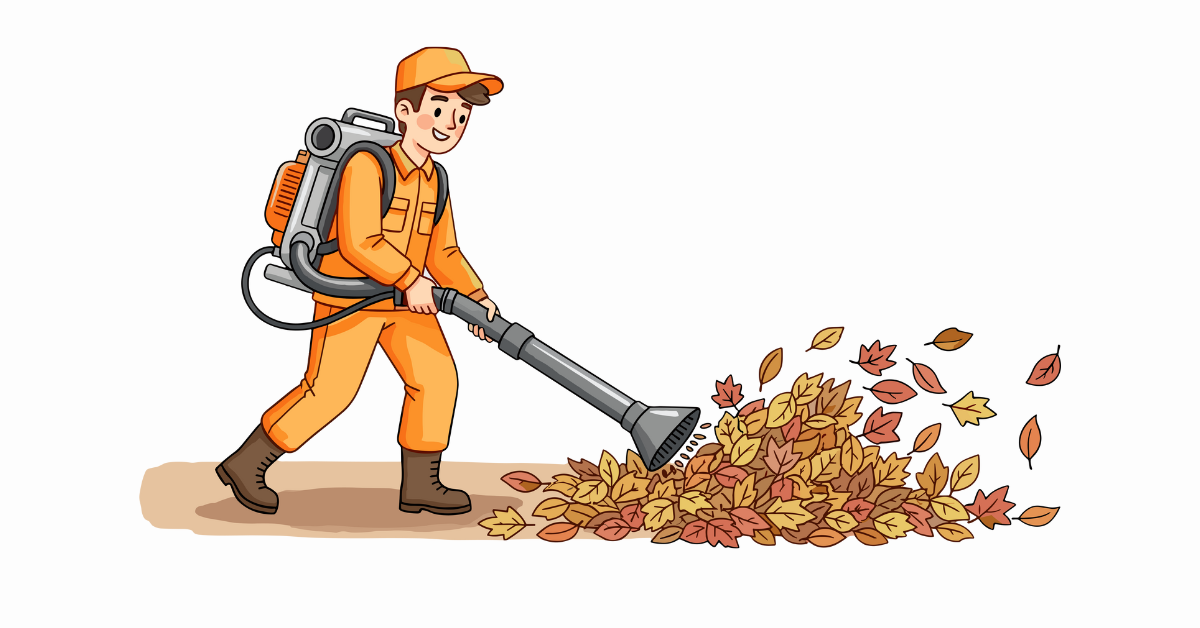
Yes, a leaf blower can damage a child’s hearing. Leaf blowers often produce noise levels above 100 dB, which exceeds the safe exposure limit of 85 dB. Prolonged or repeated exposure can cause permanent noise-induced hearing loss (NIHL). Children should wear hearing protection when nearby.
How loud is too loud for children?
Sound is measured in decibels (dB), and understanding these levels is essential for protecting your child’s hearing. Although adults can tolerate certain noise levels, children have smaller ear canals that amplify sound pressure, making them particularly vulnerable to hearing damage.
Understanding decibel levels
The threshold for safe listening is lower than many parents realize. While sounds at or below 70 dBA are generally considered safe for unlimited exposure, noise above this level can cause hearing damage over time. For context, normal conversation registers around 60 dBA.
The risk increases significantly at 85 dBA – approximately the sound of city traffic. At this level, damage becomes possible after eight hours of exposure. Furthermore, for every 3 dBA increase above 85, safe listening time gets cut in half. Therefore, a sound at 88 dBA should be limited to four hours, while 91 dBA exposure should not exceed two hours.
Common household and outdoor noise sources
Many everyday items produce potentially harmful noise levels:
- Safe range (below 70 dBA): Refrigerator (50-60 dBA), normal conversation (60-70 dBA)
- Moderate risk (70-85 dBA): Vacuum cleaner (60-95 dBA), dishwasher (60 dBA), washing machine (50-75 dBA)
- High risk (above 85 dBA): Blender (110 dBA), hair dryer (65-80 dBA), lawn mower (65-95 dBA)
Outdoor sounds can be particularly concerning, with traffic on busy urban streets often reaching between 70-85 dBA. Additionally, power tools and yard equipment frequently exceed safe listening thresholds.
Leaf blower noise compared to other sounds
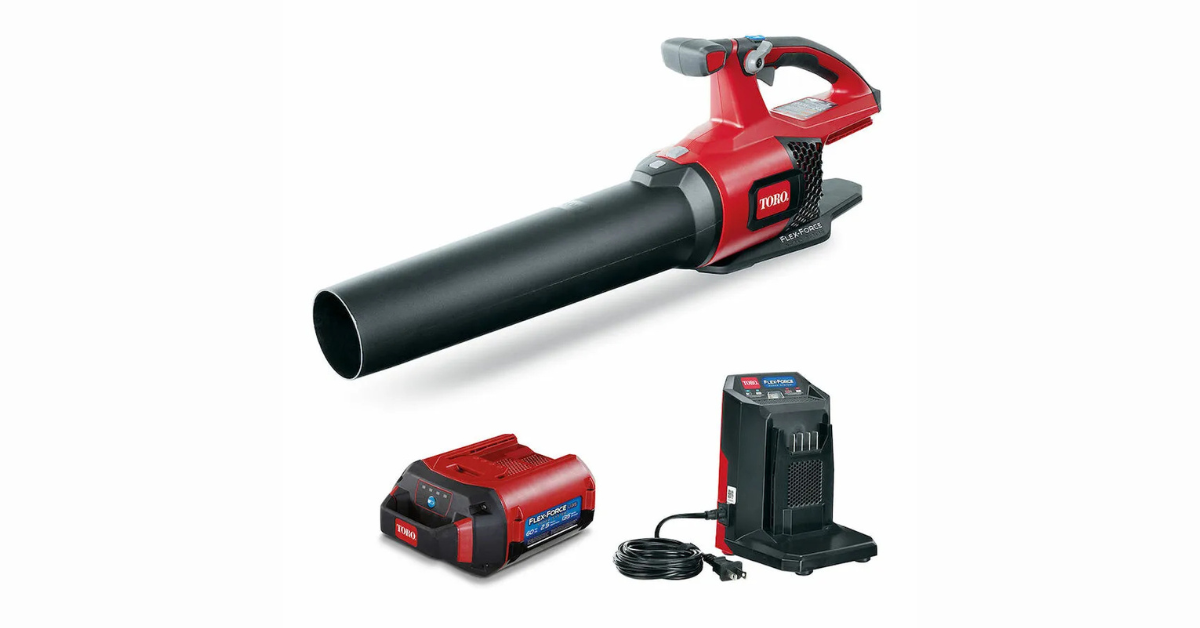
Leaf blower noise levels vary significantly between electric and gas models. Many electric leaf blowers are rated around 63-67 dBA, making them considerably quieter than their gas-powered counterparts. Nevertheless, some models can produce sounds reaching 110-120 dBA, which can damage hearing almost immediately.
For perspective, leaf blower noise often exceeds that of:
- Alarm clocks (80 dBA)
- Power tools (90 dBA)
- Busy restaurants (70-80 dBA)
The difference matters greatly. A leaf blower operating at 85 dBA might cause hearing damage after eight hours, yet one producing 100 dBA could harm your child’s hearing in merely 15 minutes.
How leaf blowers can cause hearing damage
Noise doesn’t just annoy us—it can permanently damage our hearing. Leaf blowers pose a genuine hearing hazard, consequently understanding how they cause damage is crucial for protection.
What is noise-induced hearing loss?
Noise-induced hearing loss (NIHL) occurs when loud sounds damage structures in your inner ear. This type of hearing loss cannot be medically or surgically corrected. According to CDC estimates, approximately 40 million American adults may have hearing loss resulting from noise exposure. NIHL can result from a single loud noise (like an explosion) or from continuous exposure to loud sounds over time.
How loud sounds damage inner ear hair cells
Your inner ear contains tiny sensory hair cells that convert sound energy into electrical signals for your brain. These delicate structures are easily damaged by excessive noise. Sounds from leaf blowers with a hose vacuum measure more than 100 dB—far exceeding the 85 dB threshold where damage begins. Once damaged, hair cells cannot grow back, resulting in permanent hearing loss.
Short-term vs long-term exposure effects
The damage timeline varies depending on exposure:
- Immediate damage: A single exposure to intense noise (acoustic trauma) can cause instant, permanent hearing loss.
- Gradual damage: Repeated exposure over time may cause symptoms that develop slowly. You might not notice the effects until weeks, months, or even years later.
Besides hearing loss, noise exposure can cause tinnitus (ringing in ears), increased stress hormones, and elevated blood pressure.
Why children are more vulnerable
Children face greater risks from leaf blower noise for several reasons. The American Academy of Otolaryngology reports three million children under 18 have hearing difficulties. Young ears are more sensitive, specifically because children’s ear canals are smaller, amplifying sound pressure. Moreover, children typically spend more time outdoors where they might encounter leaf blowers.
Operating a gas leaf blower can cause permanent hearing loss in just 2 hours. Even from 800 feet away, the sound remains potentially dangerous. This makes protection absolutely essential, primarily for children whose developing auditory systems are more susceptible to damage.
Warning signs of hearing loss in kids
Recognizing the early signs of hearing loss in your child is vital, primarily if they’ve been exposed to loud equipment like leaf blowers. Being vigilant can help you seek intervention before permanent damage occurs.
Difficulty hearing soft sounds
One of the earliest indications of hearing loss is when your child struggles to hear faint sounds. You might notice they don’t respond to whispers or quiet conversations across the room. Throughout daily interactions, observe if your child seems to miss certain sounds but respond to others. This selective hearing isn’t always due to inattentiveness—it might actually signal hearing difficulties. Even mild hearing loss can lead to speech and language development challenges.
Muffled or unclear speech
Another warning sign appears when your child perceives normal conversation as muffled or unclear. Pay attention if they frequently say “what?” or “huh?”. Children with hearing issues often have trouble following directions, which can be mistakenly interpreted as simply ignoring instructions. Obviously, kids who consistently respond inappropriately to questions might be experiencing hearing challenges rather than behavioral problems.
Tinnitus: ringing or buzzing in the ears
Tinnitus is surprisingly common in children—about one-third experience it at some point. This condition causes children to hear sounds like buzzing, ringing, humming, hissing, or clicking when no external source exists. Young children might not report these symptoms since they assume everyone hears these sounds. In rare cases, tinnitus can be severe enough to interfere with sleep and concentration at school.
Behavioral changes linked to hearing issues
Watch for these behavioral indicators:
- Irritability or unexplained frustration
- Academic difficulties or dropping grades
- Turning up TV or radio volume excessively
- Exhaustion after school from concentrating to understand speech
- Social withdrawal or difficulties with peers
Notably, children with hearing loss are more than twice as likely to develop behavioral disorders compared to those with normal hearing. In fact, even after treatment with hearing aids or cochlear implants, behavioral problems often persist.
How to protect your child’s hearing
Protecting your child from leaf blower noise is straightforward with the right approach and equipment. First and foremost, taking preventive steps now helps avoid ear damage from loud noise later.
Using ear protection like earmuffs or plugs
Proper hearing protection is essential whenever yard work is happening. Children-sized earmuffs or ear defenders are ideal as they’re comfortable and provide proper protection. Most importantly, make sure the protection fits properly—too loose and it won’t protect effectively.
Limiting exposure to loud tools and toys
Keep children indoors during yard work involving leaf blowers. Given these points, establish a safe distance—at least 50 feet away from any operating equipment.
Choosing quieter yard equipment
Electric or battery-powered leaf blowers typically produce less noise than gas models. In addition to being quieter, many newer models are designed with noise reduction features.
Teaching safe listening habits
Help children understand what “too loud” means. For instance, if they need to raise their voice to be heard, the environment is likely too noisy.
Understanding leaf blower noise restrictions
Many communities have ordinances limiting when leaf blowers can be used. To that end, check local regulations—some areas restrict usage during certain hours or ban particularly loud models entirely.
Conclusion
Protecting our children’s hearing from leaf blower noise requires both awareness and action. Throughout this article, we’ve seen how these common yard tools can produce dangerously high noise levels—often exceeding 100 decibels. This poses a real threat, especially since children’s smaller ear canals actually amplify sound pressure, making them more susceptible to damage.
The facts speak for themselves. Noise-induced hearing loss affects millions of Americans, yet remains largely preventable. Once damaged, inner ear hair cells never regenerate, therefore permanent hearing loss becomes the unfortunate result. Parents should remain vigilant for warning signs like difficulty hearing soft sounds, unclear speech perception, or unexplained behavioral changes.
Thankfully, practical solutions exist. Properly fitted earmuffs offer excellent protection for children who must be outdoors during yard work. Another effective strategy involves keeping children indoors while leaf blowers operate nearby. Choosing quieter electric models over louder gas-powered equipment likewise reduces risk significantly.