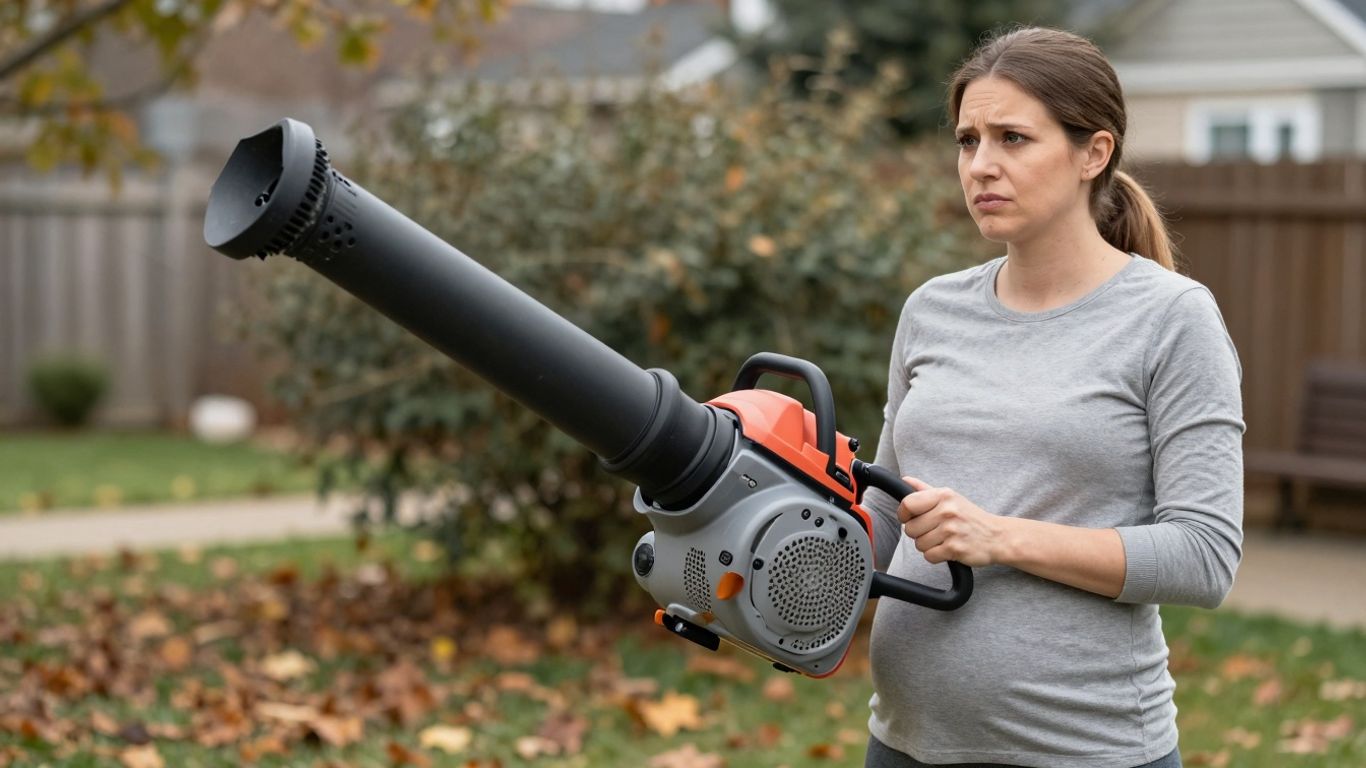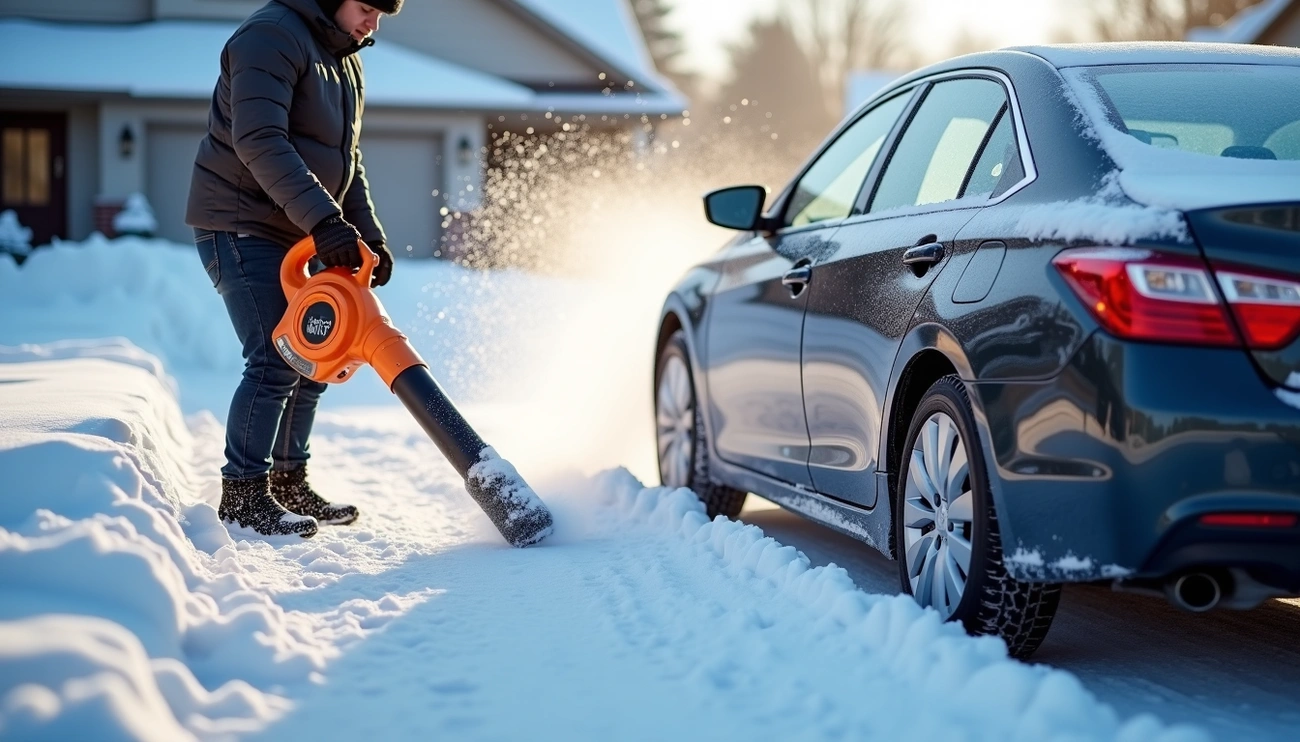
Yes, you can use a leaf blower on snow, but only for light, powdery snow 1–3 inches deep. Leaf blowers work best on dry snow over hard, flat surfaces like driveways, decks, cars, and steps. Do not use a blower on wet, heavy, or packed snow because it is ineffective and can damage the machine.
When Can You Use a Leaf Blower on Snow?
The effectiveness of a leaf blower for snow removal depends primarily on specific conditions. Understanding these factors will help you determine whether to reach for your blower or stick with traditional snow removal methods.
Ideal snow conditions: light and fluffy
Leaf blowers perform best against freshly fallen, dry snow. Tool specialists and experienced landscapers confirm that leaf blowers work effectively on light, dry, and fluffy snow. This powdery consistency allows the high-velocity airstream to easily lift and displace the snow without much resistance.
Timing plays a crucial role in success. For optimal results, use your leaf blower within 1-2 hours of the end of snowfall. Once snow begins to settle or compact, it becomes notably more difficult to move with air pressure alone.
Snow depth matters: under 4 inches.
The depth of snow significantly impacts your leaf blower’s effectiveness. Most experts recommend using leaf blowers only when snow accumulation is less than 3-4 inches deep. In a real-world test conducted in January 2025, a 480 CFM cordless blower successfully cleared a driveway covered with 2 inches of powder snow in just 11 minutes.
For deeper snow, you might still have limited success by clearing it in layers, though this approach is considerably less efficient. As one homeowner noted, a leaf blower might work on deeper snow until it piles up beyond 6 inches, but even mid-density powder would likely compress before it could be moved effectively.
Temperature considerations for effectiveness
Temperature is perhaps the most critical factor determining success. Always use a leaf blower when temperatures are below freezing. This ensures the snow remains dry and powdery rather than wet and heavy.
The science behind this is straightforward – in below-freezing temperatures, snow maintains its light, crystalline structure. As temperatures rise near or above freezing, snow begins to melt slightly, increasing its moisture content and weight. In fact, efficiency drops by approximately 65% when snow partially melts and its moisture content increases.
One important caution: while it works well for thin layers of snow, using a leaf blower on wet, heavy snow will likely result in frustration and wasted effort.
What Type of Leaf Blower Works Best?
Choosing the right equipment makes all the difference when attempting leaf blower snow removal. Let’s explore which options perform best for this unconventional winter task.
Gas vs electric blowers
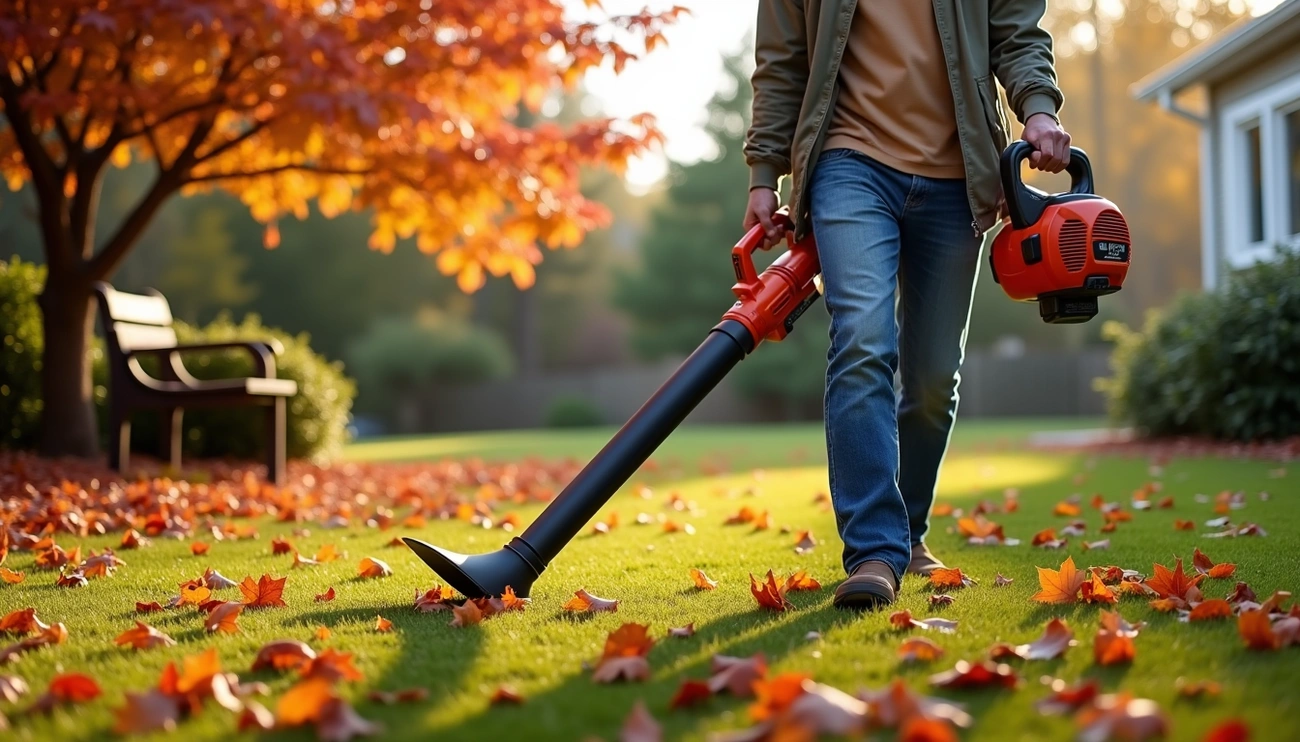
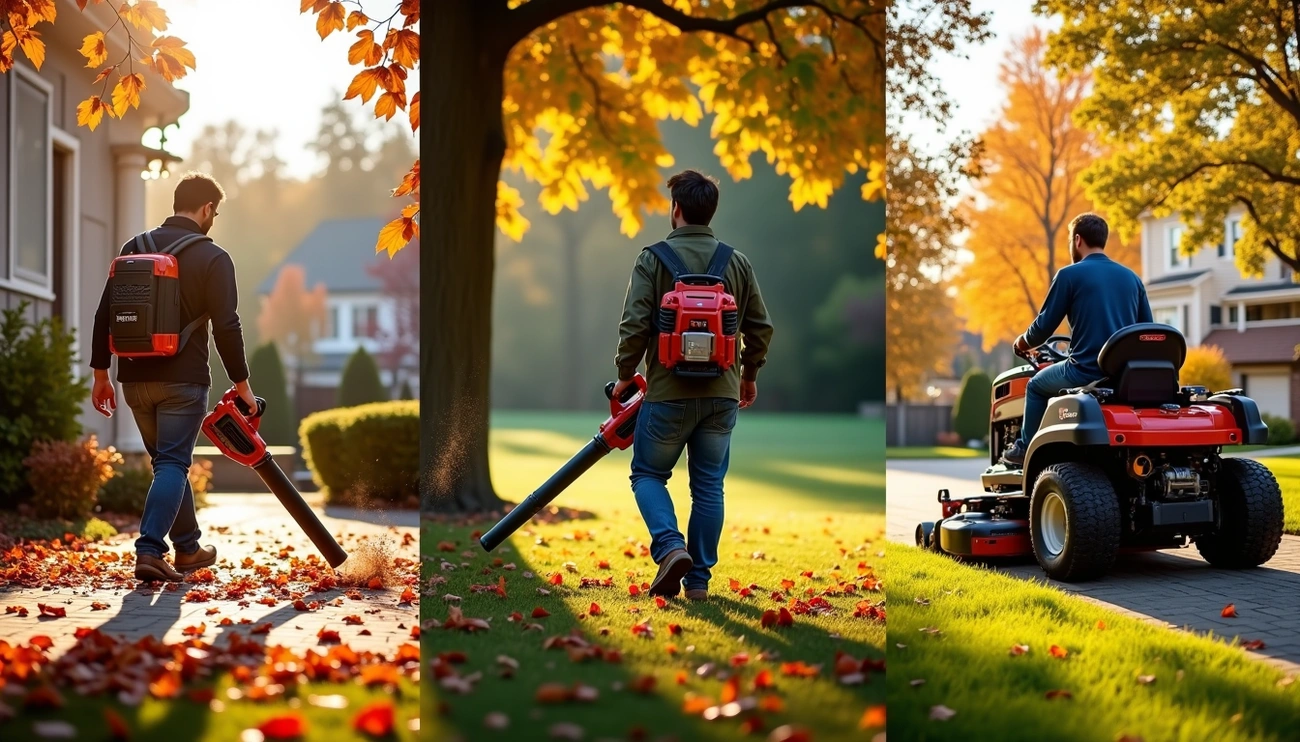
Gas-powered leaf blowers once dominated the market, primarily due to their portability and power. Nevertheless, they come with significant drawbacks – they require regular maintenance, produce emissions, and generate considerable noise. Furthermore, many towns have either banned them completely or regulated when they can be used.
Electric models offer compelling advantages for snow-clearing operations. They’re typically lighter, require almost zero maintenance, and run more efficiently. While corded electric blowers offer unlimited runtime and rank among the most powerful options, their range is limited by the cord length. For snow removal specifically, this constraint can be problematic when clearing larger areas.
Battery-powered options
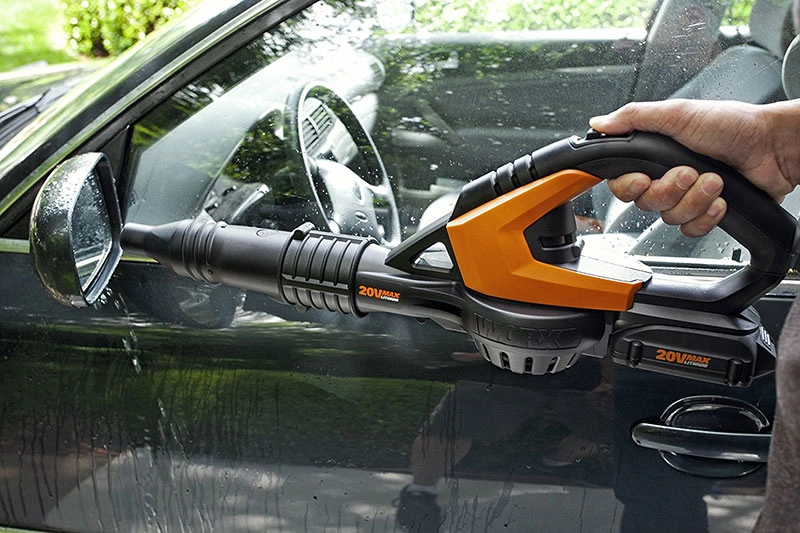
Battery technology has advanced dramatically, making cordless leaf blowers increasingly viable for snow removal. These models offer the mobility of gas without the emissions, maintenance headaches, or ear-splitting noise.
Most battery-powered units provide 20-30 minutes of runtime per charge. Consequently, having a second battery ready can be crucial for completing larger jobs. Popular brands like EGO, Greenworks, and Milwaukee consistently earn praise from users who successfully clear light snow with these tools.
Price points vary substantially, with quality cordless options ranging from $90 to $650, depending on power output. While initially more expensive than gas models, the reduced long-term costs of battery-powered units (no gas or oil purchases) make them increasingly economical.
Using car dryers as an alternative
Car dryers are often-overlooked options for removing snow, especially from vehicles. These specialized blowers deliver heated, filtered air that can simultaneously remove snow while helping defrost icy patches.
The BLO Car Dryer, for instance, features a convenient 26-foot hose that allows thorough coverage around a vehicle. Ultimately, both traditional leaf blowers and car dryers work effectively on light, fluffy snow – just ensure you’re using appropriate attachments for maximum efficiency.
Risks of Using a Leaf Blower for Snow Removal
While leaf blower snow removal might seem convenient, it’s essential to understand the potential risks to your equipment. Attempting this unconventional method without proper precautions could lead to costly damage.
Engine damage in cold weather
Leaf blowers utilize air-cooled engines designed primarily for warm-weather operation. Using them in freezing temperatures can harm the internal cylinder, preventing proper compression.
Subsequently, your blower may stall, consume excess fuel, lose power, and eventually fail to start altogether. Moreover, experts recommend a proper warm-up period before going full throttle in winter to avoid engine seizing.
Fuel line shrinkage and leaks
The cold presents another serious hazard to your equipment. Fuel lines in leaf blowers are typically made of rubber or plastic, materials that are not intended for cold-weather exposure. Accordingly, winter use often causes these components to shrink, creating leaks from the fuel tank. This not only wastes expensive fuel but also poses a significant safety hazard since gasoline is highly flammable.
Electric motor risks from moisture
Electric blowers face unique challenges in snowy conditions. Moisture can infiltrate the motor, potentially causing short circuits. For corded models, this presents a genuine shock hazard.
Always connect to a GFCI (ground-fault circuit interrupter) outlet when using electrical equipment near snow. Even battery-powered users report experiencing static shocks during operation.
Reduced blower efficiency in wet snow
Beyond equipment damage, performance suffers dramatically in less-than-ideal conditions. Once snow becomes wet or partially melted, blower efficiency drops approximately 65%.
Temperatures above 32°F create snow that’s simply too heavy and damp for standard leaf blowers to move effectively. Even with dry snow, the tool struggles with accumulations exceeding 4 inches.
Expert Tips for Safe and Effective Use
Safety remains paramount when using a leaf blower for snow removal. Following these expert recommendations ensures both your well-being and the protection of your equipment.
Use a GFCI outlet for electric blowers.
Electricity and water create a dangerous combination. Whenever using an electric leaf blower near snow, always plug it into a Ground Fault Circuit Interrupter (GFCI) outlet. This safety device quickly cuts power if it detects a ground fault, preventing potential electrical shocks. For outdoor areas lacking GFCI outlets, portable adapters provide similar protection.
Avoid using it in windy conditions.
Blowing snow against strong winds creates a frustrating and counterproductive experience. You’ll likely end up covered in the very snow you’re trying to remove. Instead, wait for calm conditions or work with the wind direction to maximize efficiency.
Try different nozzle attachments.
Round nozzles deliver greater air volume, making them ideal for loose, fluffy snow. Conversely, flat nozzles generate higher air speed (MPH), making them perfect for tackling slightly heavier or stubborn snow patches. Having both attachments prepares you for varying snow conditions.
Keep your car clean and coated.
For vehicles, leaf blowers offer a scratch-free option for snow removal. Start by clearing your car before tackling driveways or walkways. This approach prevents snow compression beneath tires while ensuring safer driving visibility.
Use for small areas, such as cars and porches.
Front porches, decks, steps, and entryways respond particularly well to leaf blower snow removal. These smaller areas typically accumulate less snow depth while benefiting from quick clearing before compression occurs.
Conclusion
Using a leaf blower for snow certainly works under the right conditions. Throughout this guide, we’ve seen how this unconventional method can save time and effort when dealing with light, fluffy snow less than 4 inches deep. However, this approach comes with clear limitations.
Temperatures must remain below freezing for optimal results, since any snow with high moisture content will resist even the most powerful blowers. Additionally, your equipment choice matters significantly – battery-powered models offer an excellent balance of power, convenience, and maintenance-free operation for most homeowners.
Remember those risks we discussed about potential damage to your equipment. Cold weather can harm engines, shrink fuel lines, and create moisture problems for electric motors. Therefore, proper precautions, such as using GFCI outlets and warming up gas engines, become essential safety practices.