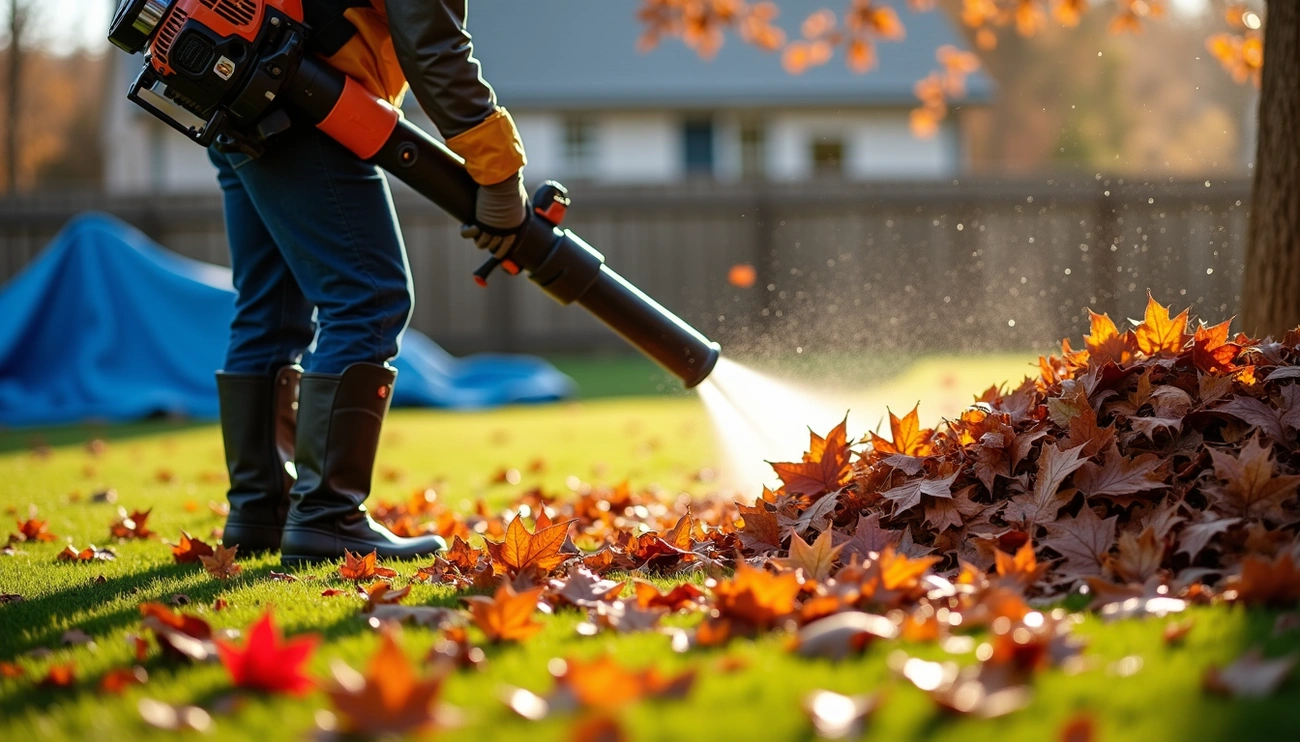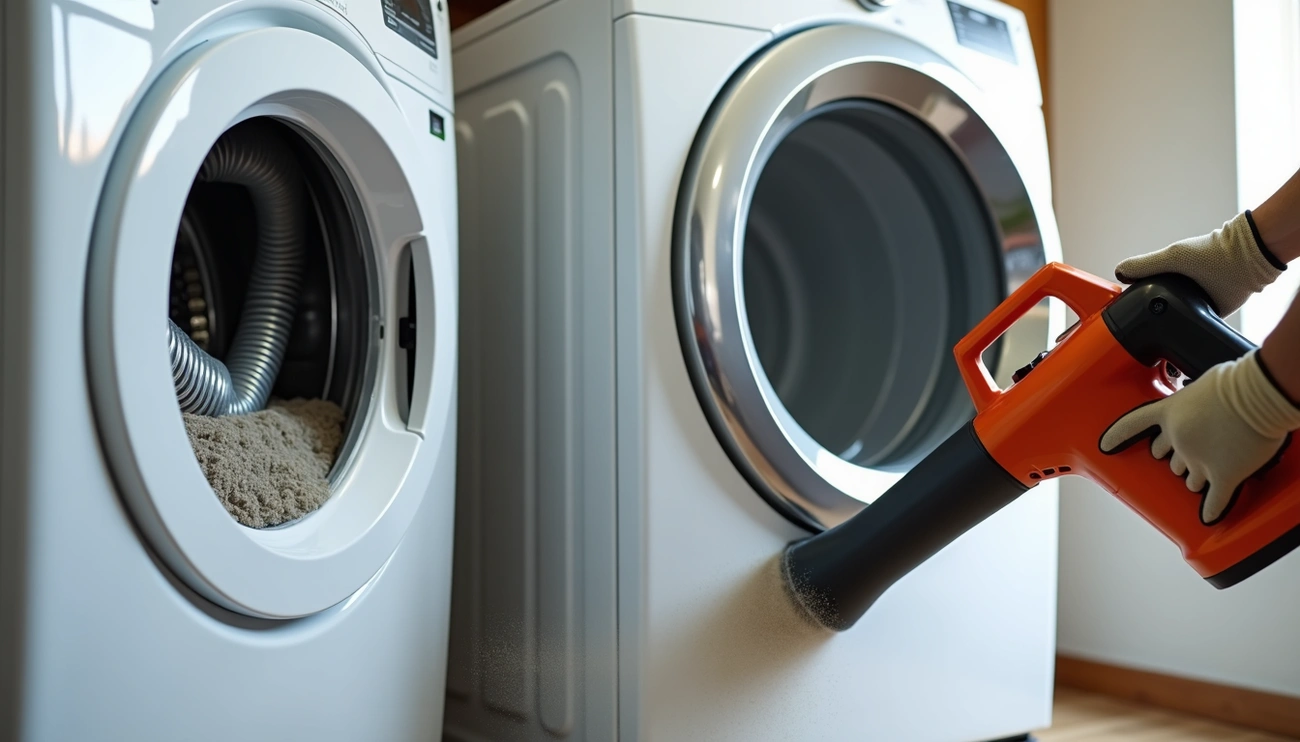
Yes, you can use a leaf blower to clean a dryer vent, especially for short, straight ducts. Seal the blower to the vent opening and blow air from inside to outside. Combine blowing with brushing for best results, as lint can stick to curved ducts or loosen weak joints.
Why dryer vent cleaning matters
Regular dryer vent maintenance isn’t just a good housekeeping practice—it’s a crucial safety measure that protects your home, family, and finances. Beyond the convenience of having clean clothes, proper vent maintenance addresses several serious concerns.
Fire hazards from lint buildup
Lint accumulation creates a dangerous fire risk that many homeowners underestimate. According to the U.S. Fire Administration, approximately 2,900 dryer-related fires occur annually, resulting in about 5 deaths, 100 injuries, and $35 million in property loss. Even more alarming, failure to clean the dryer (34%) stands as the leading cause of these fires.
The National Fire Protection Association reports about 13,820 home fires caused by clothes dryers each year, with roughly 27% attributed directly to lint buildup. This isn’t surprising considering lint’s highly flammable nature. As it collects in your venting system, it creates perfect kindling for a potential fire, with risks peaking during winter months, specifically January.
Reduced dryer efficiency and higher energy bills
A clogged vent forces your dryer to work significantly harder than necessary. Since dryers already consume approximately 6% of a household’s annual electricity, this inefficiency creates a noticeable financial impact.
Furthermore, blocked vents extend drying cycles dramatically, sometimes requiring multiple runs for a single load. According to the U.S. Department of Energy, dryers with clogged vents can use up to 30% more energy. This not only increases utility bills but also places excessive strain on the appliance’s components, leading to premature breakdown and costly repairs.
Signs your dryer vent may be clogged
Recognizing warning signs early can help prevent both safety hazards and energy waste. Be alert for these common indicators:
- Clothes remain damp after a complete drying cycle
- The dryer exterior feels unusually hot during operation
- You notice a burning or musty smell when running the machine
- Lint appears around the dryer door or external vent opening
- No visible exhaust air comes from the outdoor vent
- Your laundry room becomes excessively warm or humid
Additionally, if you observe the exterior vent flap barely opening during operation, this often indicates restricted airflow caused by significant blockage. Taking action at the first sign of these symptoms can prevent more serious complications down the road.
Can you use a leaf blower to clean dryer vent?
Many DIY enthusiasts wonder about using leaf blower to clean dryer vent as a quick solution to this household maintenance task. However, this method isn’t universally applicable and comes with important considerations.
When it’s safe to use a leaf blower
A leaf blower can be effective for dryer vent cleaning under very specific circumstances. First, your vent must be relatively short—typically no more than a couple of feet in length. The blowing force simply isn’t strong enough to push lint through longer distances. Moreover, the vent line should have smooth metal interior walls rather than textured surfaces where lint can adhere.
The process itself is straightforward: after disconnecting the duct from the wall, you use the leaf blower to force compressed air through the system, ideally blowing accumulated lint out the other side. This approach offers several advantages—it’s fast (taking just 10-15 minutes), convenient if you already own a leaf blower, and costs nothing extra.
Types of vents that work best with this method
Not all vent configurations are suitable for leaf blower dryer vent cleaning. The ideal setup includes:
- A short, straight vent with no bends or curves
- Smooth metal interior walls
- No screens on exterior walls (or screens that can be easily removed)
- Simple, direct path from dryer to exterior
These characteristics allow the airflow to travel unimpeded through the entire vent system, maximizing the cleaning effect. Nevertheless, even in ideal conditions, a leaf blower typically cannot match the thoroughness of professional cleaning equipment.
When to avoid using a leaf blower
You should never use this method if your vent:
- Has multiple twists, turns, or angles
- Contains accordion-style flexible ducting where lint collects in the folds
- Extends more than a few feet in length
- Features a non-removable mesh screen over the outside opening
In these situations, the leaf blower may actually worsen the problem by compacting lint into dense plugs that obstruct airflow. This creates a more dangerous situation than before, possibly leading to fire hazards or damaging the vent structure itself.
Step-by-step: How to clean dryer vent with leaf blower
Let’s dive into the practical step-by-step process of using a leaf blower for dryer vent cleaning. This method works best for short, straight vents with minimal turns.
1. Unplug and move the dryer
First, disconnect your dryer from the power source and turn off the gas supply if applicable. Subsequently, pull the dryer about one foot away from the wall to create enough working space. This is a crucial safety step before attempting any maintenance work.
2. Disconnect the vent hose
Locate the flexible hose connecting your dryer to the wall vent. Depending on your dryer’s design, you might need a screwdriver to loosen any clamps or fasteners securing the hose. Gently remove the vent hose from the wall connection.
3. Remove the outside vent cover
Step outside and locate your dryer’s exterior vent, typically a small flap or grill on your home’s exterior wall. Remove the cover using a screwdriver if necessary. This step is essential as the cover might get damaged from the air pressure created by the leaf blower.
4. Clean the vent cover and surrounding area
Once removed, clean the vent cover thoroughly using a brush or vacuum to eliminate any accumulated lint. Consider this an opportunity to clear debris that could restrict airflow.
5. Insert and seal the leaf blower nozzle
Back inside, place the leaf blower nozzle into the wall vent opening. Create a tight seal around the nozzle using duct tape or a towel to prevent air leakage and maintain pressure within the vent system.
6. Run the blower and check for lint output
Give the leaf blower a short test blast, then run it for about 30 seconds. Head outside to check—if effective, you’ll see lint being expelled from the exterior vent. This visual confirmation indicates successful cleaning.
Post-cleaning and safety tips
After successfully using a leaf blower for dryer vent cleaning, completing these final steps ensures your appliance runs safely and efficiently.
Reattach the vent and test the dryer
Initially, reconnect the vent hose to both the dryer and wall, securing it firmly with clamps. Plug your dryer back in, turn on the gas valve if applicable, and carefully slide the appliance back into position. Run a brief 15-minute test cycle to clear any remaining debris and verify proper operation.
Check for leftover lint or blockages
Following your test run, inspect the external vent cap for unobstructed airflow. If the dryer still shows poor performance, you might have inadvertently pushed lint deeper into a bend. Check the airflow sensor for dust, ensure all connections are secure, and verify the exterior vent opening functions correctly.
How often to clean your dryer vent
Cleaning frequency varies based on household circumstances:
- Annually: Minimum recommended cleaning interval for most homes
- Every 3-6 months: For large families, pet owners, or frequently used dryers
- Every 1-3 years: For rarely used dryers or simple vent systems
Manufacturers often require annual cleaning to maintain warranty coverage.
When to call a professional
Certainly consider professional cleaning if your vent system has multiple turns, extends beyond several feet, or shows significant blockage. Annual professional inspection ensures thorough cleaning and prevents fire risks, as DIY methods sometimes miss hard-to-reach areas that specialized equipment can access.
Conclusion
Using a leaf blower for dryer vent cleaning offers a practical DIY solution, though it comes with important limitations. Throughout this guide, we’ve seen that this method works effectively for short, straight vents with minimal bends and smooth interior walls. However, complex vent systems with multiple turns or extending several feet generally require professional attention.
Safety must remain your primary concern when maintaining dryer vents. Lint buildup creates serious fire hazards, with thousands of dryer-related fires occurring annually. Therefore, regular cleaning—whether DIY or professional—should become part of your home maintenance routine.
The step-by-step process we’ve outlined helps you tackle this task safely when appropriate for your specific vent configuration. Still, be honest about your vent system’s complexity. If you notice persistent drying problems after attempting this method, your dryer likely needs professional service.