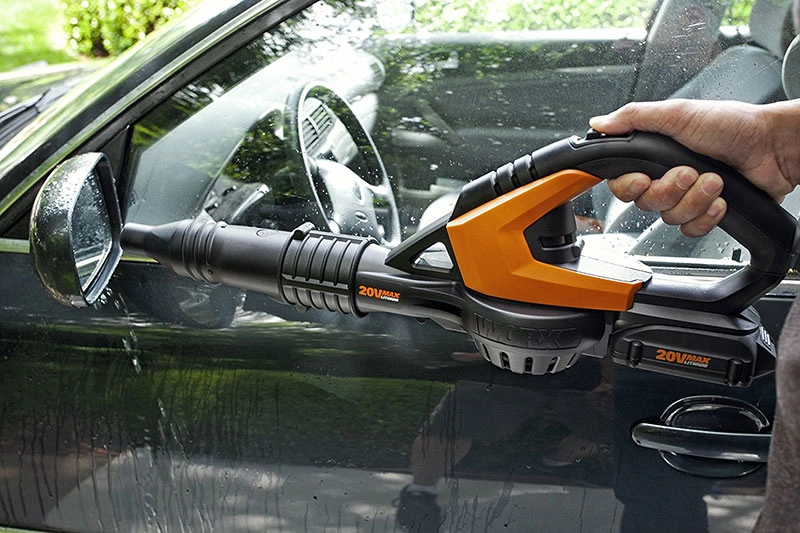
Yes, you can use a leaf blower to dry your car. Car enthusiasts and professional detailers use leaf blowers to remove water without touching the paint. This method reduces water spots, prevents scratches, and safely dries hard-to-reach areas like mirrors, trim, and badges.
Why Some Car Owners Use a Leaf Blower
Many automotive enthusiasts have discovered that using a leaf blower to dry their vehicles offers several distinct advantages over traditional methods. Let’s examine why this technique has gained popularity among car owners who prioritize maintaining their vehicle’s appearance.
Avoiding swirl marks and scratches
The primary motivation for using a leaf blower is eliminating physical contact with the paint surface. Despite using the plushest microfiber towels, each touch carries potential risk of damage to your car’s clear coat. Even after thorough rinsing, cloth drying always presents the danger of transferring microscopic dirt particles that can act like sandpaper against your paint.
By using a leaf blower, you create a completely contactless drying experience. The steady air blast removes water droplets without any physical interaction with the paint. This zero-contact approach drastically reduces the risk of developing those dreaded micro-scratches and swirl marks that diminish your vehicle’s shine. Additionally, this method proves especially beneficial for ceramic-coated or freshly detailed cars where water beads and sheets off more easily.
Reaching tight spots like mirrors and grilles
Another significant benefit comes from the blower’s ability to access difficult areas. Many vehicles have spots where water naturally collects and refuses to budge with towel drying. Side mirrors, emblems, door handles, and intricate grilles often become hidden water reservoirs.
Even after thorough towel drying, these areas can later release streams of water that create frustrating streaks down your freshly cleaned car. A leaf blower effectively forces water out from lug nut holes, badges, door jambs, and other tight crevices where towels simply cannot reach.
Faster drying for large vehicles
For owners of trucks, SUVs, and other large vehicles, leaf blowers offer considerable time savings. The method is notably quicker and more efficient than traditional towel drying, particularly on vehicles with extensive surface area.
The process requires less physical effort as well. Using a blower reduces strain on your arms and back, making the drying experience more comfortable and enjoyable, especially when dealing with larger vehicles. Consequently, what was once considered the most tedious part of car washing becomes quicker and more satisfying.
Moreover, for those with time constraints, a leaf blower provides an expedient solution that thoroughly dries the vehicle without sacrificing quality.
How to Dry a Car with a Leaf Blower Safely
Proper technique makes all the difference when using a leaf blower to dry your car. Following these systematic steps ensures both safety and effectiveness throughout the process.
Start from the top and work down
Always begin at the highest point—your car’s roof. This methodical approach prevents water from dripping onto areas you’ve already dried. Once the roof is dry, move to the hood, windows, and finally the lower panels. This gravity-friendly sequence creates an efficient workflow that saves time and energy.
Use angled airflow to push water off
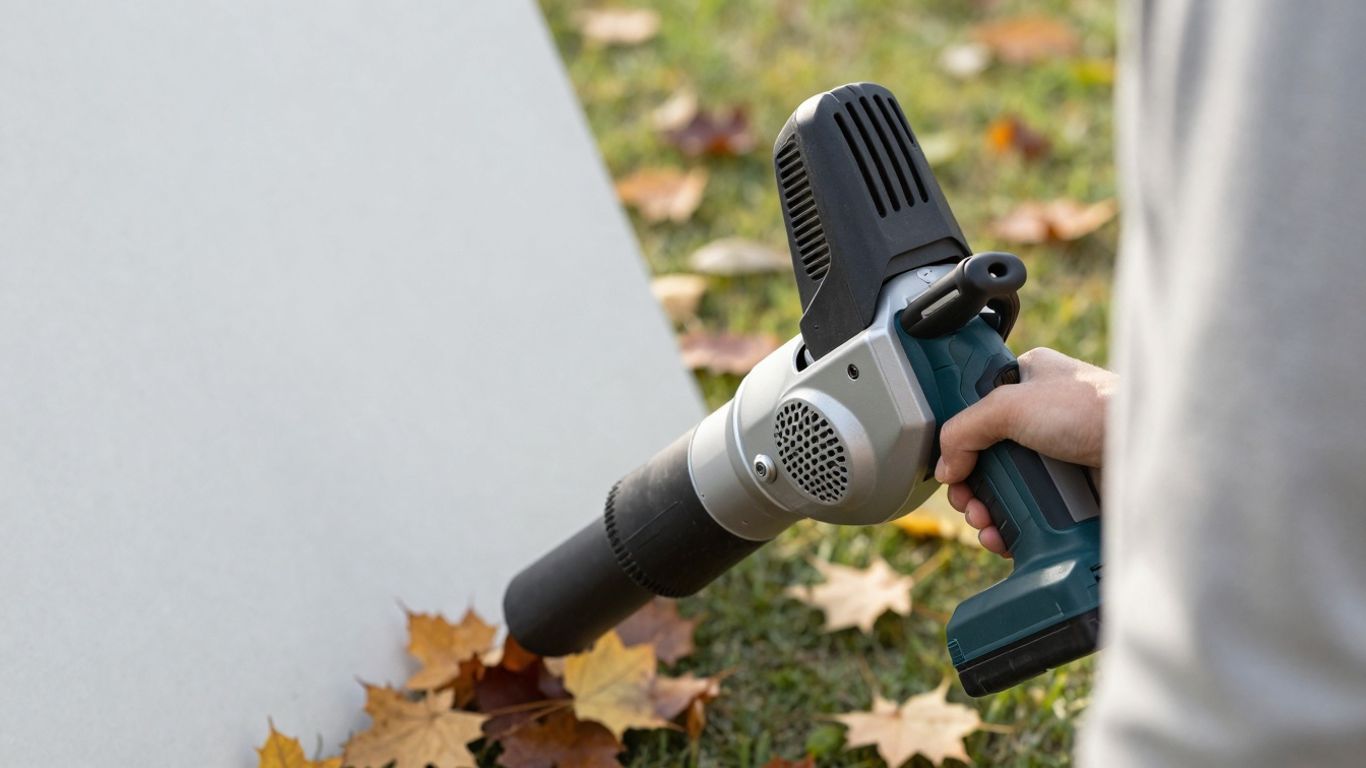
Hold your blower at approximately 6-12 inches from the surface. Direct the airstream at an angle rather than perpendicular to the panel, which pushes water off rather than simply dispersing it. This technique works best when you maintain a consistent motion, guiding water toward the edges of each panel.
Avoid blowing dust from the ground
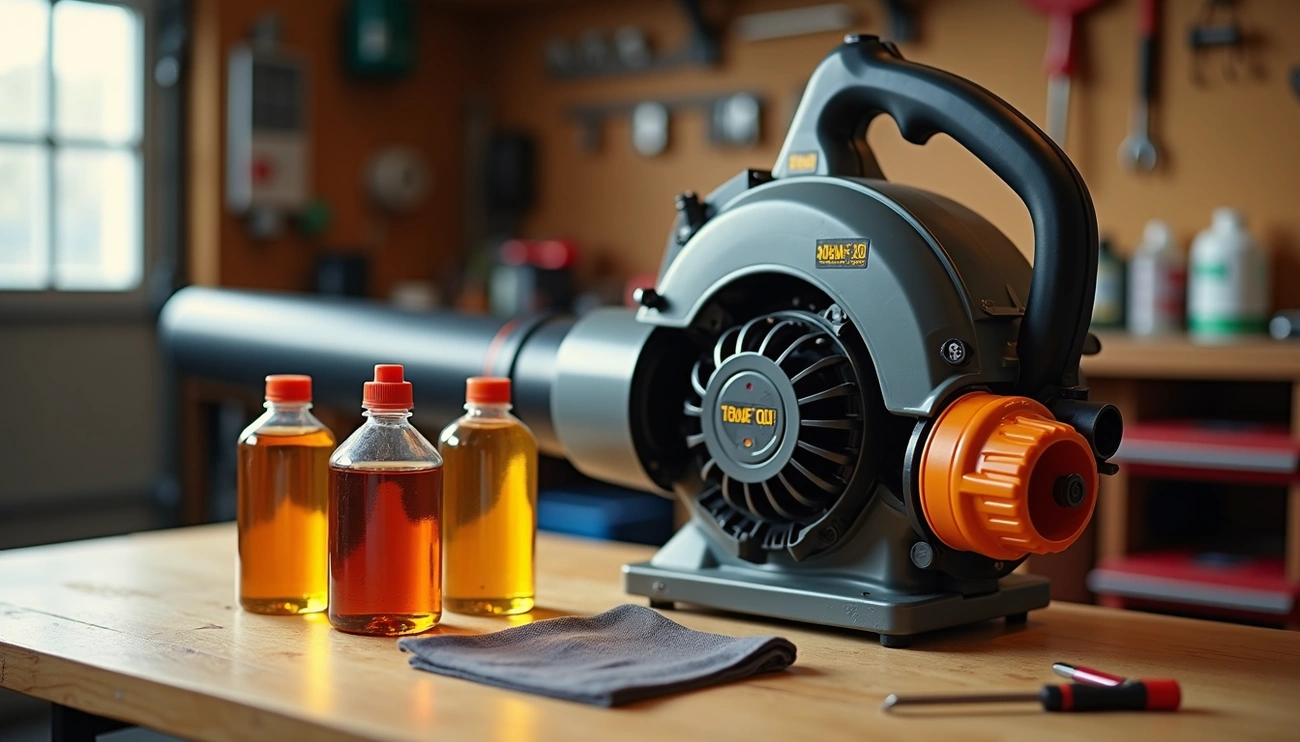
One common mistake involves inadvertently blasting dirt onto your freshly washed car. Prior to starting, wipe down your blower and run it briefly to expel any internal dust. Throughout the process, remain vigilant about potential contaminants. Cheap or unfiltered blowers can kick up dust or sand, so opt for models with proper filtration. Never point the blower toward the ground first, as this can propel rocks or grit upward onto your clean surfaces.
Focus on water-trap areas like emblems and seals
Pay special attention to spots where water collects—door handles, mirrors, emblems, and grilles. For these areas, a narrow nozzle attachment works best. Water trapped in these crevices often emerges later during driving, creating frustrating streaks down your clean car. Take time to direct airflow into these hard-to-reach places, including wheel wells and door jammers. Remember to be mindful of wind direction, adjusting your position if natural air currents are blowing water back onto already dried surfaces.
Choosing the Right Leaf Blower for Car Drying
Selecting the ideal leaf blower for car drying requires consideration of several key factors that can significantly impact both safety and effectiveness.
Electric vs gas-powered models
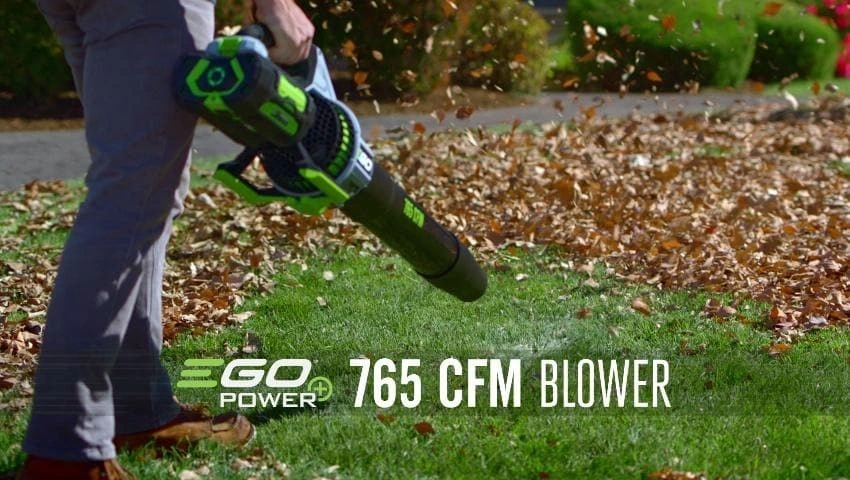
Electric leaf blowers are the preferred choice for car drying. Unlike their gas counterparts, electric models eliminate the risk of exhaust emissions and oil vapor that could potentially contaminate your freshly washed vehicle. Gas blowers might offer higher power output, but they also produce significant noise—averaging much lower scores for noise at the ear (1.7 vs 2.9 for electric) and at 50 feet (2.5 vs 4.8). Electric options generally provide sufficient power while being lighter and easier to handle.
Importance of air filters
A proper air filter is non-negotiable when using a leaf blower on your car. Without filtration, you risk blowing dust and debris directly onto your paint—essentially sandblasting your vehicle. Clean air ensures your drying process doesn’t introduce new contaminants that could cause scratches or swirl marks. Therefore, always verify your blower has adequate filtration before using it on your vehicle.
Corded vs cordless options
Cordless models offer unparalleled mobility but typically provide limited runtime—some models last only 10-15 minutes on a charge. Nonetheless, this is usually sufficient for drying a single vehicle. Corded electric blowers deliver unlimited runtime at the cost of restricted movement. For garage use where outlets are available, corded models work excellently; whereas cordless options shine in driveways without nearby power sources.
Nozzle attachments and airflow control
Specialized attachments dramatically improve blower effectiveness for car drying. Stubby nozzles, approximately 8 inches long, enhance maneuverability by reducing the overall length by up to 14.5 inches. These shortened nozzles increase precision around mirrors and tight spaces. Even better, many manufacturers offer rubber-tipped or silicone guards that protect against accidental paint contact. Remember—for car drying, CFM (volume of air moved) matters more than MPH for effective water removal.
When a Leaf Blower Might Not Be the Best Option
Although using a leaf blower to dry your car offers numerous advantages, certain situations make this method less than ideal. Understanding these limitations helps you decide when to reach for alternative drying tools.
If your car lacks paint protection
The effectiveness of using a leaf blower for car drying directly depends on your vehicle’s paint protection. Without a quality wax, sealant, or ceramic coating, water tends to cling stubbornly to your car’s surface rather than beading up. In such cases, the leaf blower simply won’t remove moisture effectively, regardless of how powerful it might be.
Risk of blowing dirt onto the surface
Even after a thorough wash, using an unfiltered blower can inadvertently turn into a paint-damaging experience. Dust acts like sandpaper on your clear coat, potentially digging into unprotected surfaces. Construction dust is particularly problematic since it contains silica particles—the same material used in sandpaper. Unless your blower has proper air filtration, you risk undoing all your cleaning work by blasting contaminants back onto your freshly washed vehicle.
Noise and control issues
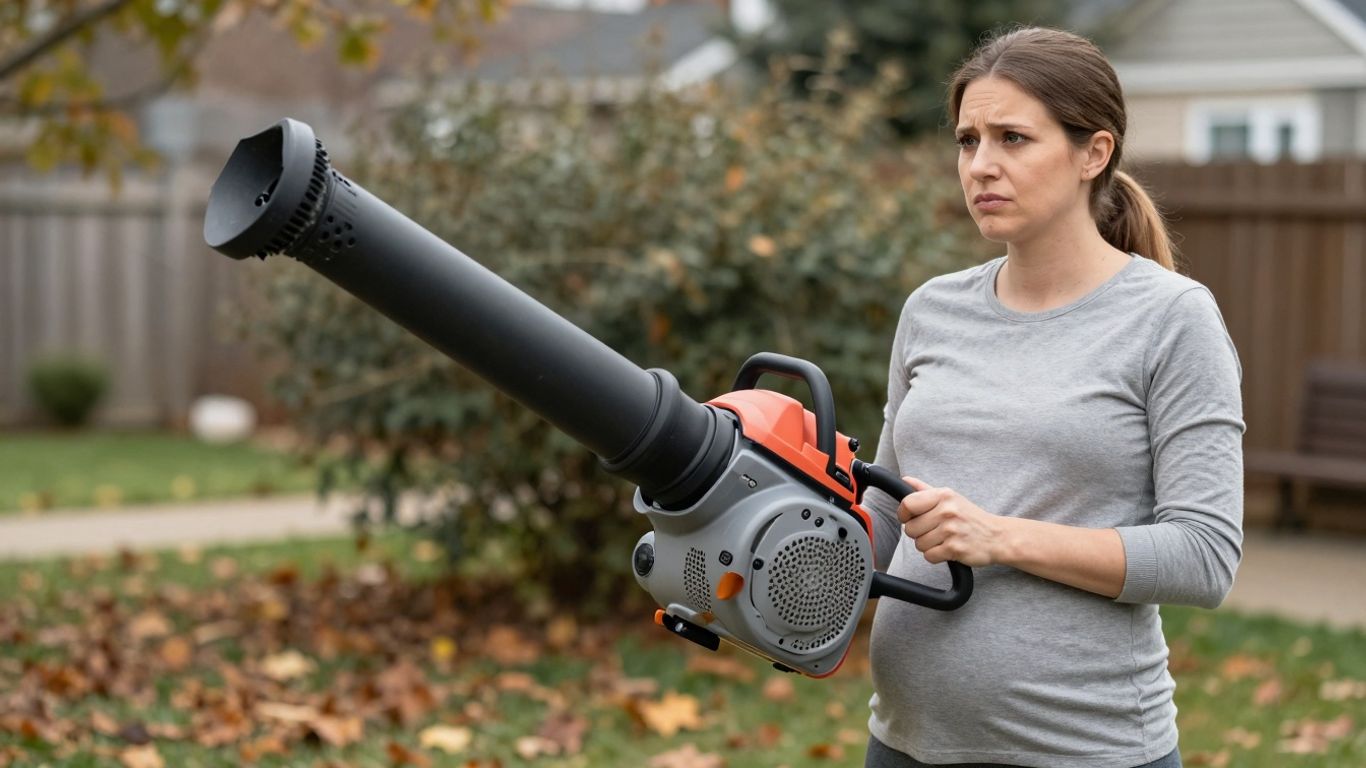
Leaf blowers create considerable noise pollution, potentially disturbing neighbors. Furthermore, smaller individuals might struggle to control powerful air streams. This control challenge increases the risk of accidentally bumping the nozzle against your paintwork, causing scratches. Electric blowers typically provide more manageable airflow yet even these require careful handling.
Time vs towel drying efficiency
Surprisingly, drying with a leaf blower can sometimes take longer than using high-quality microfiber towels. Additionally, air drying doesn’t remove mineral deposits from hard water spots. For vehicles without proper paint protection, the blower might leave behind scattered water droplets that eventually require towel drying anyway.
Conclusion
Drying your car with a leaf blower certainly offers a compelling alternative to traditional towel drying methods. First and foremost, this technique provides a truly contact-free approach that helps preserve your vehicle’s paint finish over time. Additionally, the powerful airflow excels at removing water from those frustrating hard-to-reach areas where moisture typically hides.
However, this method works best under specific conditions. Cars with proper paint protection such as wax, sealant, or ceramic coating will see the most benefit, as water beads up and rolls off more easily. Without this protection, you might still need to finish with a microfiber towel for complete drying.
The equipment you choose makes a significant difference as well. Electric blowers with proper filtration generally offer the ideal balance of power, safety, and convenience for this task. Remember to maintain proper technique—working from top to bottom with angled airflow—to achieve the best results.