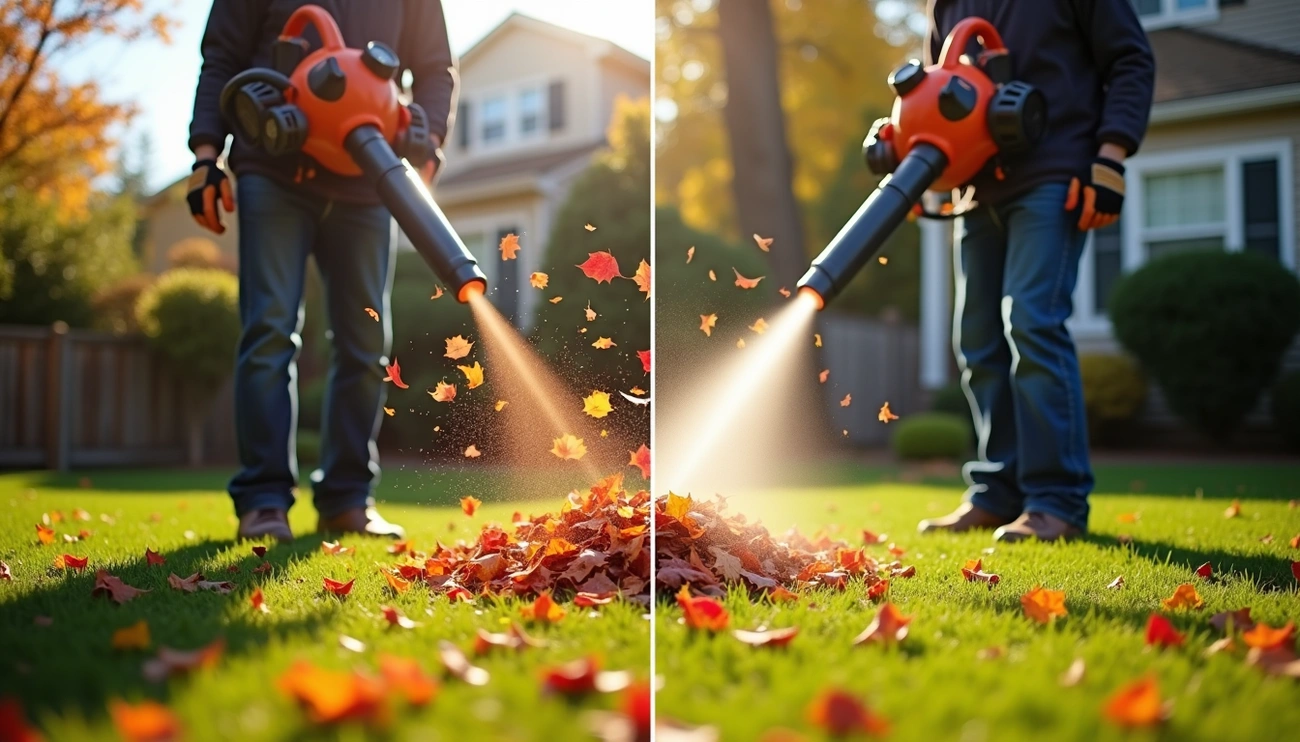
A leaf blower booster works by using the Venturi effect to increase air volume (CFM), not air speed. The attachment creates a wider, more voluminous airflow that moves light, dry […]
Blog
56 posts
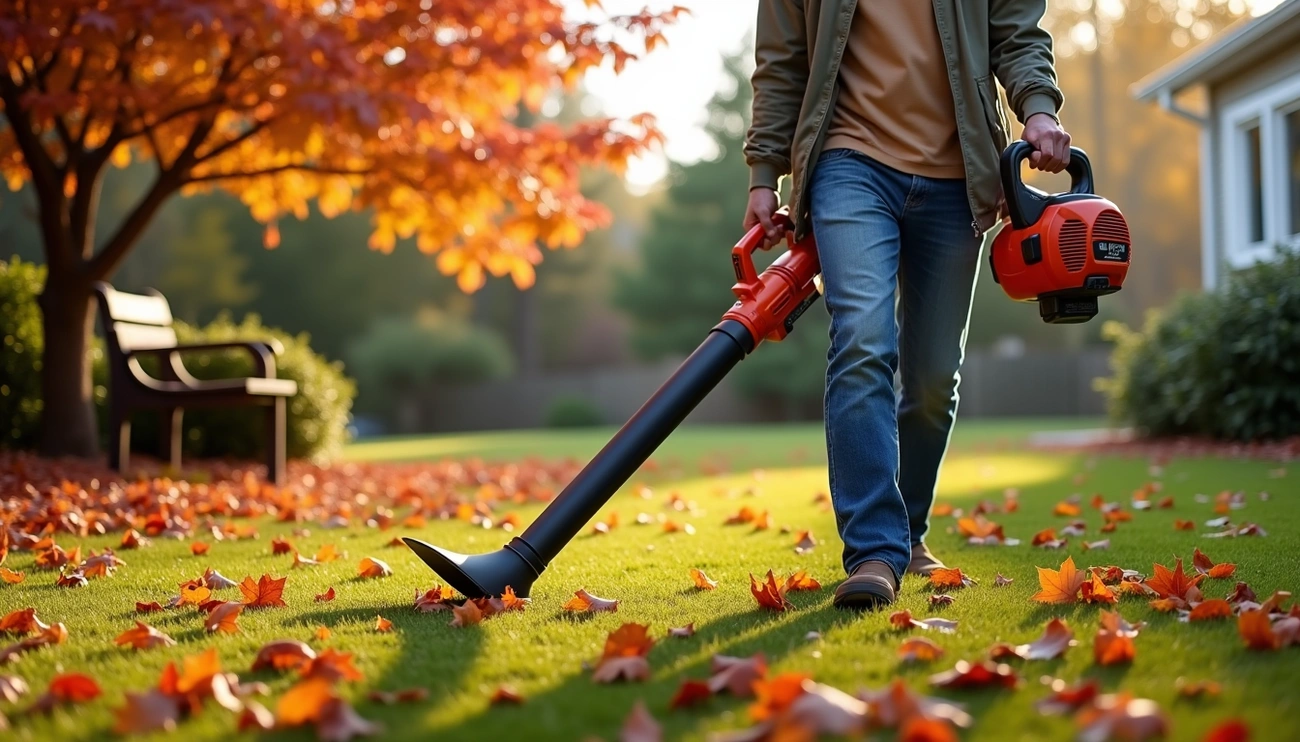
Choose a leaf blower by matching power (CFM and MPH) and blower type to your yard size and debris. Use corded electric models for small yards, battery blowers for medium […]
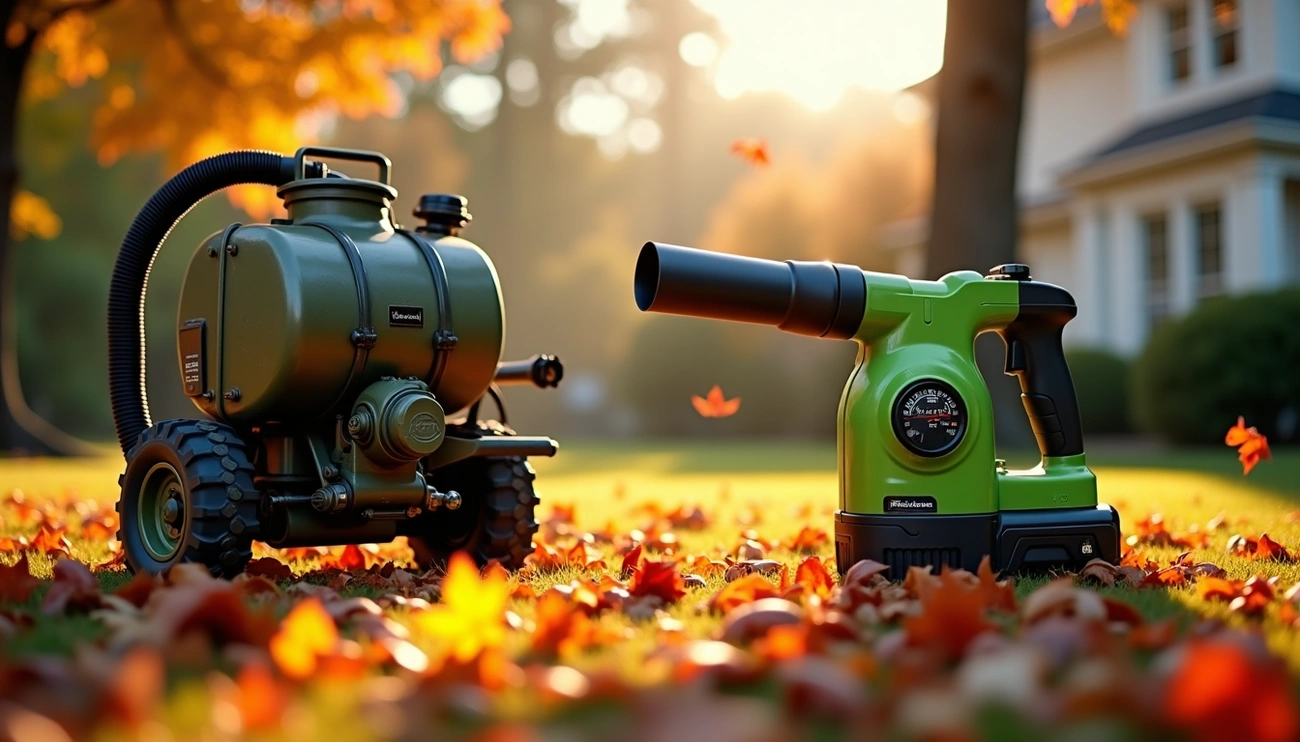
Dom Quinto is widely credited with inventing the first practical leaf blower in the late 1950s. He adapted a Japanese agricultural sprayer for lawn care use. Other contributors, including H. […]
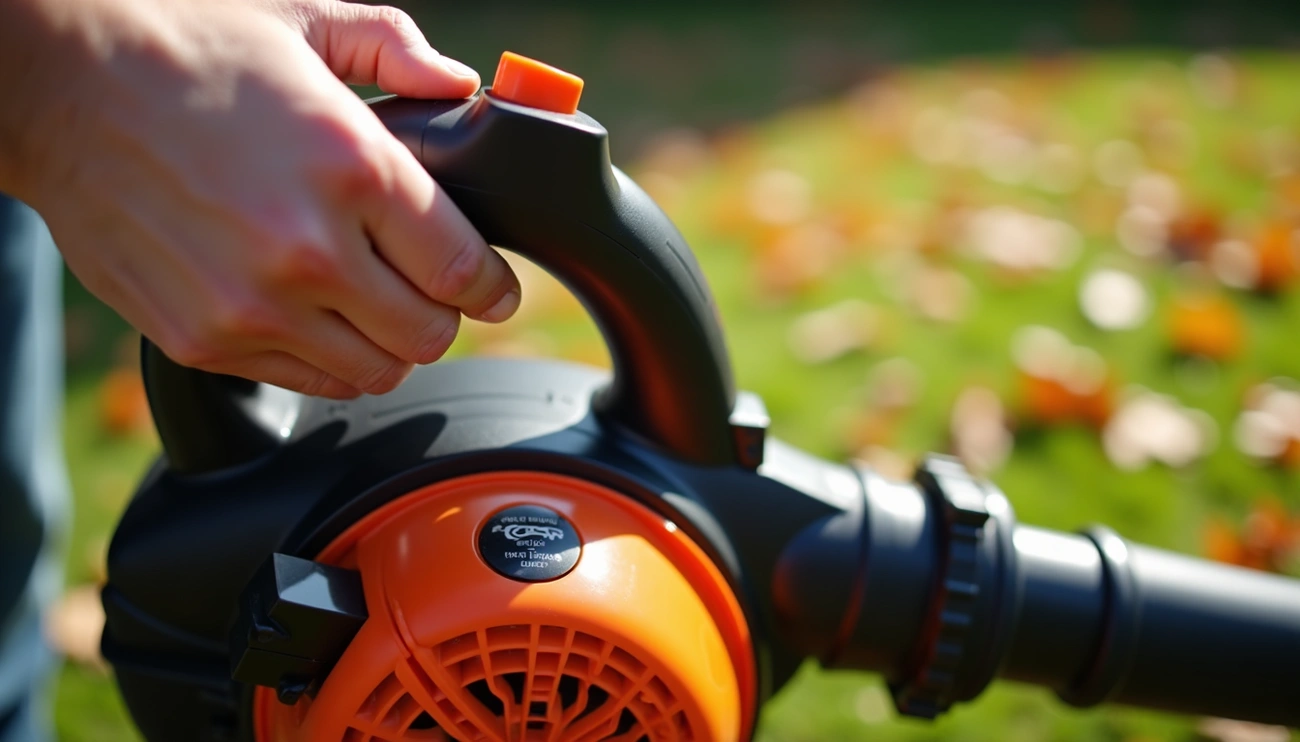
Start an Echo leaf blower by switching the power to ON, pumping the primer bulb 3–5 times, and setting the choke to COLD START. Pull the starter rope until the […]
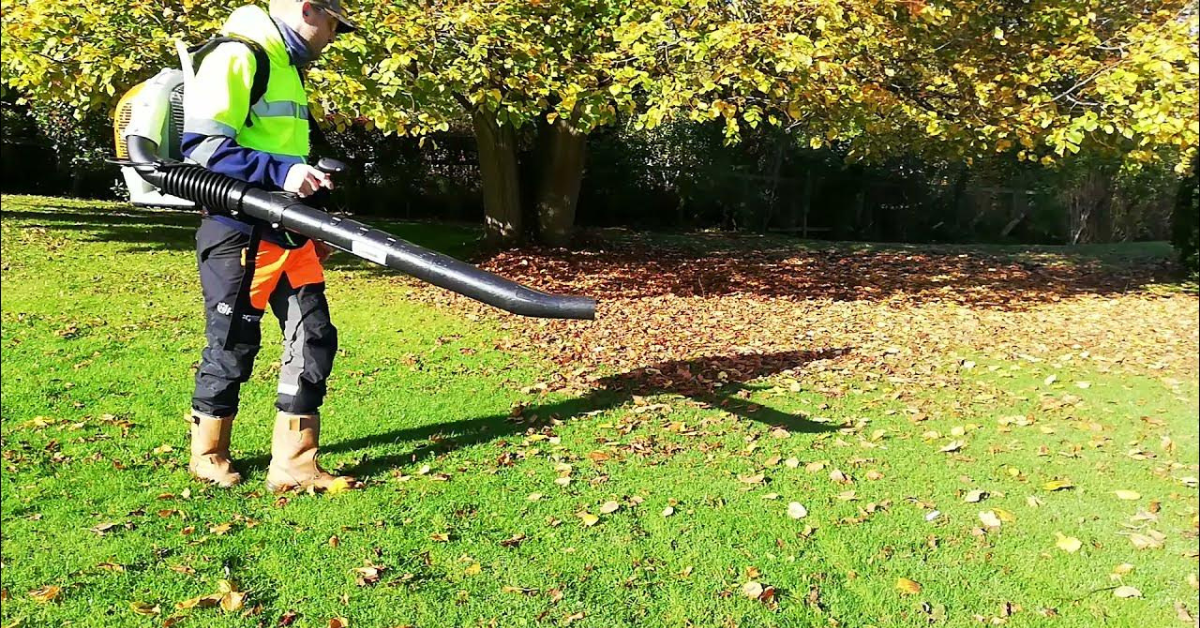
Yes, you can use a leaf blower on mulch to remove leaves by using a low power setting and careful aim. Leaf blowers separate light leaves from heavier mulch, but […]
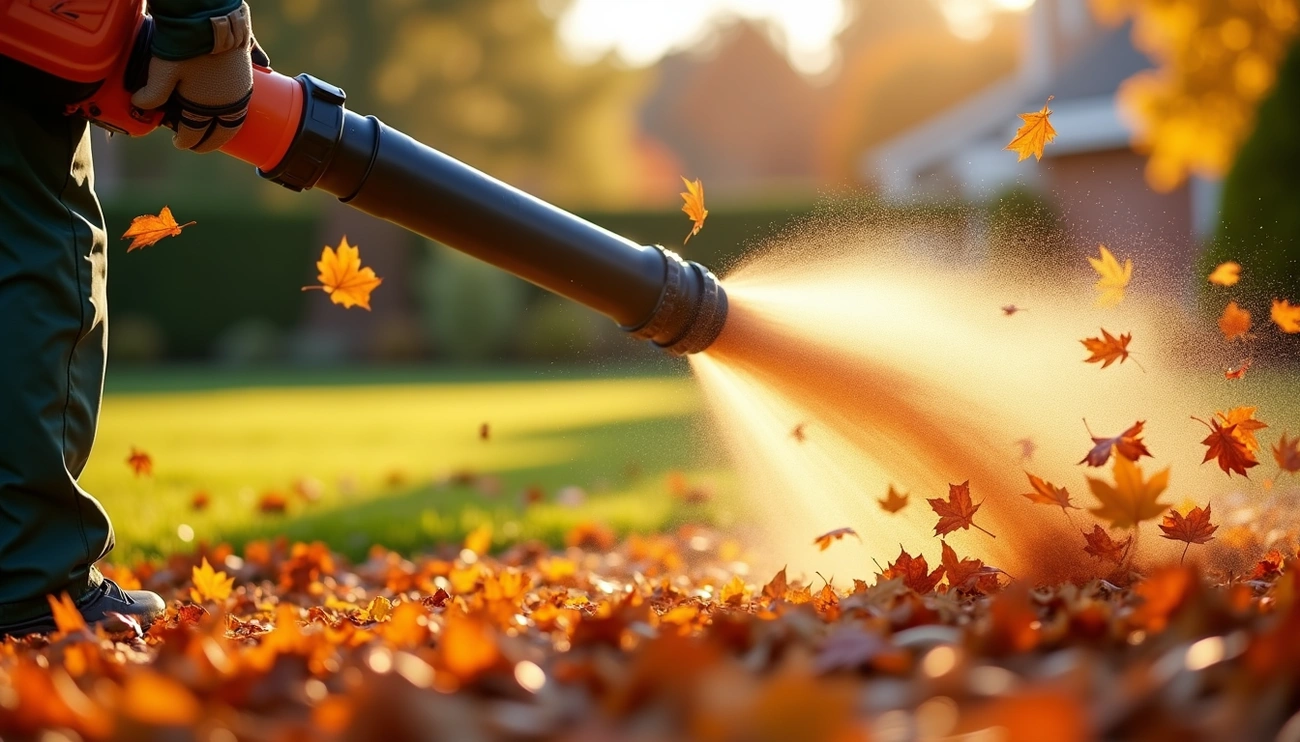
Yes, leaf blowers blow warmer-than-ambient air, but they do not function as heaters. Gas leaf blowers warm air from engine heat and release very hot exhaust, while electric models warm […]

A leaf blower picks up leaves by spinning an internal fan called an impeller to create fast-moving air. This airflow pushes lightweight leaves into piles. Vacuum leaf blowers also create […]
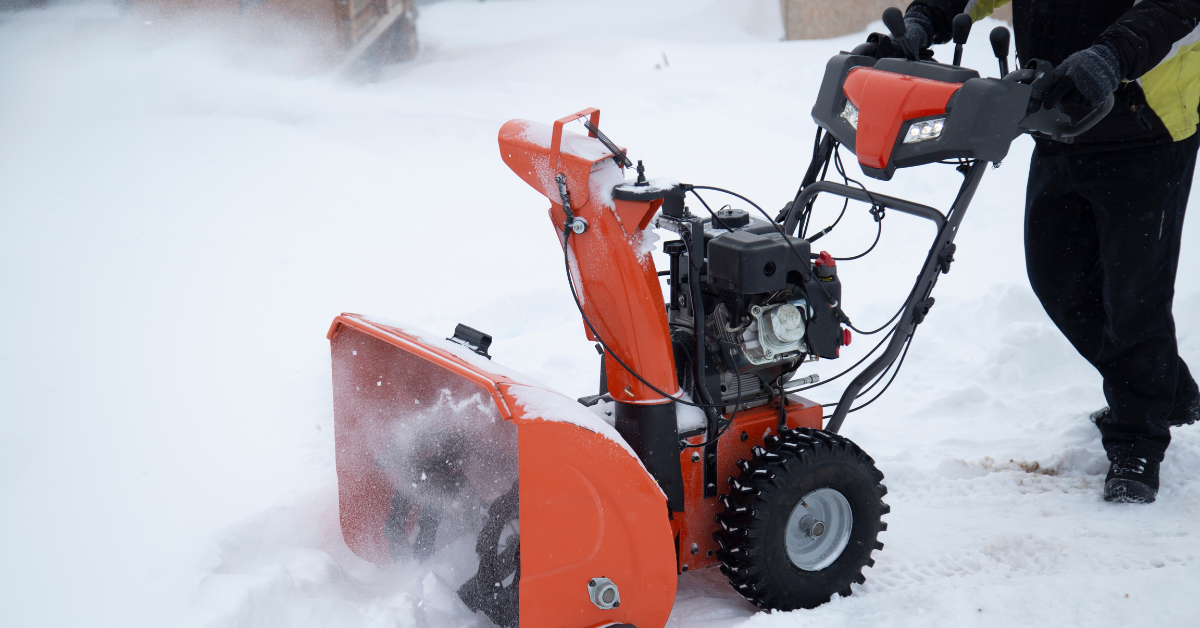
No, a leaf blower cannot melt snow. A leaf blower only moves air and lacks heat. It can blow away light, dry snow under 2 inches from surfaces like decks […]
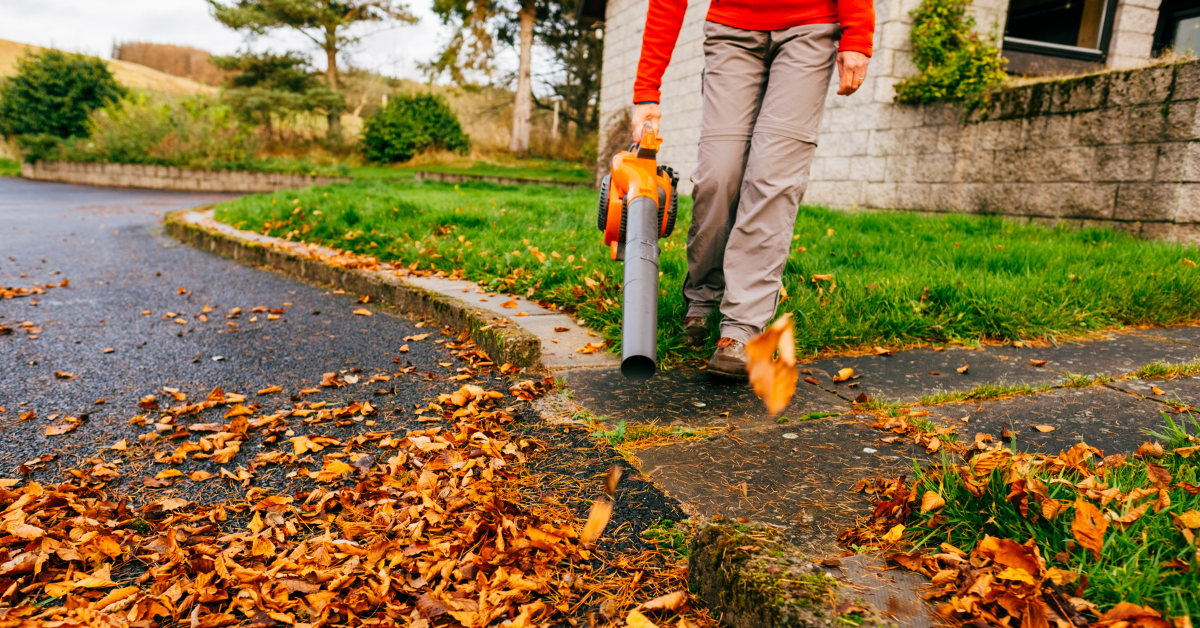
Yes, a leaf blower can technically jump timing if the flywheel key shears, but this is rare. Most two-stroke leaf blowers use fixed ignition timing, so symptoms blamed on timing […]
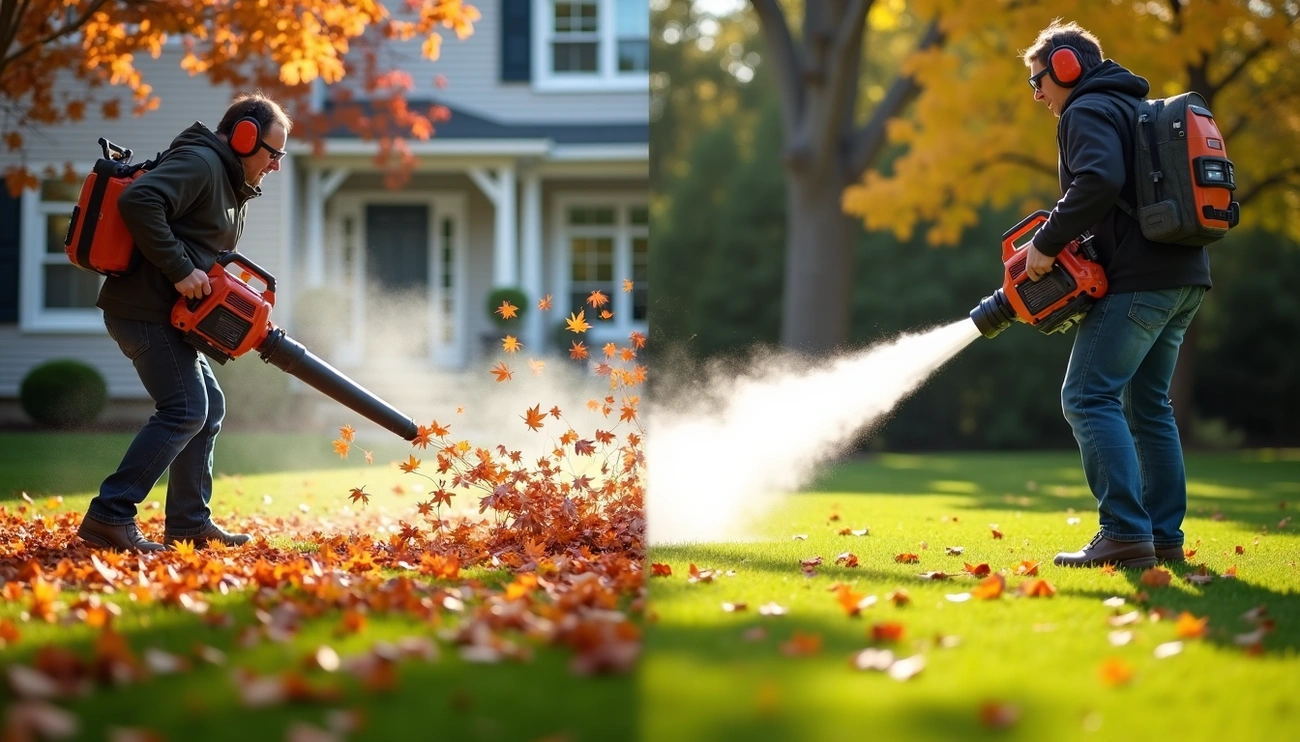
The main difference between gas leaf blowers and battery leaf blowers is power versus convenience. Gas leaf blowers deliver higher airflow and longer run times, making them better for large […]