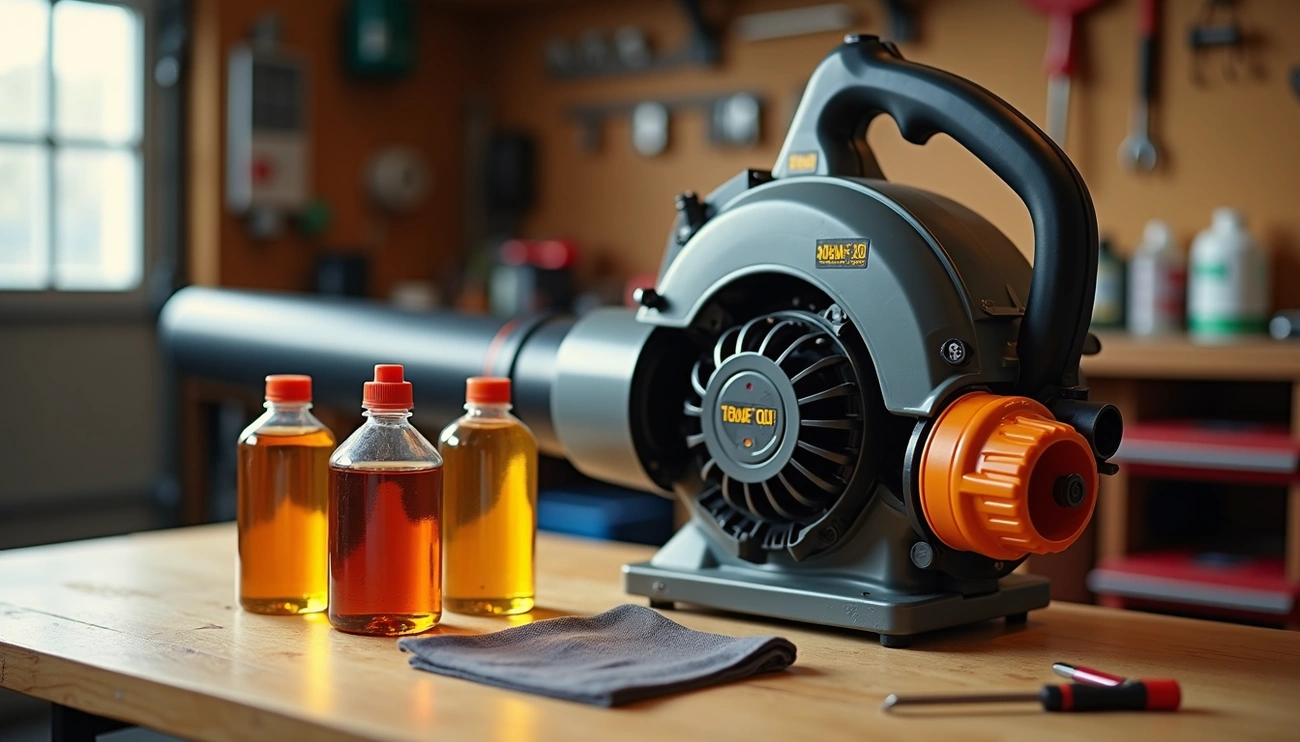
Yes, 5W-30 oil can be used in many 4-cycle leaf blowers. It flows well in cold weather and provides adequate engine protection. However, 2-cycle leaf blowers require oil mixed with […]
Blog
56 posts
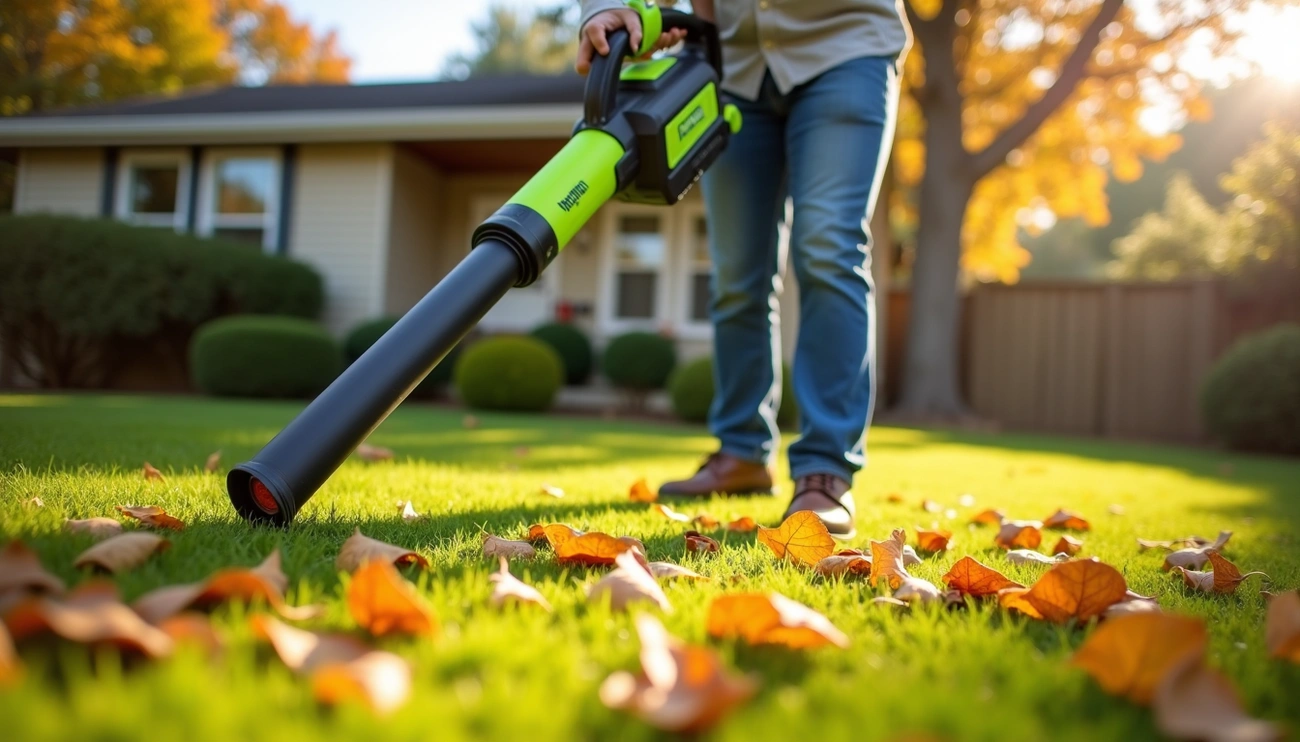
Yes, a battery leaf blower can move leaves on grass. Cordless models effectively clear dry or lightly damp leaves and grass clippings, especially units with high CFM and MPH ratings. […]
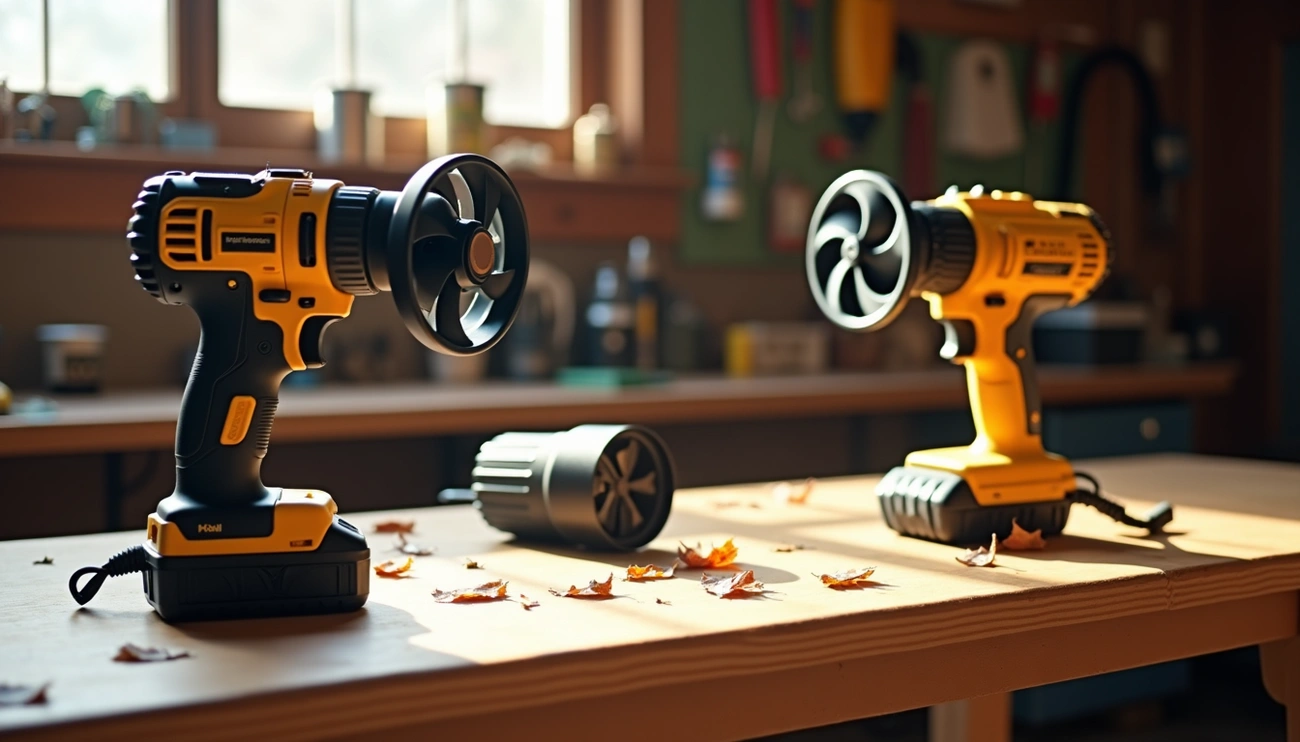
Yes, a drill can be used as a leaf blower, but only with the right setup. A drill requires a dedicated blower attachment or a DIY conversion to move air. […]

Yes, a leaf blower can be used to propel a small boat or kayak as a DIY experiment. It works by directing airflow into or across the water, but performance […]
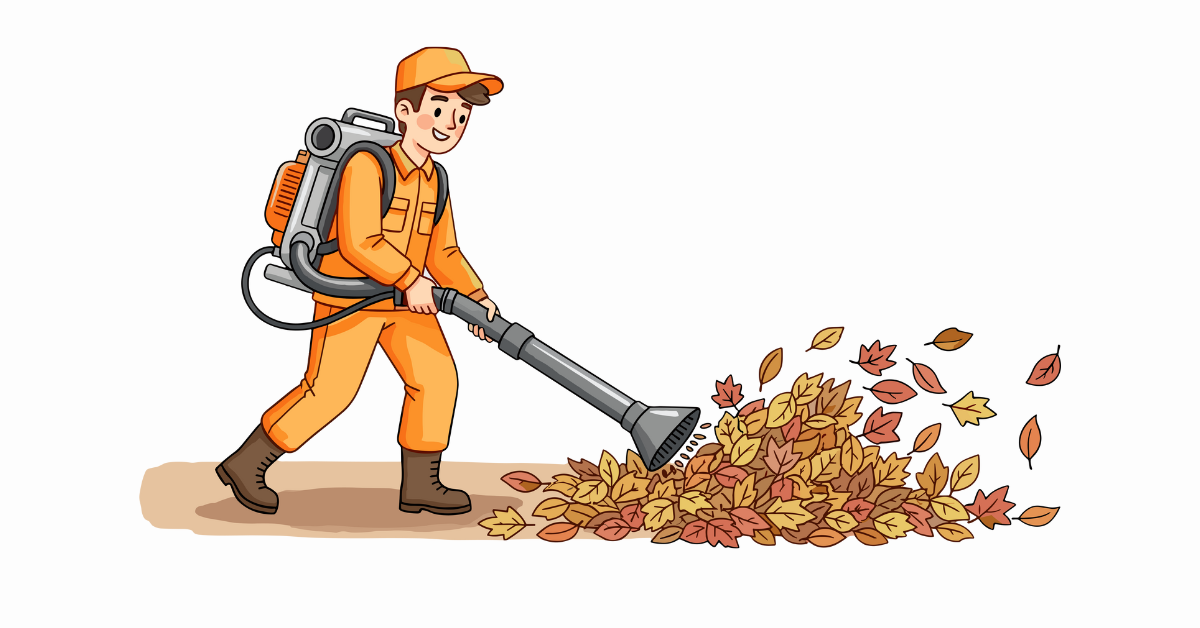
Yes, a leaf blower can damage a child’s hearing. Leaf blowers often produce noise levels above 100 dB, which exceeds the safe exposure limit of 85 dB. Prolonged or repeated […]
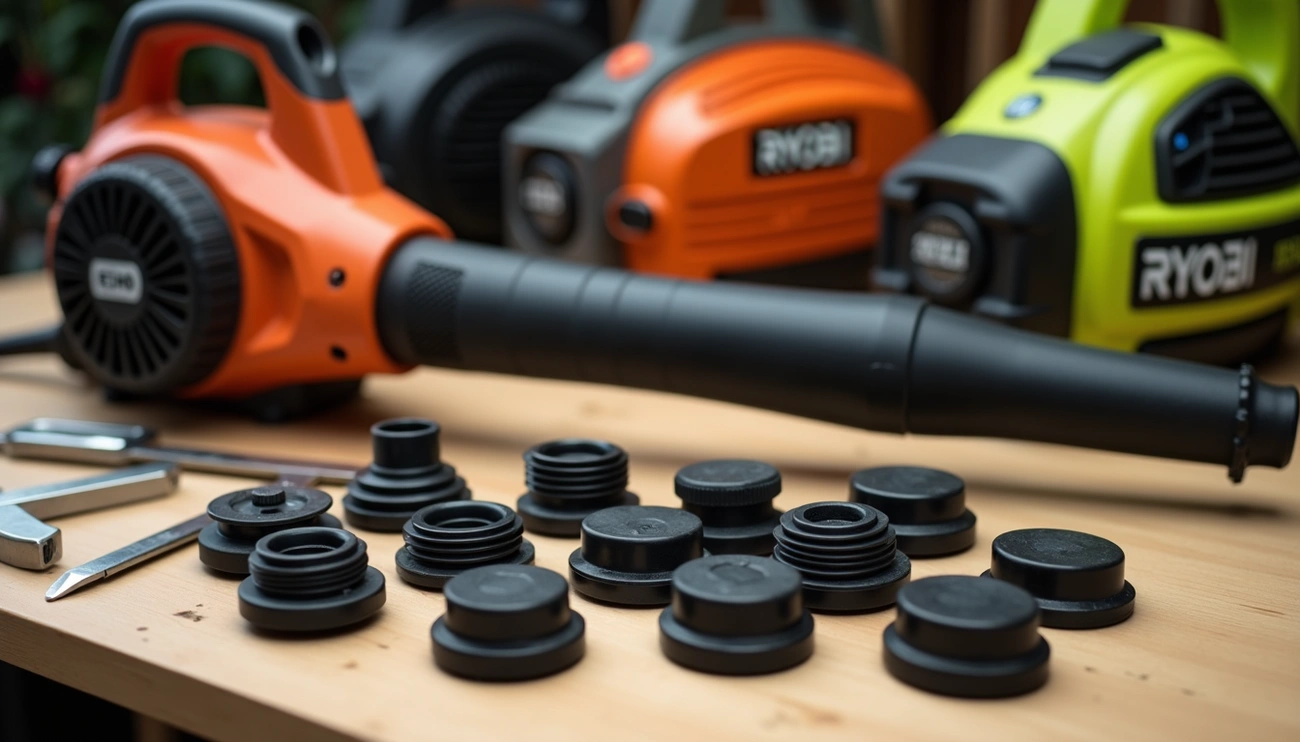
No, leaf blower gas caps are not standard. Gas caps vary by brand, model, and production year, and using the wrong cap can cause fuel leaks, contamination, or performance issues. […]
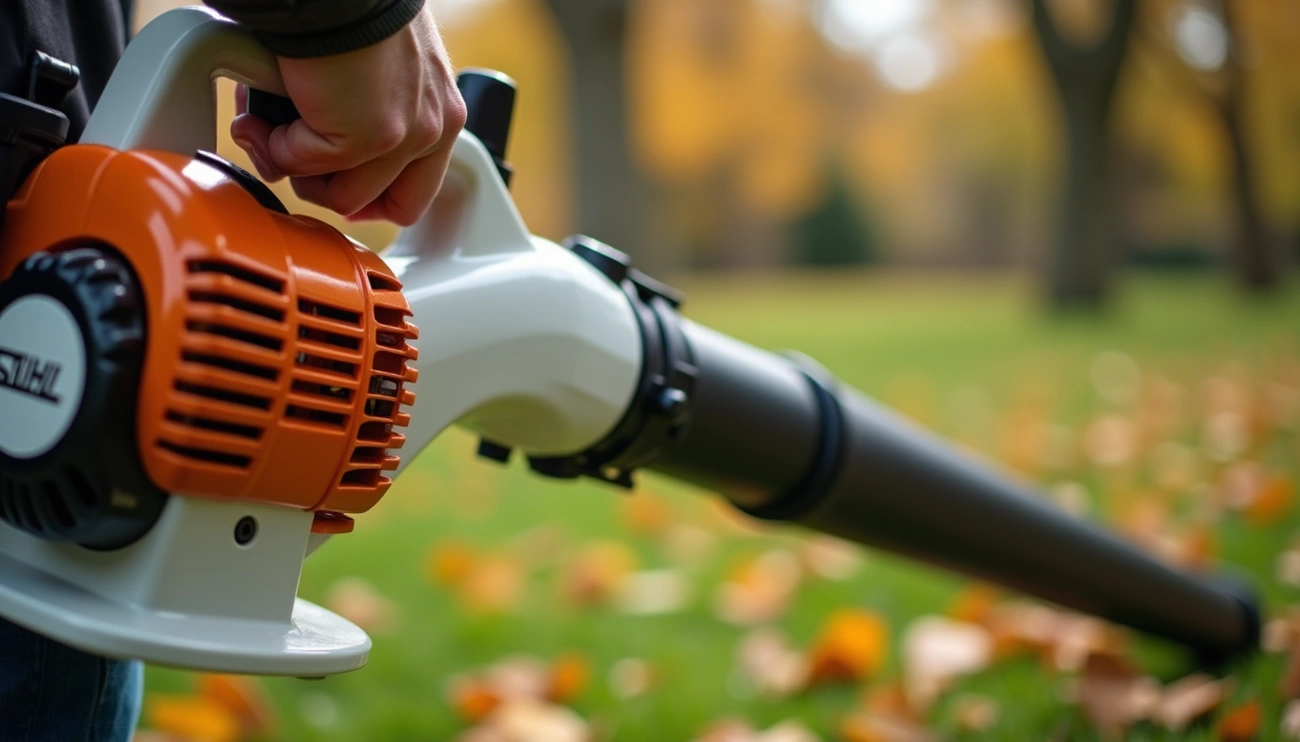
Yes, many modern leaf blowers have a reverse function. These models switch from blowing to vacuuming, allowing users to suck up leaves and debris instead of blowing them away. Blower/vac […]
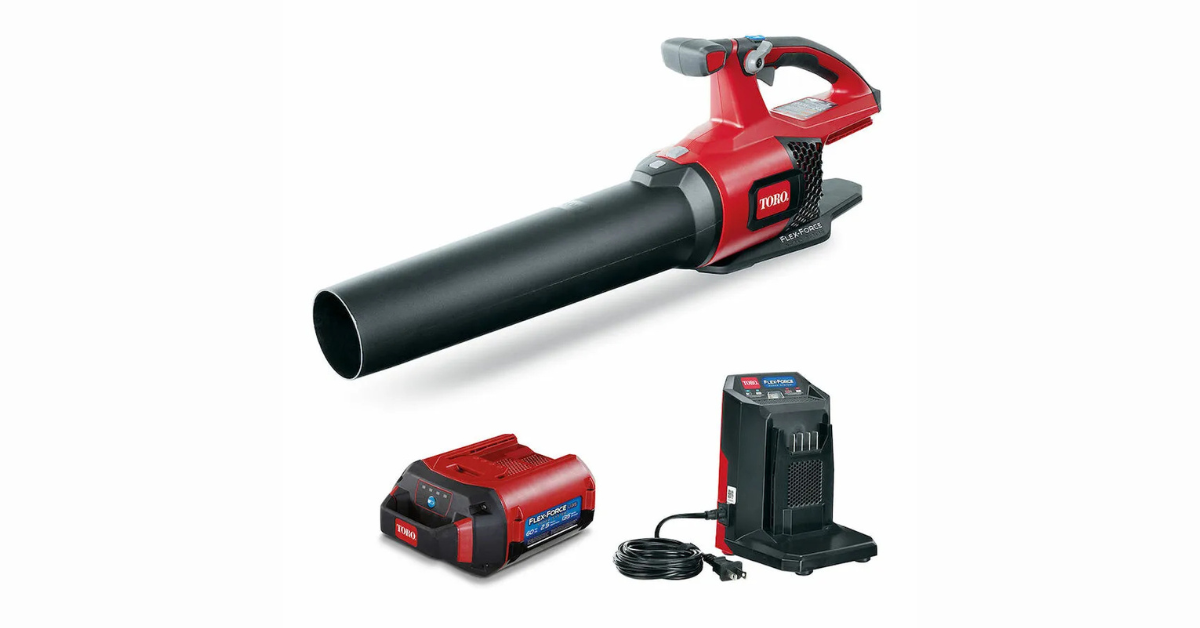
Yes, most Toro leaf blower carburetors are adjustable. They typically include high-speed (H) and low-speed (L) mixture screws, or a single fuel screw on simpler models, to fine-tune performance. Some […]
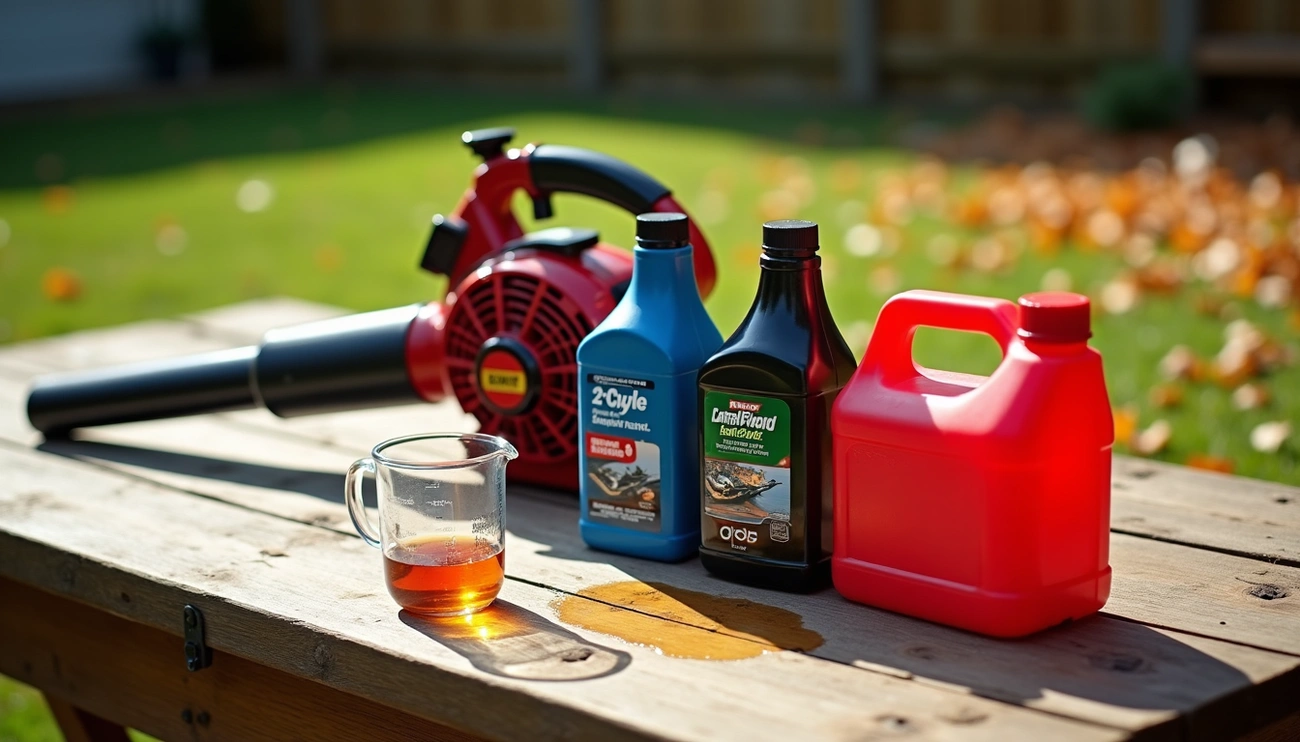
You should not use 2-cycle outboard oil in a leaf blower. Marine 2-cycle oil is formulated for water-cooled engines and cannot handle the higher operating temperatures of air-cooled leaf blowers. […]

Yes, electric leaf blowers are quieter than gas-powered models. Electric blowers run without combustion engines and are often 10 dB or more quieter. Their sound fades faster with distance, making […]