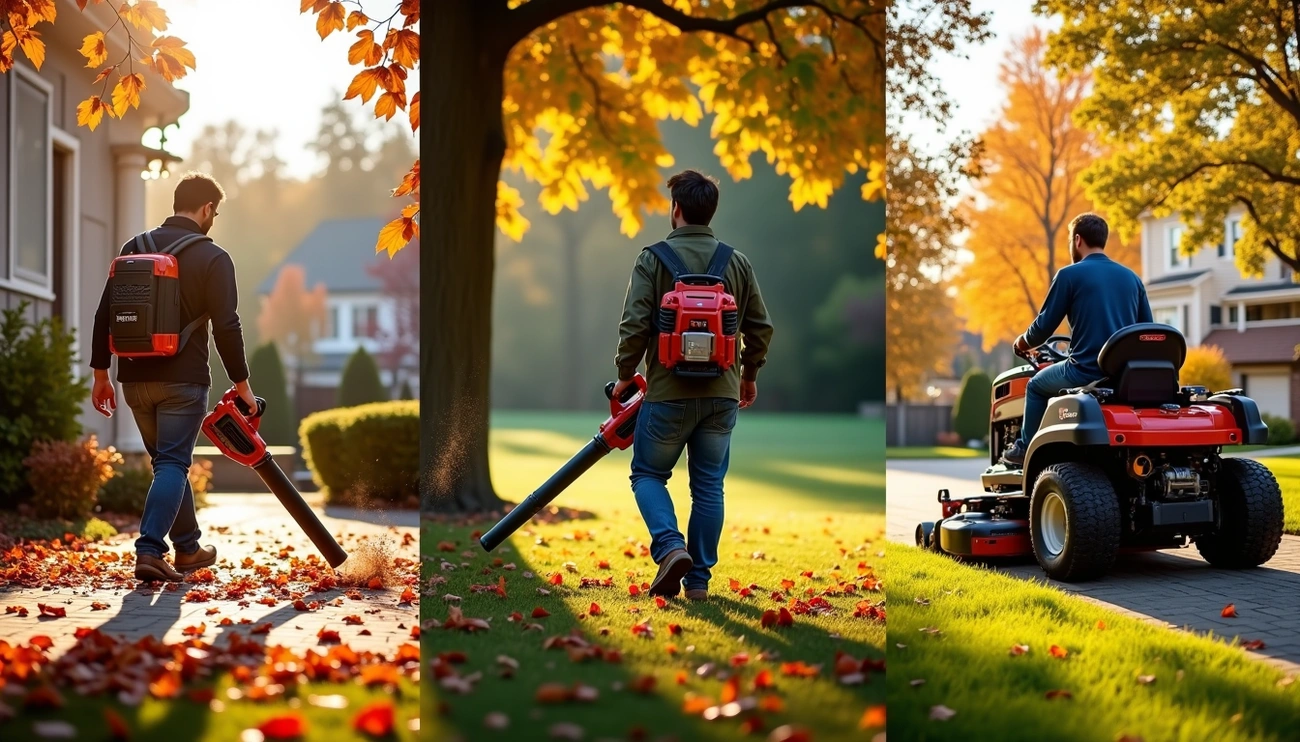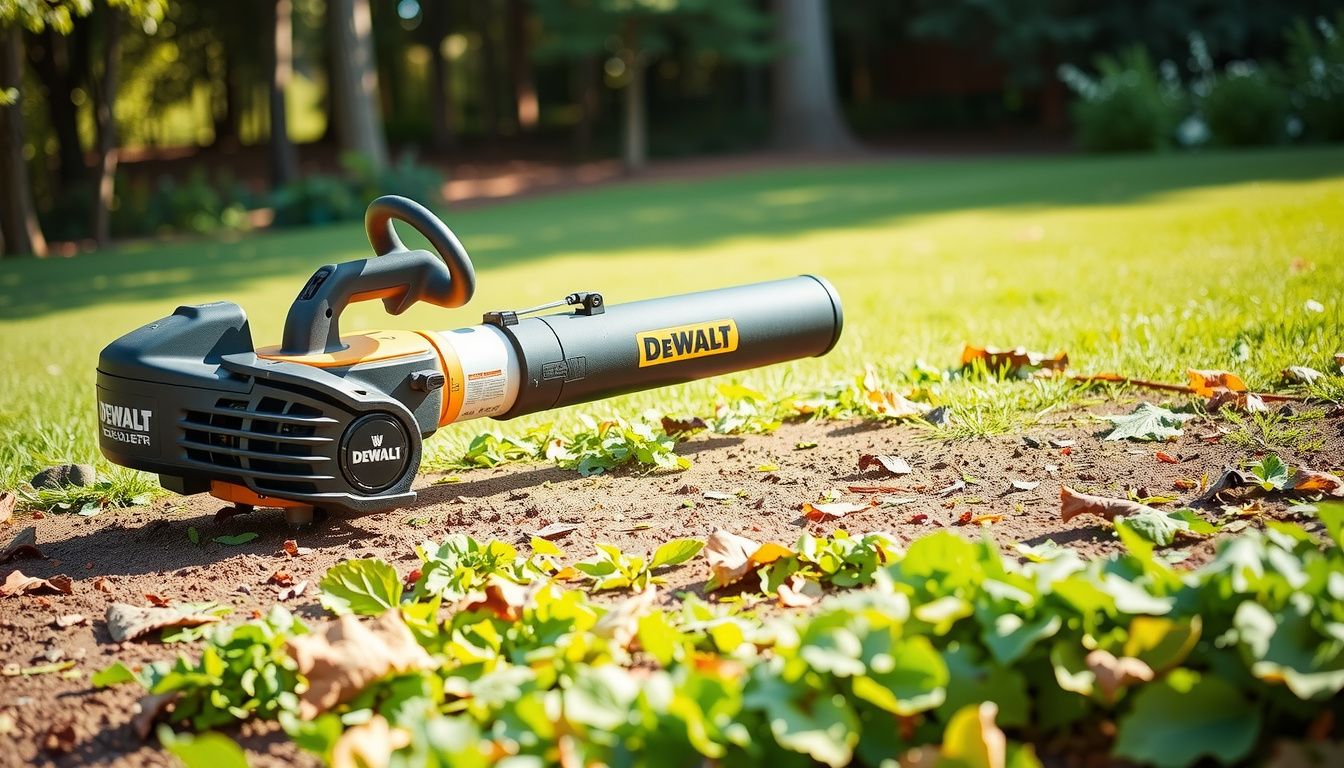
A dewalt leaf blower can turn a drawn-out yard cleanup into a quick, satisfying finish. If they’ve ever chased wet leaves with a rake or fought debris stuck in driveway cracks, they already know the frustration.
Today’s blowers aren’t just “more air.” They’re about control, runtime, noise, and how the tool feels after 15 minutes in hand. DeWalt’s lineup is popular because it’s built around practical jobsite thinking, with battery platforms and ergonomics that many homeowners and DIYers already trust.
Here’s a practical example: after mowing, they can use the blower to push grass clippings off the sidewalk, clear the garage threshold, and sweep leaves away from mulch beds without disturbing the soil. That’s the kind of small win that keeps a yard looking sharp week to week.
They’ll want to compare a few key points before buying:
- Air volume (CFM) for moving piles fast
- Air speed (MPH) for stuck, damp debris
- Battery voltage and amp-hours for real runtime
- Weight and balance for comfort
Keep reading to see how to choose the right model for their yard size and cleanup style, plus what specs matter most so they can buy once and be done.
What a Dewalt Leaf Blower is Best Suited For
Now, once the basics are clear, it helps to match a dewalt leaf blower to the jobs it actually does best. These blowers shine in routine residential cleanup where speed matters and a rake feels slow. They’re also a strong fit for owners already using DeWalt batteries, since swapping packs keeps downtime low.
They’re best suited for:
- Dry leaves on driveways, patios, and decks
- Grass clippings after mowing or edging
- Garage and workshop dust (quick blow-out before sweeping)
- Light snow on steps and walkways (powder only)
Look, a blower isn’t magic on heavy, soaked leaf mats or gravel beds where debris can scatter. In those cases, pairing it with a rake, tarp, or vacuum/mulch tool usually saves time.
Practical example: after a Saturday mow, they can blow clippings off sidewalks and the driveway in under five minutes, then finish by clearing the porch corners where a broom typically misses.
Key Specs That Matter: CFM, MPH, and air volume control
Choosing the right model comes down to understanding how air moves. CFM (cubic feet per minute) measures how much air the blower pushes, while MPH measures how fast that air travels. Higher CFM helps move piles; higher MPH helps peel debris from cracks and wet patches.
Air volume control is the real usability feature. Variable triggers, cruise control, and turbo buttons let users match power to the surface, which reduces fatigue and prevents scattering mulch.
- Prioritize CFM for big leaf piles and wide driveways
- Prioritize MPH for stuck debris in pavers, gutters, and corners
- Prioritize control for flower beds, gravel edges, and delicate landscaping
Practical example: they can run mid-power to herd leaves off a lawn, then tap turbo to push the final pile across a driveway seam without stopping to change tools. That’s where good control beats raw power.
Battery vs Corded vs Gas
Now that the basics are clear, the next step is choosing a power source that matches the work rhythm. A dewalt leaf blower is most commonly battery-powered, but corded and gas models still make sense in specific situations.

Battery is the “grab-and-go” choice for most homeowners. It’s quieter, starts instantly, and avoids fuel mixing, which matters when cleanups happen in short bursts.
Corded works when outlets are close and the yard is small. It can run indefinitely, but the cord limits reach and can snag around shrubs, steps, and patio furniture.
Gas is built for long sessions and heavy debris. It’s louder and needs maintenance, yet it shines on large lots, wet leaf piles, and commercial routes.
- Battery: patios, driveways, decks, quick weekly passes
- Corded: small yards, consistent runtime near the house
- Gas: acreage, thick leaf packs, all-day work
Practical example: for a 2-car driveway and front walk, a battery unit finishes cleanup fast without dragging a cord across landscaping.
Runtime and Battery System
Look at runtime as “minutes at the power level they’ll actually use,” not the best-case number. Higher output settings drain packs quickly, especially when pushing damp leaves or clearing gravel edges.
For DeWalt’s 20V MAX system, capacity (Ah) is the simplest sizing lever. A 5.0Ah pack is a common baseline; stepping up to 6.0–9.0Ah extends work time and reduces battery swaps.
- Small yard: 1 battery (4.0–5.0Ah) for light debris
- Medium yard: 2 batteries (5.0Ah) or 1 larger pack (6.0–9.0Ah)
- Large yard: multiple packs or a 60V platform for longer sustained output
Practical example: if they run high power for 10 minutes to clear a wet curb line, then use low-to-mid power for 15 minutes on the patio, a 5.0Ah plus a spare usually covers the session without waiting on a charger.
For efficiency, they’ll get more runtime by using the lowest setting that still moves the pile, then boosting only for stuck sections.
Nozzle Types and Accessories
Once power and runtime are sorted, the right nozzle setup helps a dewalt leaf blower work cleaner and faster. Nozzles shape the air stream, trading wide coverage for pinpoint force. That control matters when they’re moving heavy, wet debris or trying not to scatter mulch.
Common attachments change results more than most beginners expect:
- Concentrator nozzle for tight, high-velocity airflow along edges and cracks.
- Flat/wide nozzle to “push” a broad swath across driveways and patios.
- Gutter/extension tubes to reach under shrubs, decks, or into corners without bending.
Look at fit and sealing. A loose tube wastes airflow and adds vibration. A quick-lock connection saves time when they switch from patio cleanup to garden beds.
Practical example: after mowing, they can use a wide nozzle to herd clippings into a line, then swap to a concentrator to lift packed debris from paver joints without blasting soil out of the gaps.
Noise, Comfort, and Handling
Day-to-day satisfaction often comes down to noise and ergonomics, not raw numbers. A leaf blower that’s loud, front-heavy, or awkward to aim gets used less. Comfort shows up in how steady it feels during 10–20 minute cleanups.

Users typically notice these handling details:
- Trigger feel and lock for maintaining a steady airflow without finger fatigue.
- Balance and grip texture so the tool tracks straight along edges.
- Vibration and tube length affecting wrist strain and control near landscaping.
Noise is situational. Higher airflow at full throttle can be intrusive near neighbors, so variable speed helps keep sound down while still moving light debris. Hearing protection is a smart default for extended use.
Practical example: on a quiet Saturday morning, they can run a lower setting to clear a porch and steps, then briefly increase power only for the damp leaf pile at the curb.
Maintenance and Storage
Now that handling and accessories are sorted, day-to-day care keeps a dewalt leaf blower performing like it did on day one. Most “power loss” complaints trace back to airflow restrictions, worn seals, or neglected batteries.
After each use, they should do a quick clean and inspection. It takes two minutes and prevents clogged intakes and overheating.
- Brush off intake vents and the tube connection; packed debris cuts airflow fast.
- Check the nozzle and tube for cracks or loose latches that leak air.
- Wipe the exterior so grit doesn’t migrate into switches and seams.
Battery care matters just as much as the blower. They should store packs indoors, avoid leaving them fully depleted, and let hot batteries cool before charging.
Practical example: after a damp fall cleanup, they can remove the tube, shake out wet leaves, wipe the intake screen, then store the tool and batteries on a garage shelf (not on a cold concrete floor). That routine reduces corrosion, keeps sensors happy, and protects runtime.
Buying Checklist
Look, the fastest way to pick the right unit is to map it to the mess they actually face. A clear checklist prevents overbuying and helps them avoid a blower that feels “fine” until the first heavy cleanup.
They should start with task frequency and surface type, then confirm the tool can sustain that workload comfortably. Small patios and garage aprons need different priorities than long fence lines and leaf-heavy turf.
- Surface mix: tight corners, gravel, turf, or wet leaves change the required control and force.
- Session length: short touch-ups vs 30–45 minute cleanups dictates battery count and charger speed.
- Storage and transport: tube length, hang hooks, and compact fit in a shed or truck bed.
- Local rules: noise limits or HOA restrictions can narrow options quickly.
Practical example: a homeowner with a two-car driveway and a weekly deck sweep can prioritize light weight and quick grab-and-go storage, then add a second battery later for autumn leaf weeks. A property manager handling multiple walkways should budget for spare packs and a fast charger to avoid downtime.
Final Summary
Now that the decision points are mapped out, choosing a dewalt leaf blower comes down to fit, not hype. The best pick is the one that matches the yard’s pace, the user’s tolerance for weight and noise, and the way cleanup actually happens week to week. When those factors align, performance feels consistent and predictable.
A practical example: a homeowner who clears a two-car driveway and a small patio twice a week may prioritize fast grab-and-go use and compact storage, while someone managing heavy fall drop may value sustained output and fewer stops. Either way, the right choice should reduce time outside without creating new hassles.
- Prioritize the tasks done most often, not the rare worst-case day.
- Confirm comfort in hand before committing to a model class.
- Buy from a retailer with an easy return window and solid warranty support.
Next step: pick one top candidate, verify it meets the must-haves, then test it on a real cleanup session within the return period.