Start an Echo leaf blower by switching the power to ON, pumping the primer bulb 3–5 times, and setting the choke to COLD START. Pull the starter rope until the engine pops, move the choke to RUN, then pull again until it starts. Let it idle briefly before use.
Understand Your Echo Blower First
Before attempting to start your Echo leaf blower, taking time to understand your specific model will save you frustration. Every Echo blower is designed for dependability, yet each requires proper knowledge for successful operation.
Know your model: handheld vs. backpack
Echo offers two main types of leaf blowers, each with distinct advantages. Handheld blowers are compact, lightweight (typically under 10 pounds), and perfect for smaller properties. They excel at maneuverability in tight spaces like porches and between shrubs. Additionally, they’re easier to store and generally more affordable for occasional use.
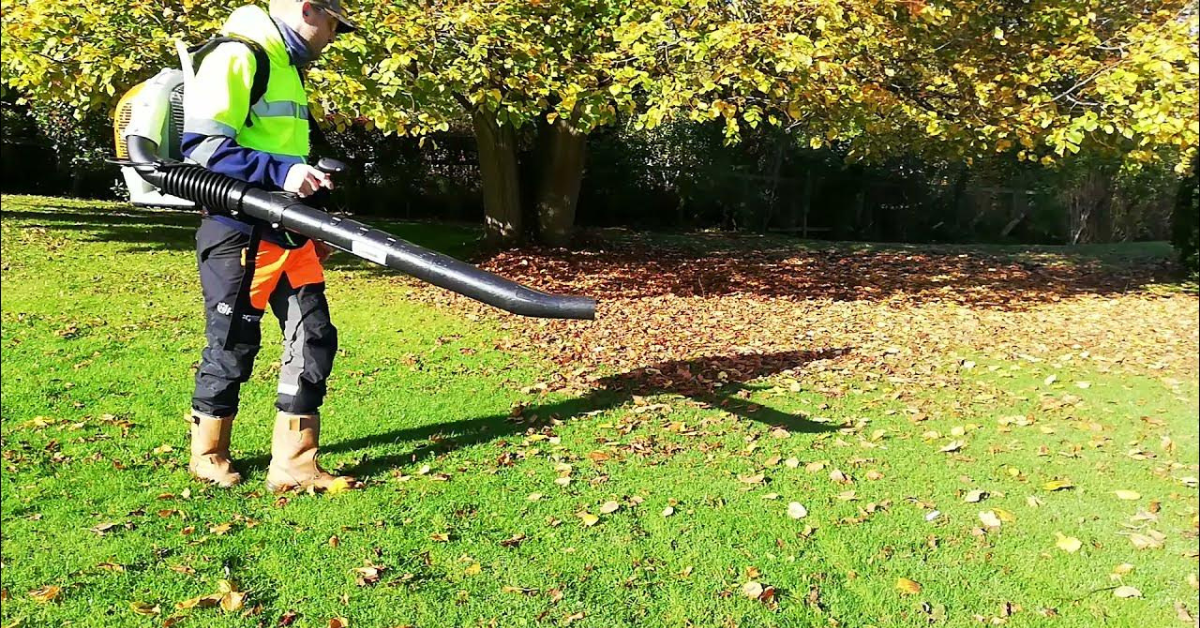
Backpack models, alternatively, provide significantly more power for larger properties. These blowers distribute weight across your shoulders and back, making them more comfortable during extended use. They’re primarily designed for clearing large areas quickly and effectively, with larger engine sizes delivering greater air volume and velocity. Echo backpack blowers come with either hip-mounted or tube-mounted throttle controls, offering different handling options based on your preference.
Locate key parts: choke, primer, throttle, spark plug
Finding essential components on your Echo blower is crucial for proper starting:
Choke: Located near the engine, this lever typically has multiple positions: “Cold Start” (fully closed), half-choke, and “Run” (fully open). You’ll adjust this based on engine temperature.
Primer Bulb: This clear bubble-like button pulls fresh fuel from the tank while purging air from the carburetor. You’ll need to press it until fuel is visible in the clear return line, plus 4-5 additional pumps.
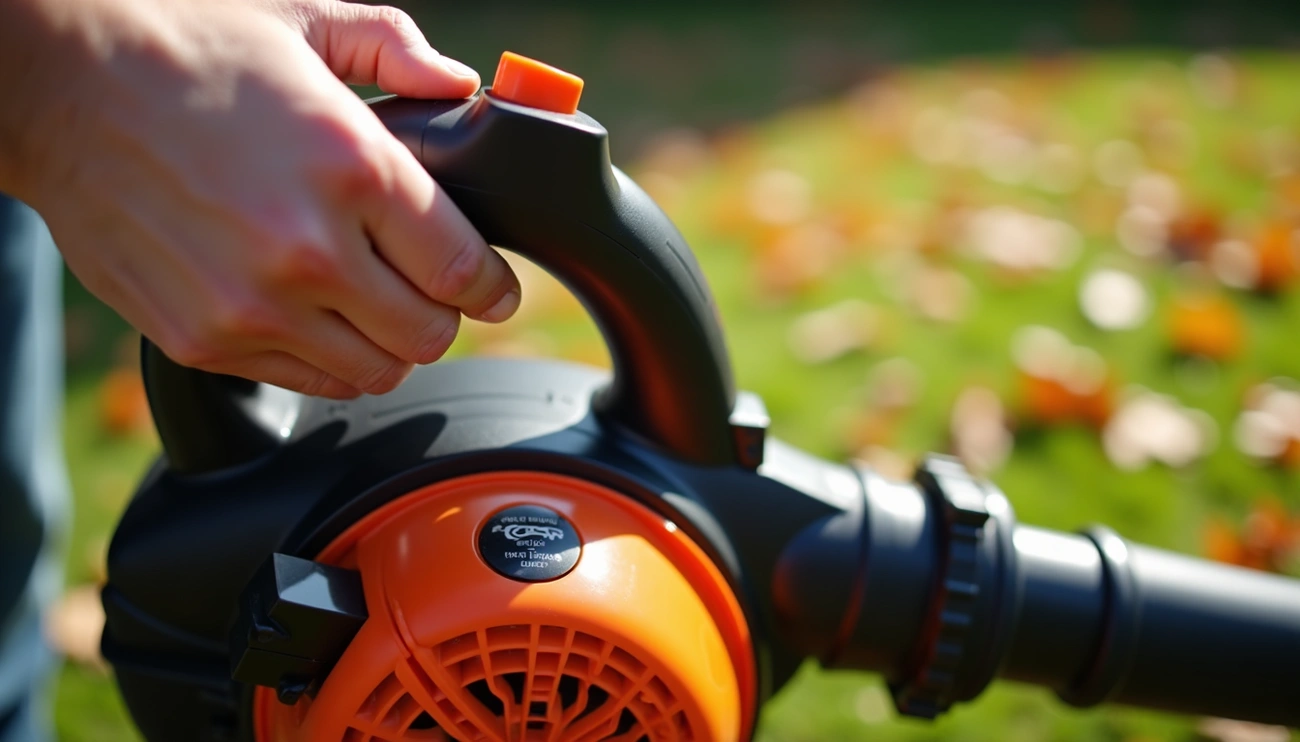
Throttle: Echo blowers feature a combination throttle position lever/stop switch. Moving it all the way forward sets the blower to Wide Open Throttle (W.O.T.), while moving it back to the detent places it at idle. Push it past idle to stop the engine completely.
Spark Plug: This provides the spark that ignites your fuel mixture. On most models, it’s accessible under a cover, though exact location varies by model.
Check fuel type and oil mix requirements
Using proper fuel is essential for your Echo blower’s performance. All Echo 2-stroke engines require a 50:1 fuel-to-oil ratio. This means mixing 2.6 oz of two-stroke oil with one gallon of gasoline.
For optimal performance, use 89 Octane (mid-grade) or higher gasoline. Echo specifically recommends avoiding regular 87 Octane as it may lack sufficient detergents, potentially causing engine buildup. Furthermore, your oil must meet ISO-L-EGD and J.A.S.O. FD standards—Echo’s Power Blend X Universal 2-Stroke Oil meets these requirements.
Remember that improper fuel mixtures can cause serious engine damage, particularly when running unmixed gasoline through equipment designed for mixed fuel.
Step-by-Step: How to Start a Cold Echo Leaf Blower
Starting a cold Echo leaf blower requires following specific steps in sequence. Unlike warm engines, cold starts need extra fuel and a different approach. Let me walk you through the proper technique that works across Echo models.
Set the choke to cold start position
First, locate the choke lever near the engine. Move the choke UP to the “Cold Start” position (often marked with a symbol resembling a closed valve). This restricts airflow, creating a richer fuel mixture essential for cold starting. On some models, you’ll also need to move the throttle position lever midway between idle and full throttle.
Prime the bulb until fuel is visible
Next, find the clear purge bulb (typically near the carburetor). Press it repeatedly until fuel becomes visible flowing in the clear fuel tank return line. After fuel appears, pump an additional 4-5 times to ensure proper fuel delivery to the carburetor. This step eliminates air from the fuel system, creating optimal starting conditions.
Pull the starter rope 3–5 times
Position the blower on a flat, clear surface. Firmly grasp the throttle grip with your left hand. Use short pulls on the starter rope—only 1/2 to 2/3 of the rope length—never allowing it to snap back. Pull quickly and consistently until you hear the engine attempt to fire or reach a maximum of 5 pulls.
Switch choke to run and pull again
Once the engine fires (or after 5 pulls), immediately move the choke lever DOWN to the “Run” position. Pull the starter rope again using the same technique until the engine starts completely and runs. If it doesn’t start after 5 attempts, repeat the entire process from the beginning.
Let the engine warm up before use
Finally, allow your Echo blower to warm up at idle for 2-3 minutes prior to operation. This critical step properly lubricates internal components and prevents premature wear. Only after adequate warm-up should you gradually increase to operating speed by pressing the throttle trigger.
How to Start a Warm Echo Blower Without Flooding
Restarting an Echo leaf blower that’s already warm requires a different approach than cold starting. Learning these nuances prevents flooding and saves you from frustration.
Avoid using the choke or primer
Once your Echo blower’s engine is warm, engaging the choke can quickly flood the engine with excess fuel. As a general rule, never touch the choke when restarting a warm engine. Moreover, avoid using the primer bulb since the engine already has sufficient fuel circulating. Experienced users note that pressing the primer bulb excessively pushes too much fuel into the system, causing flooding and potential carburetor issues.
Pull starter rope with throttle slightly open
For warm starts, place the throttle lever in the IDLE position. Then, simply pull the starter rope with a swift, consistent motion. Alternatively, some users recommend pulling with the throttle slightly open to achieve immediate starts. Typically, a warm Echo blower will start on just one or two pulls when proper technique is used.
If it doesn’t start, wait and try again
Should your blower not start after five pulls, step back and wait a few minutes rather than continuing to pull. Persistent pulling without success merely sends more fuel to the engine, potentially causing flooding. Nevertheless, if it still refuses to start, you may need to switch to the cold start procedure as outlined by Echo.
Troubleshooting When Your Echo Blower Won’t Start
Even with proper starting techniques, Echo leaf blowers occasionally refuse to start. Fortunately, most starting problems have straightforward solutions you can handle yourself.
Check for old or bad fuel
Stale fuel is the most common culprit behind starting issues. Initially, drain old gas completely from your tank, especially if it’s been sitting longer than 30 days. Replace it with fresh 89 octane (or higher) fuel mixed at the correct 50:1 ratio. Remember that ethanol-based fuels can absorb moisture over time, causing starting difficulties.
Inspect and clean the spark plug
Typically, a fouled spark plug prevents ignition. After removing the plug, check for carbon buildup, oil residue, or damage. Clean it gently with a wire brush or replace it if the electrode appears worn. Ensure proper gapping according to your model’s specifications.
Look for carburetor clogs or flooding
Consequently, if fuel smells strong, your engine might be flooded. Wait 15 minutes with the choke open before trying again. For persistent issues, the carburetor might need cleaning to remove varnish deposits from old fuel.
Try starter fluid or clean air filter
Occasionally, a dirty air filter restricts airflow. Remove and clean it thoroughly. Alternatively, a small spray of starter fluid into the air intake can help identify if fuel delivery is the problem.
When to seek professional repair
Consider professional service if these steps fail, especially for issues involving compression, ignition modules, or internal engine problems.
Conclusion
Starting your Echo leaf blower correctly saves time and prevents unnecessary frustration. After following this guide, you should now feel confident handling both cold and warm starts effectively. Remember that proper fuel mixture remains crucial for optimal performance – always use fresh 89 octane gasoline with the correct 50:1 oil ratio. Stale fuel causes most starting problems, therefore regular maintenance keeps your equipment running smoothly.
Understanding your specific model, whether handheld or backpack, certainly makes a difference in your approach. First-time users often struggle simply because they miss essential steps like properly setting the choke position or adequately priming the fuel system. These small details significantly impact your success rate.
Your Echo blower will typically start within just a few pulls when handled correctly. Patience during the warm-up period pays off through extended equipment life and better performance. Additionally, knowing basic troubleshooting techniques helps you quickly diagnose common issues without immediately requiring professional help.