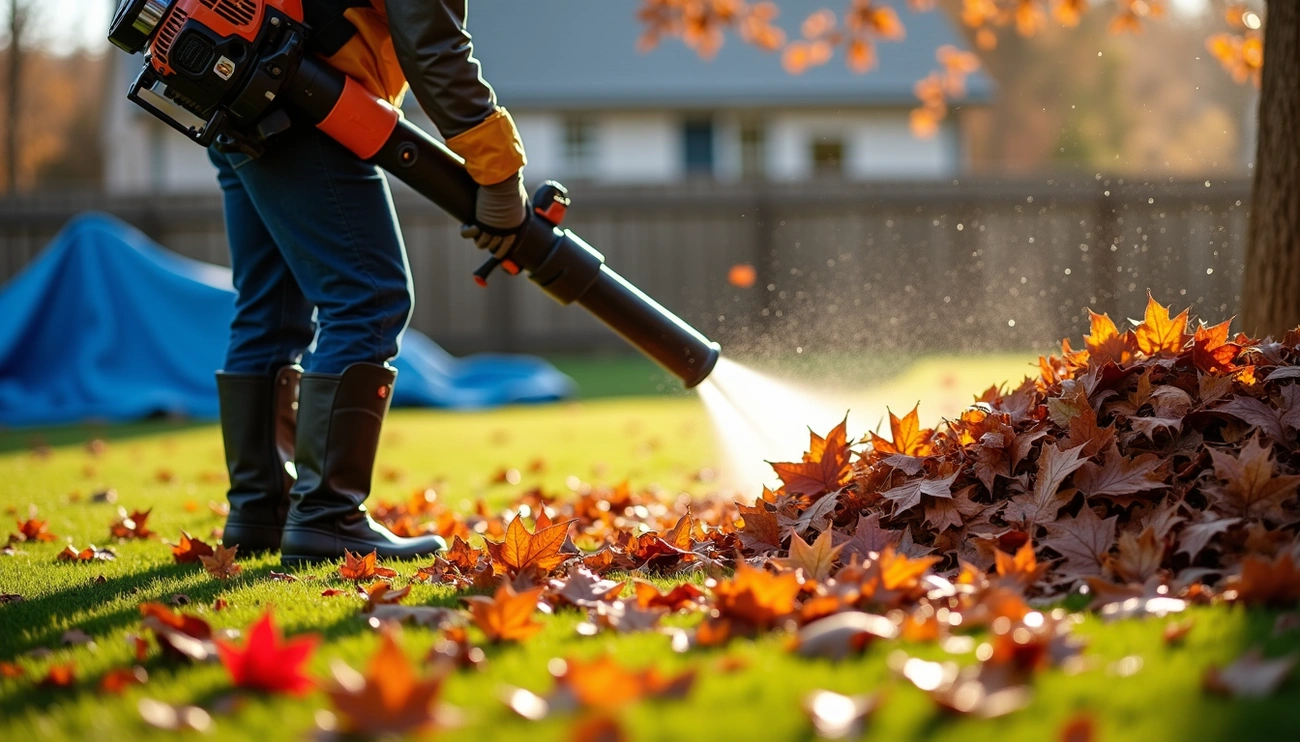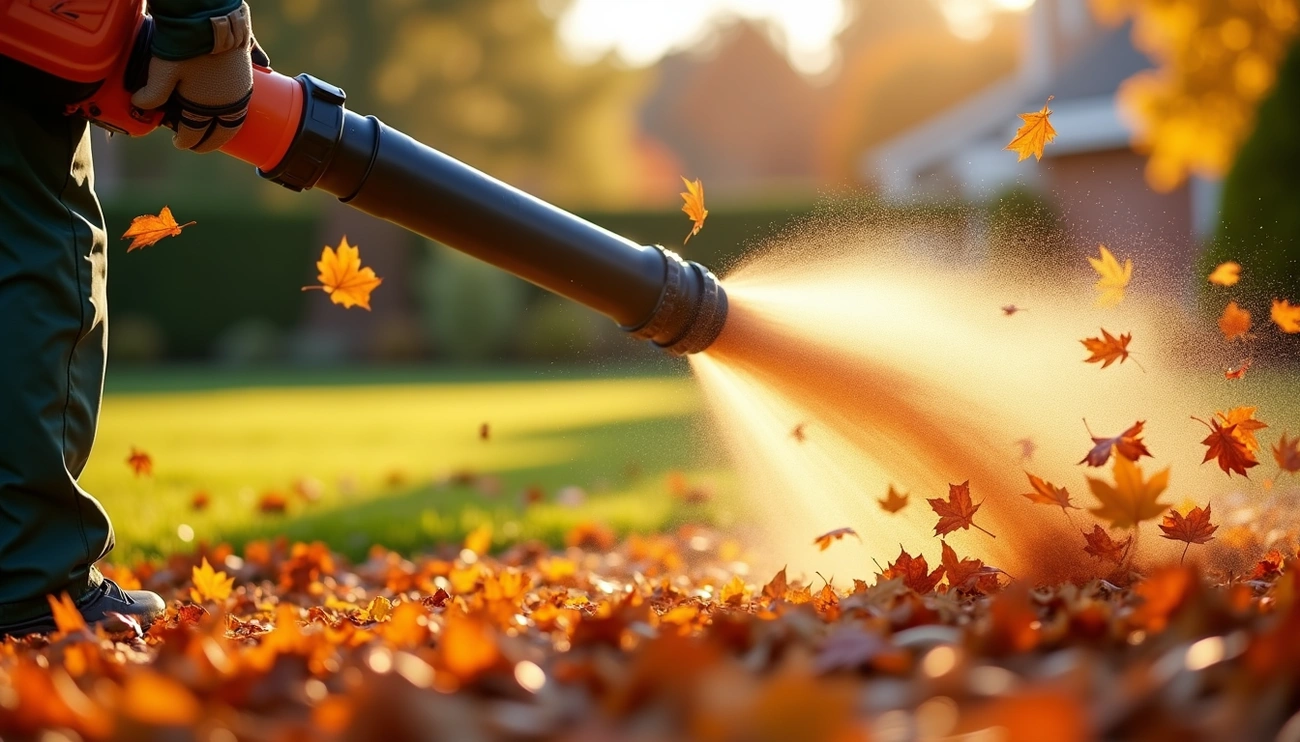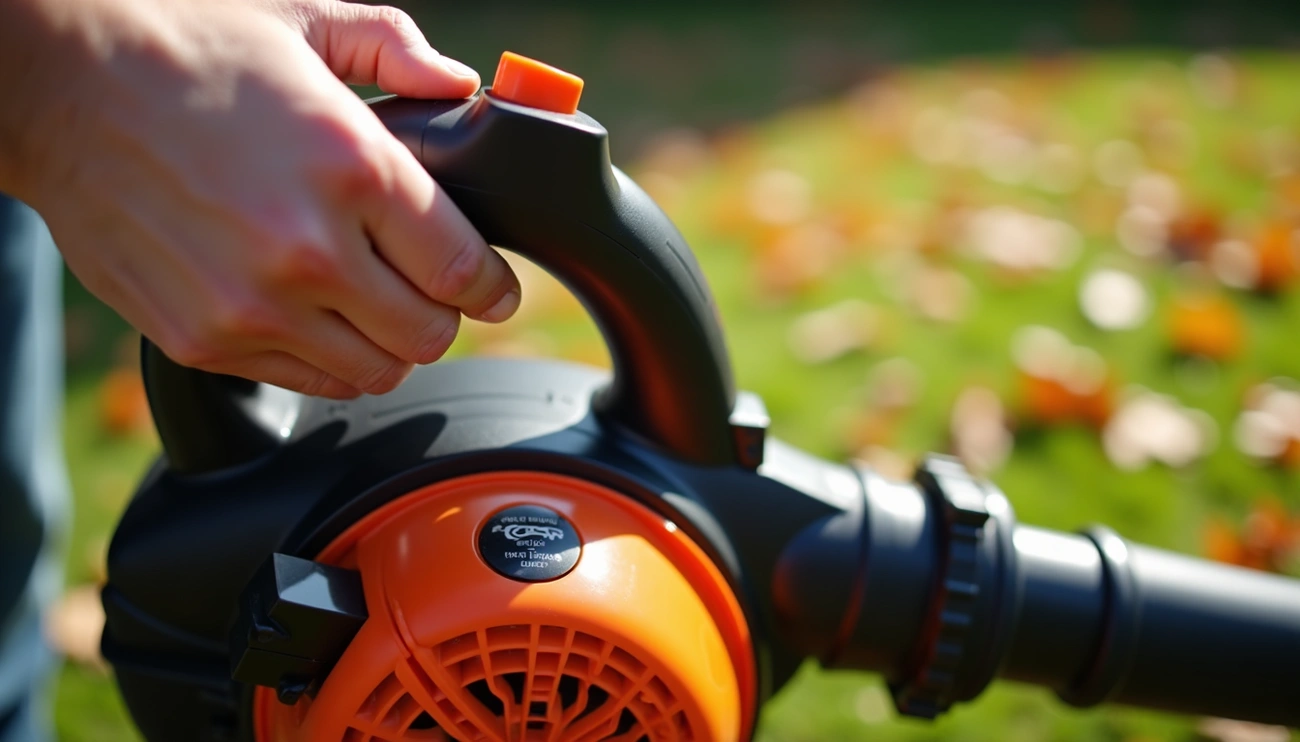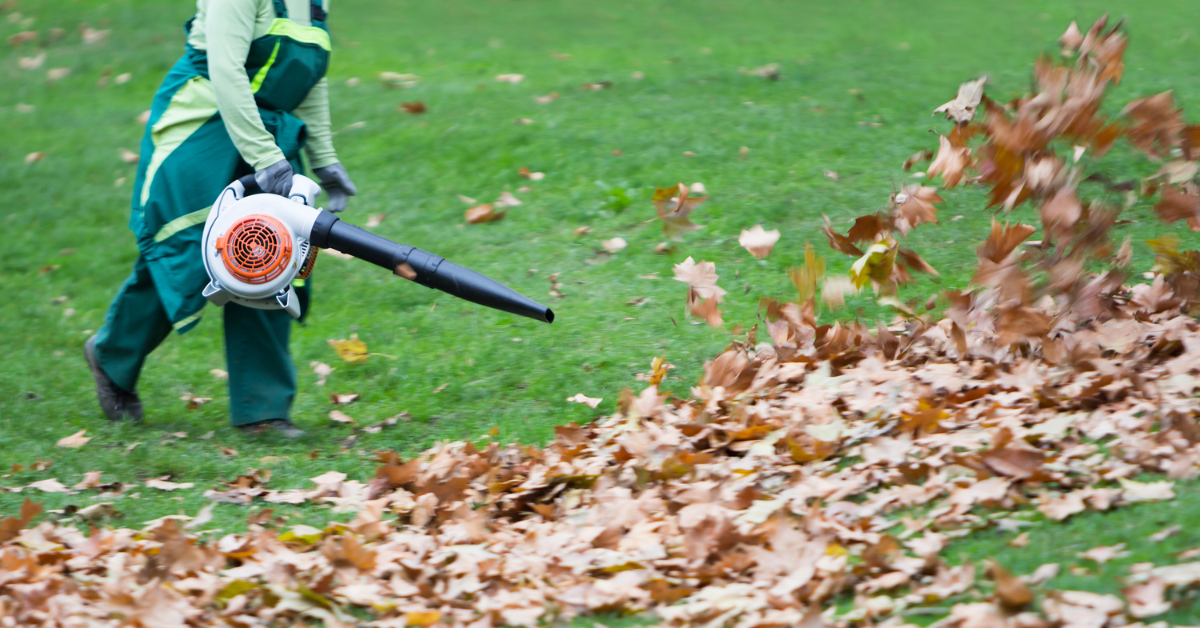
A good MPH for a leaf blower ranges from 150 to 200 MPH for most yard work. Light tasks work at around 100–150 MPH, while large yards and wet leaves need 200+ MPH. Higher MPH works best when balanced with strong CFM for effective debris removal.
What does MPH mean on a leaf blower?
MPH stands for Miles Per Hour on a leaf blower—a crucial measurement that indicates the speed of air coming out of the blower’s nozzle. Unlike other specifications, MPH specifically tells you how fast the air travels, which directly impacts how effectively your blower can tackle different types of yard debris.
How MPH is measured
Manufacturers measure MPH by calculating the velocity of air as it exits the leaf blower nozzle. This measurement is taken at the narrowest point of the nozzle where airspeed is typically at its maximum. The faster this air travels, the higher the MPH rating will be on the product specifications. A leaf blower’s MPH typically ranges from approximately 100 to over 200 MPH, depending on the model and intended use.
Why airspeed matters for performance
The airspeed of your leaf blower primarily determines its ability to dislodge and move different types of debris. For instance, when dealing with wet or stubborn leaves that stick to surfaces, a higher MPH provides the necessary force to break them loose.
MPH becomes especially important in specific situations:
- When removing wet or compacted leaves
- While cleaning corners, cracks, and edges
- For clearing debris stuck between pavers
- When working on small, targeted areas
Different yard tasks require different MPH levels:
- 100-150 MPH: Ideal for indoor use or gentle cleaning of delicate surfaces
- 150-200 MPH: Effective for regular yard maintenance and dry leaves
- 200+ MPH: Necessary for heavy-duty tasks like clearing wet leaves or working in windy conditions
MPH vs. nozzle design: what really affects speed
Interestingly, the nozzle design significantly influences your leaf blower’s actual performance. Despite what the specifications might say, nozzle shape and size can dramatically alter how the air flows:
- Flat nozzles increase air speed (MPH) but reduce overall air volume
- Round nozzles boost air volume (CFM) but lower the speed
- Narrow tubes enhance airspeed, while wider tubes move more air at once
Additionally, the relationship between nozzle design and MPH explains why two leaf blowers with identical MPH ratings might perform differently. Tube diameter plays a crucial role—narrower tubes naturally boost airspeed but may sacrifice the area covered. Furthermore, variable speed control allows you to adjust the airflow based on your specific task, giving you flexibility between precision and power.
How MPH compares to CFM in real use
Understanding the relationship between CFM and MPH helps you select a leaf blower that matches your specific needs. The two measurements work together but serve distinct purposes in real-world use.
What is CFM on a leaf blower?
CFM (Cubic Feet per Minute) measures the volume of air a leaf blower moves in one minute. Think of it as the quantity or flow rate of air exiting the nozzle. This measurement indicates how much debris you can move at once.
Different CFM ratings correspond to specific capabilities:
- Low CFM (100-300): Suitable for light tasks like cleaning small driveways or gardens
- Medium CFM (300-500): Effective for clearing dry leaves from average-sized yards
- High CFM (500+): Ideal for professional use, wet leaves, and large areas
Leaf blowers CFM vs MPH: key differences
The fundamental distinction between these measurements is straightforward: CFM represents air volume (how much air), whereas MPH indicates air speed (how fast the air travels). Consider this analogy—CFM works like the width of a broom pushing leaves, while MPH functions as the focused tip prying leaves loose.
In practical terms, these measurements affect performance differently:
- A blower with high CFM but low MPH creates a wide, gentle breeze—perfect for moving dry leaves across flat surfaces
- A blower with high MPH but low CFM produces a narrow, laser-like jet—excellent for blasting individual wet leaves but inefficient for large piles
When MPH matters more than CFM
High MPH becomes particularly valuable in several scenarios. First, when dealing with wet or stubborn debris that resists movement. Second, for precision tasks requiring focused airflow, such as cleaning between pavers or along garden edges.
Moreover, MPH proves essential when working on hard surfaces like driveways or sidewalks, where the concentrated force helps lift and push leaves more effectively. Finally, a leaf blower with high MPH excels at dislodging compacted debris or breaking apart clumps of wet material.
When CFM is more important than MPH
Conversely, high CFM dominates when clearing large areas or moving substantial volumes of material. If your property features many trees that shed abundantly, a high-CFM blower will collect leaves faster and more efficiently.
Additionally, CFM should be your priority when gathering leaves into piles or clearing open spaces like lawns. For instance, a blower with 600 CFM and 120 MPH moves a large volume of air at slower speed—ideal for sweeping leaves across expansive areas. During autumn, when dry leaves blanket your yard, high CFM helps you finish the job quickly.
What is a good MPH for different yard sizes?
Selecting the right MPH for your leaf blower depends largely on your yard size and the type of debris you regularly handle. Generally, the larger your property, the more airspeed you’ll need for efficient cleanup.
Small yards: 100–150 MPH
For compact spaces like patios, decks, and small yards, leaf blowers with 100-150 MPH typically provide sufficient power. This range works well for indoor use or cleaning delicate surfaces without causing damage. These models are ideal for townhomes or small lots where precision matters more than raw power.
Medium yards: 150–200 MPH
Average-sized properties benefit from medium-range models offering 150-200 MPH. This sweet spot effectively handles regular yard maintenance, including dry leaves and light debris. With this range, you’ll have enough force to clear stubborn spots without overkill for standard cleanup tasks.
Large yards: 200+ MPH
Properties exceeding half an acre typically require 200+ MPH for effective maintenance. These high-velocity blowers can handle heavy-duty tasks, clearing wet leaves and compacted debris more efficiently. For professional landscaping or properties over one acre, aim for around 250 MPH.
How debris type affects MPH needs
Essentially, what’s considered “good MPH” varies based on what you’re clearing:
- Dry leaves/grass: 100-130 MPH is sufficient
- Wet leaves/gravel: 130-160 MPH provides necessary force
- Commercial/heavy debris: 160-200+ MPH ensures thorough cleaning
In wet climates, prioritize higher MPH to handle moisture-heavy debris effectively.
How to choose the right MPH and CFM combo
Finding the perfect balance between airspeed and volume is crucial when selecting a leaf blower. Let’s explore how to match these specs to your specific yard needs.
What is a good CFM and MPH for a leaf blower?
For residential use, aim for at least 400 CFM with 90+ MPH as a baseline. Small yard owners can manage with 150-400 CFM, whereas medium-to-large properties typically require 400-700 CFM.
For most everyday applications, look for:
- Residential use: 300-500 CFM with 110-200 MPH
- Professional landscaping: 500+ CFM with 200+ MPH
Examples of balanced models
Different combinations serve distinct purposes:
- High MPH, Low CFM (250 CFM, 200 MPH): Creates a focused stream for dislodging wet leaves from corners or pavement
- High CFM, Low MPH (600 CFM, 120 MPH): Ideal for sweeping large volumes of dry leaves across open spaces
- High CFM, High MPH (700 CFM, 200+ MPH): The ultimate combination for both wet and dry debris in commercial settings
Tips for matching blower specs to your needs
Consider these factors before purchasing:
- Yard size: Larger properties need higher CFM/MPH combinations
- Debris type: Wet leaves require higher MPH; large volumes need higher CFM
- Frequency of use: Longer tasks benefit from backpack models despite higher weight
- Noise sensitivity: Gas blowers produce 80-90 decibels, while battery models operate at 60-70 decibels
Remember, manufacturer measurements aren’t standardized, so test the tool when possible or read user reviews before committing to a purchase.
Conclusion
Choosing a leaf blower with the right MPH requires understanding both your yard’s specific needs and how airspeed works alongside air volume. Throughout this guide, we’ve seen that residential users generally need 110-200 MPH, while professional applications might demand higher speeds. However, MPH alone doesn’t tell the complete story.
The perfect leaf blower combines appropriate MPH with suitable CFM ratings. Small yards can function well with 100-150 MPH and modest CFM, whereas larger properties benefit from 200+ MPH paired with higher air volume. Additionally, your typical debris type significantly influences your ideal specifications—wet leaves demand higher airspeeds compared to dry material.
Remember the practical distinctions between these measurements: MPH excels at precision tasks and dislodging stubborn debris, while CFM shines when clearing large areas quickly. Most homeowners will find their sweet spot with at least 400 CFM and 90+ MPH for effective yard maintenance.