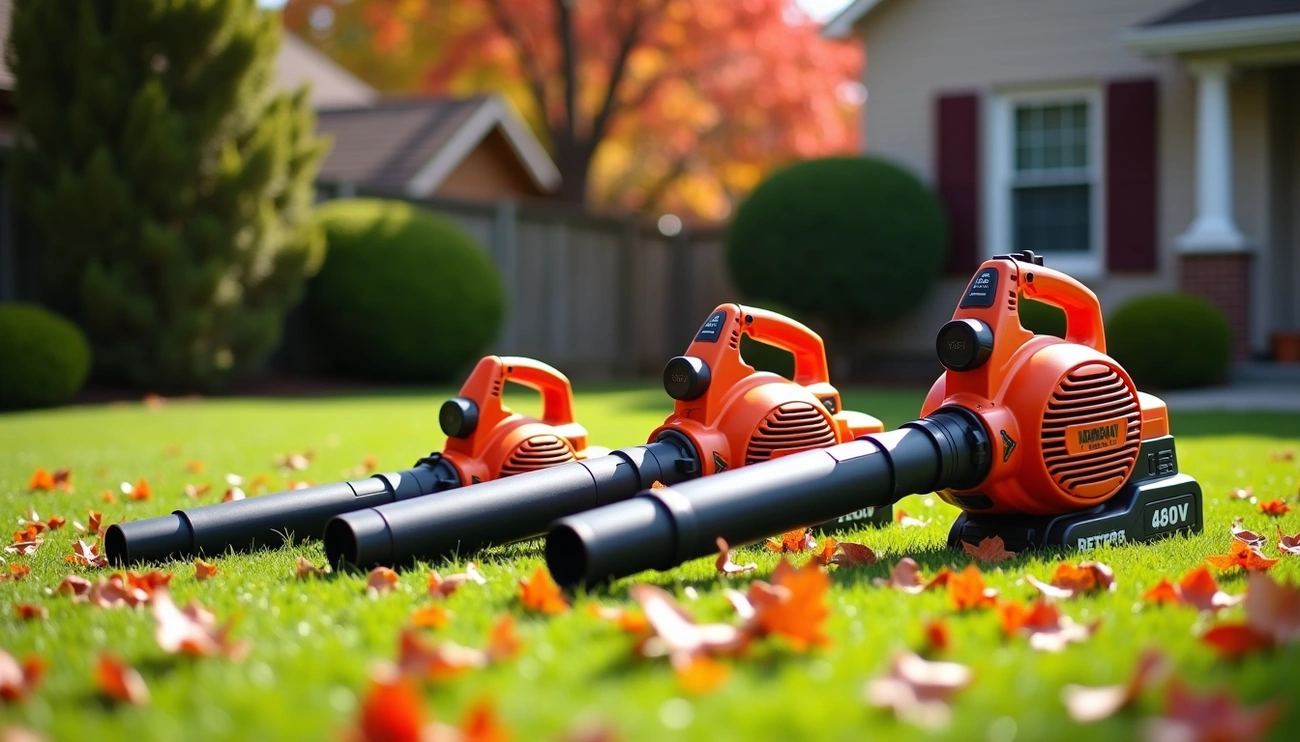
Choose a leaf blower voltage based on yard size and workload. Use 18V or 20V for small yards and light cleanup, 40V for medium yards and balanced power, and 60V or higher for large yards needing gas-like performance. Prioritize high CFM for volume and MPH for stubborn debris.
Who Actually Needs a Leaf Blower?
Before rushing to buy a battery-powered leaf blower, consider whether you actually need one. Not everyone does, and understanding when and why to use one can save you money and effort.
When a rake is enough
For many homeowners with small to medium yards, a traditional rake remains a practical option. Raking leaves offers several benefits that leaf blowers can’t match. It’s quiet, doesn’t disturb neighbours, and provides good exercise. Additionally, raking can be more effective for wet leaves, which blowers often struggle with.
If your yard is small, a rake is not only sufficient but often more sensible. As one comparison test showed, a person with a rake could be just as fast as someone using a leaf blower in certain scenarios. For those conscious of noise or early-morning yard work, rakes won’t upset neighbours regardless of when you use them.
Why leaf blowers are more than just for leaves
Despite their name, leaf blowers offer versatility that extends far beyond autumn cleanup. Modern cordless leaf blowers can:
- Clear snow (when light and powdery)
- Dry your car after washing.
- Cleaning gutters without a ladder is a struggle.
- Clear grass clippings from sidewalks and driveways
- Unclog dryer vents
- Clean car interiors
This versatility makes a battery leaf blower useful year-round, not just in the fall. The right voltage leaf blower can significantly reduce the time spent on various outdoor cleaning tasks. For those wondering what volt leaf blower to buy, consider these multiple uses when making your decision.
Local regulations to be aware of
Before purchasing, check your local regulations—many areas now restrict or ban certain types of leaf blowers. California has passed legislation (AB 1346) banning the sale of gas-powered leaf blowers starting July 1, 2024. Similarly, Washington, D.C., has prohibited the purchase of new gas leaf blowers.
Some cities have even stricter regulations. In Oakland, combustion-engine-powered leaf blowers are banned on both public and private property. Other municipalities restrict usage to specific days and times, with fines up to $500 for violations.
These regulations make battery-powered leaf blowers an increasingly practical choice, as they produce significantly less noise and zero emissions compared to gas models. When considering how many volts a leaf blower should have, these restrictions might influence your decision.
Types of Leaf Blowers and How They Differ
Leaf blowers come in various styles and power options, each designed for specific yard needs. Understanding these differences is crucial when deciding what volt leaf blower to buy.
Handheld vs backpack vs walk-behind
Handheld leaf blowers are the most common type, typically weighing 8-10 pounds and designed for one-handed operation. They’re perfect for small to medium yards and quick cleanup jobs. Most models cost between $50 and $350, depending on the power source.
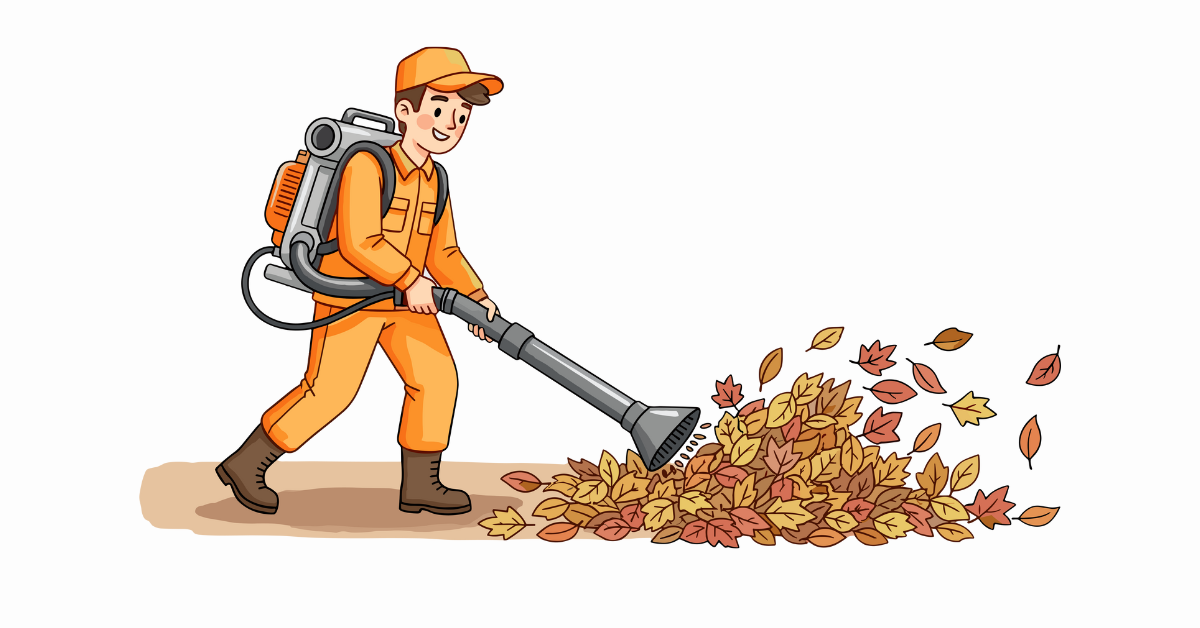
Backpack blowers distribute weight across your shoulders rather than straining your arms. They’re generally more powerful than handhelds, weighing about 17 pounds or more. Though pricier ($280-$550), they’re ideal for larger properties and longer jobs.
For serious landscapers, walk-behind blowers offer maximum power for large areas. These wheeled units provide tremendous airflow (up to 2,530 CFM) but are bulky, heavy (100+ pounds), and expensive ($350-$975).
Corded vs cordless vs gas-powered
Corded electric blowers provide consistent power without battery limitations. They’re lightweight, affordable ($50-$100), and maintenance-free. However, they restrict movement to within 100 feet of an outlet.
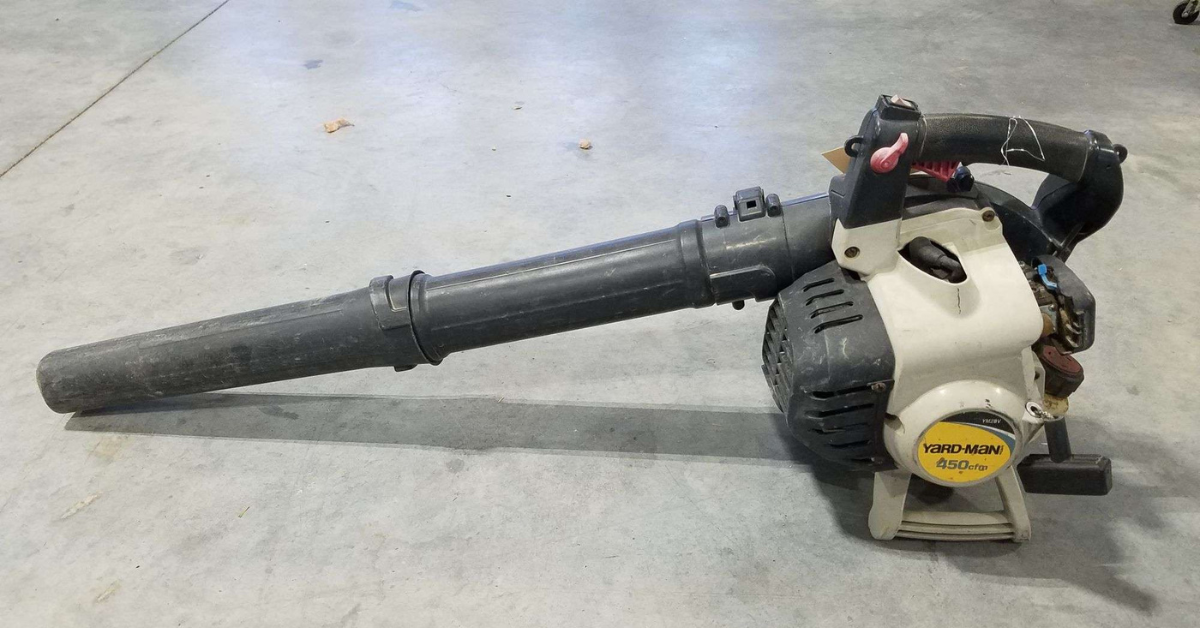
Gas blowers deliver unlimited runtime and maximum mobility for large properties. Nevertheless, they require maintenance, produce emissions, and generate significant noise.
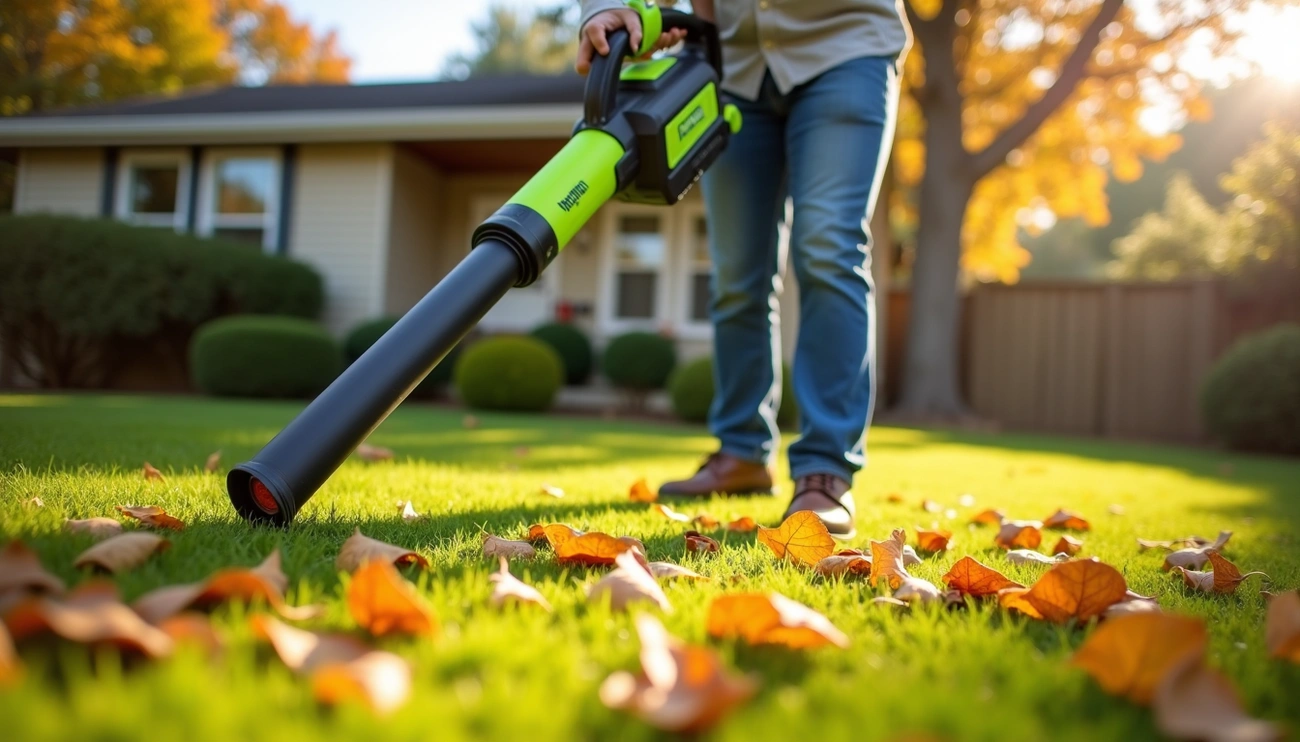
Cordless (battery-powered) models offer portability without the drawbacks of gas engines. Modern versions can match gas models’ power output while producing zero emissions. Their main limitations are runtime (typically 20-30 minutes) and cost ($90-$650).
What is a battery-powered leaf blower?
A battery-powered leaf blower runs on rechargeable lithium-ion batteries instead of gas or cords. These cordless leaf blowers offer excellent mobility, push-button starting, and no exhaust emissions.
Battery technology has improved dramatically, with voltage options ranging from 18V to 80V. Higher voltage generally means more power, though runtime varies based on battery capacity (measured in amp-hours). Many models allow battery sharing across tool platforms, making them more cost-effective for homeowners who already own compatible tools.
For those wondering how many volts a leaf blower should have, matching voltage to yard size and debris type is essential—something we’ll explore further in upcoming sections.
Understanding Leaf Blower Voltage Options
Voltage is the key factor determining a cordless leaf blower’s power and runtime. As you consider what volt leaf blower to buy, understanding the different voltage options will help you make the right choice for your specific needs.
18V: Best for light tasks and small yards
Entry-level 18-20V battery leaf blowers excel at quick clean-ups on patios, driveways, and small gardens. These lightweight models typically run 15-30 minutes on a 4Ah battery. Most 18V blowers use the same batteries as household power tools, making them cost-effective if you already own compatible tools.
40V: A balanced choice for most homeowners
For medium-sized gardens (up to 0.25 acres), 40V cordless leaf blowers offer an excellent balance between power and weight. These models handle both hard surfaces and lawns effectively, providing sufficient runtime for most domestic gardening needs.
60V: For larger yards and heavier debris
Owners of larger properties (0.25-0.5 acres) with significant leaf coverage benefit from 60V models. These battery-powered leaf blowers deliver substantial power for moving large volumes of leaves with extended runtimes of 30-45 minutes per charge.
80V and above: When you need pro-level power
Professional-grade 80V+ blowers handle large properties (0.5+ acres) with ease. These models feature impressive specs—some delivering up to 800 CFM of air volume—and can run for approximately 230 minutes on low settings.
What voltage is ideal for a leaf blower?
The ideal voltage depends on your specific requirements. Consider your garden size, frequency of use, and whether you already own compatible batteries when deciding what volt leaf blower to buy.
How to Choose the Right Voltage for Your Yard
Selecting the perfect voltage for your cordless leaf blower involves balancing several factors. Let me guide you through making the right choice.
Match voltage to yard size
Small yards (under ¼ acre) typically do well with 20V-40V leaf blowers that can handle light debris. Medium yards benefit from 40V-60V models, which Greenworks calls their “sweet spot” for homeowners seeking a balance between power and affordability. For large properties exceeding ½ acre, opt for 80V+ models designed for tough jobs and extended use.
Consider battery life and run time.
Battery duration varies dramatically across voltage platforms. Premium models like the Husqvarna 35iB deliver an impressive 37+ minutes of runtime on high, whereas others might provide only 11-14 minutes at maximum power. For most homeowners, a leaf blower with 20-40 minutes of runtime is enough for a typical yard cleanup.
Think about weight and ease of use.
Remember that higher voltage typically means heavier equipment. While standard handheld units weigh 4-8 pounds, some powerful models, like Ego’s blowers, can weigh approximately 10 pounds. After half an hour of continuous use, a lighter model becomes increasingly valuable.
Check compatibility with other tools.
Purchasing a leaf blower that uses the same batteries as your existing tools saves substantial money over time. Most manufacturers design their batteries to work across their entire tool line. As Consumer Reports suggests, “buying lawn tools from the same brand allows you to use identical batteries and chargers”.
What is the best voltage for a leaf blower?
Ultimately, 40V provides excellent balance for most homeowners, yet 60V has become the most popular choice nationwide. The ideal voltage depends entirely on your specific yard requirements and existing tool investments.
Conclusion
Choosing the right volt leaf blower ultimately comes down to your specific yard size and cleaning needs. Throughout our testing, we found that battery technology has truly transformed these tools from niche products into legitimate alternatives to gas models.
Gone are the days when cordless meant underpowered. Today’s battery leaf blowers deliver impressive performance without the noise, emissions, and maintenance headaches of gas engines.
First and foremost, assess your property size honestly. Small yard owners will find 18-20V models perfectly adequate for quick cleanups, while medium yards benefit from the balanced 40V options. Larger properties with heavy leaf coverage require the additional power of 60V models, and professional-grade work demands 80V or higher.