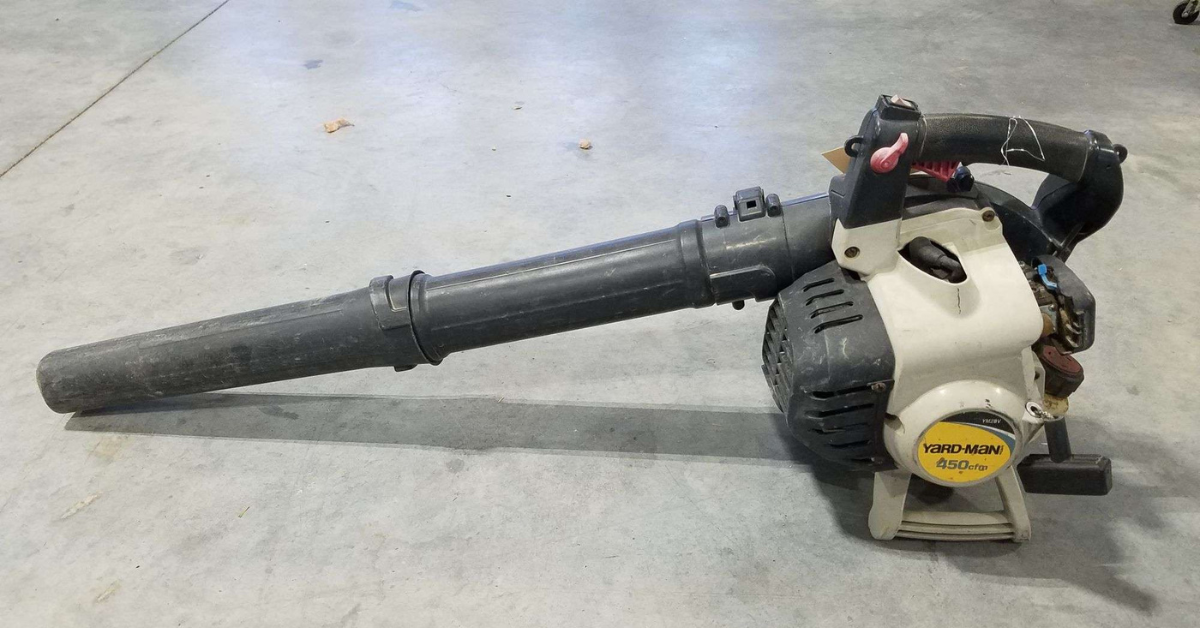
A Yard Man leaf blower won’t start due to old fuel, a clogged carburetor, a fouled spark plug, or a blocked air filter, especially after storage. Drain stale gas and refill with fresh fuel, clean or replace the spark plug, clean the air filter, and clean or rebuild the carburetor to restore proper fuel-air mixture.
Check the Fuel System
The fuel system is often the primary culprit when your Yard Man leaf blower refuses to start. Understanding and addressing these issues can save you time and money on unnecessary repairs.
Old or stale fuel in the tank
If your leaf blower has been sitting unused for weeks or months, the first step is to completely drain the old fuel.
Always use fresh fuel mixed with the correct oil ratio as specified by the manufacturer. Additionally, for gas-powered leaf blowers, avoid fuel with ethanol content above 10%, since higher concentrations can damage rubber gaskets and aluminum components.
To prevent future starting problems, empty the tank before storing your blower for extended periods. Furthermore, adding a fuel stabilizer helps preserve fuel quality during storage.
Clogged fuel filter
Even after replacing old fuel, your Yard Man leaf blower might still struggle to start due to a contaminated fuel filter. The sticky residue from deteriorated fuel coats the tiny filter pores, restricting fuel flow to the engine.
Signs of a clogged filter include the engine starting briefly before dying or running rough with occasional sputtering. Simply draining the stale fuel isn’t sufficient—the filter remains coated with debris and needs to be replaced.
As a preventative measure, inspect your fuel filter regularly and replace it annually. This inexpensive maintenance step helps ensure consistent fuel flow to the carburetor.
Blocked or dirty carburetor
The carburetor mixes air and fuel in proper proportions for combustion. However, when old fuel sits in the system, it leaves behind sticky deposits that block the tiny jets and passages within the carburetor.
If your Yard Man leaf blower only runs with starter fluid or won’t start at all, suspect carburetor issues. Initially, try cleaning it with carburetor cleaner, which might dissolve minor blockages.
For more severe cases where cleaning proves ineffective, you’ll need to either rebuild or replace the entire carburetor. While this sounds intimidating, many homeowners successfully complete this repair with basic tools and patience.
Inspect the Ignition Components
After ruling out fuel system problems, the ignition components are your next area to investigate. These parts provide the spark needed to ignite the fuel and power your leaf blower.
Test the spark plug
The spark plug is often the culprit when your Yard Man leaf blower won’t start. Look for signs of wear, carbon buildup, or damage on the electrode. A damaged porcelain insulator, burned electrode, or heavy carbon deposits all indicate it’s time for replacement.
To test your spark plug:
- Disconnect the spark plug wire.
- Remove the plug using a spark plug wrench.
- Inspect for damage or fouling (blackened tip)
- Use a spark plug tester to check for proper function.
When testing, you should see a strong blue spark between the tester’s terminals while cranking the engine. No spark or a weak yellow one suggests a defective plug.
Moreover, check the electrode spacing—incorrect spacing can prevent proper ignition. The required gap varies by model, so consult your manual for specifications.
Check the ignition coil.
If your spark plug tests fine but the engine still won’t start, examine the ignition coil. This component transforms low voltage into thousands of volts needed to create a spark.
To test the ignition coil:
- Disconnect it from all wiring harnesses.
- Use a coil tester to check the output.
- Ensure proper air gap between coil and flywheel (typically .006-.014″)
Weak output indicates a faulty coil requiring replacement. Sometimes, the problem lies with weakened flywheel magnets that don’t properly pulse the coil. Additionally, check if the kill wire is accidentally grounding the system.
Look for signs of flooding.
Flooding occurs when excess fuel enters the combustion chamber. A wet spark plug is the primary indicator that your Yard Man leaf blower is flooded.
To fix a flooded engine:
- Remove and dry the spark plug.
- Set the on/off switch to OFF.
- Turn the blower upside down with the spark plug hole facing downward.
- Pull the starter cord repeatedly (about 20 times) to expel excess fuel.
- Reinstall the dry plug and start with the choke open, even if cold.
Persistent flooding might indicate underlying carburetor issues that require adjustment.
Examine the Air and Exhaust Flow
Proper airflow is essential for your Yard Man leaf blower’s operation. If the fuel and ignition systems check out fine, airflow restrictions might be why your leaf blower won’t start.
Clogged air filter
The air filter prevents dust and debris from entering the engine. Consequently, a clogged filter restricts airflow, causing the engine to receive too much fuel and not enough air. This imbalance often prevents starting or causes rough running.
To check your air filter:
- Locate the filter housing (typically on the side or rear)
- Remove the cover and extract the filter.
- Inspect for dirt buildup or damage.
- Clean foam filters with warm, soapy water or replace paper filters
A clean filter ensures proper airflow and engine efficiency. First thing to remember: always let foam filters dry completely before reinstallation.
Dirty or blocked spark arrestor
The spark arrestor is a small screen that prevents the engine from emitting sparks. Over time, this mesh becomes clogged with soot and carbon deposits. As a result, exhaust gases can’t escape properly, preventing the engine from starting.
To clean the spark arrestor:
- Remove it from the muffler exhaust port.
- Use a wire brush to scrub away carbon deposits.
- Alternatively, carefully heat it with a propane torch until it glows red.
Regular maintenance of these components ensures optimal performance and prevents starting issues.
Starter Mechanism Issues
When your Yard Man leaf blower refuses to start despite good fuel, ignition, and airflow, mechanical starter issues are often to blame.
Broken recoil rope or spring
The rewind spring recoils the starter rope onto a pulley after it is pulled. If broken, the rope won’t retract, preventing engine ignition.
Examine the starter assembly for visible damage or a hanging rope.
Replacing the spring requires careful handling as it stores significant tension. Indeed, safety glasses are essential when working with these components.
Faulty recoil starter assembly
The recoil starter engages the crankshaft to turn over the engine. When functioning correctly, tabs extending from the pulley and cam grab the engine hub during pulling.
A defective assembly prevents this crucial connection. Surprisingly, replacing the entire unit is often easier than repairing individual components.
The rewind pulley is not functioning.
The pulley winds the starter rope when not in use. If it’s broken or stuck, it cannot rewind properly. Check if the pulley moves freely without binding against the housing.
Alternatively, inspect for proper spring tension and alignment. Incorrect orientation of the starter assembly can cause it to jam against the starter pawls.
Thoroughly examine the pulley for cracks or excessive wear that might indicate replacement is necessary.
Conclusion
Dealing with a Yard Man leaf blower that refuses to start certainly feels frustrating, especially when fall leaves begin piling up. However, most starting issues stem from relatively simple problems you can fix at home. Throughout this guide, we explored the most common culprits – from stale fuel and clogged filters to spark plug issues and mechanical failures.
The first thing to remember is that regular maintenance prevents many of these problems. Therefore, emptying your fuel tank before long-term storage, replacing filters annually, and checking spark plugs periodically will save you headaches down the road. Additionally, using fresh fuel with the proper oil mixture significantly extends your leaf blower’s lifespan.
Consequently, before rushing to purchase a replacement blower, work through the troubleshooting steps outlined above. Most starting issues can be resolved with basic tools and minimal technical knowledge. Whether your machine needs a simple carburetor cleaning or a new spark plug, these repairs typically cost much less than buying new equipment.